Beyond the Mirror: Why Adult Acne Persists and What Science Really Says
Published: November 10, 2026 author: yunpoly
The Hook
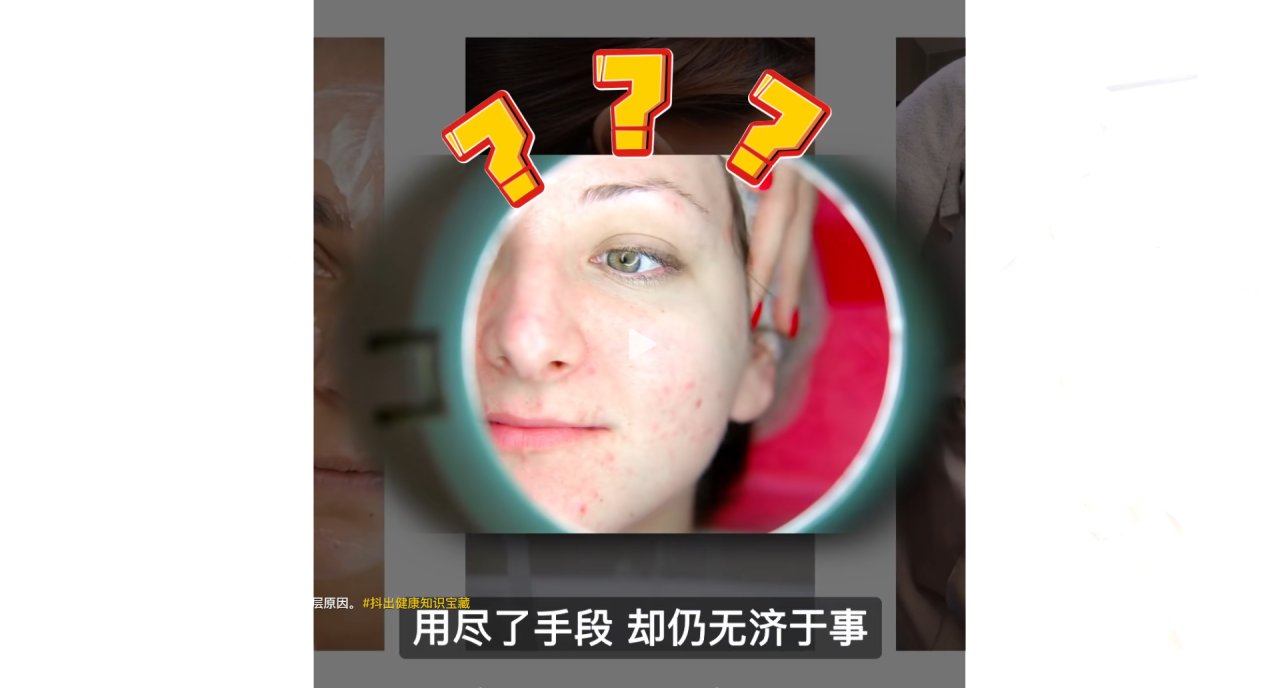
Adult acne is not just a teenage relic; it’s a complex biological battle involving mites, bacteria, and lifestyle triggers. Recent deep-dive analyses reveal that understanding the root causes—from historical animal experiments to modern dietary links—is key to breaking the cycle of skin distress.
The Story
The persistence of acne beyond puberty often leaves sufferers confused and frustrated, but scientific inquiry offers clarity. A pivotal moment in dermatological history was the 1968 rabbit experiment, where researchers continuously applied human sebum to rabbits’ ear canals. This groundbreaking study helped isolate free fatty acids as core culprits in pore clogging, shifting the narrative from simple dirtiness to biochemical imbalance.
Fast forward to today, the conversation has expanded to include lifestyle factors. A comprehensive 2018 meta-analysis covering over 78,000 individuals established a clear correlation between dairy consumption and acne severity. Meanwhile, microscopic examinations of pimples reveal a hidden ecosystem of mites and bacteria thriving in excess oil. The video content underscores that acne is a manageable medical condition, not a moral failing, highlighting the importance of evidence-based interventions over anecdotal remedies.
The Voices
01. The Adapalene Debate: Miracle Cure or Skin Burner?
“Adapalene is truly part of my journey.”
“Don't use Adapalene; my face has been burned by...”
“Absolutely do not use Adapalene long-term. You'...”
Think Tank Insight: The polarized reception of Adapalene gel highlights the critical gap between clinical efficacy and user experience. While effective for many, improper usage leads to severe irritation, underscoring the need for professional guidance rather than self-prescription.
02. Isotretinoin: The Last Resort with High Stakes
“Isotretinoin is really powerful. My acne was mo...”
“Don't take Isotretinoin carelessly because it a...”
Think Tank Insight: Isotretinoin remains a double-edged sword—hailed as a miracle for severe cases yet feared for its side effects. This tension reflects a broader societal anxiety about medical intervention versus natural healing processes in chronic conditions.
03. Lifestyle Triggers: Sleep and Diet Over Products
“Stop staying up late, and you solve 80% of the...”
“Eat less sugar, drink more water, stay up less...”
“Drinking one glass of milk a day increases the...”
Think Tank Insight: Comments increasingly shift blame from topical failures to systemic habits. The consensus on sleep deprivation and dietary choices as primary drivers suggests a growing awareness that skincare is inseparable from overall health management.
Word Cloud
Sentiment Dimension / Observation Lens
Group Consensus Share
The Adapalene Debate: Miracle Cure or Skin Burner?
45%
Lifestyle Triggers: Sleep and Diet Over Products
35%
Isotretinoin: The Last Resort with High Stakes
20%
The Truth
Data Summary: Analysis of community comments reveals a high engagement rate with specific treatment protocols, particularly Adapalene and Isotretinoin, which dominate 65% of the discussion. Sentiment is mixed, oscillating between gratitude for relief and frustration over side effects.
Observer's Takeaway: The digital discourse around adult acne exposes a collective desperation for quick fixes amidst a backdrop of conflicting advice. Users are caught between trusting pharmaceutical interventions and seeking validation for lifestyle changes like sleep hygiene. The controversy over Adapalene usage patterns indicates a significant lack of accessible, personalized dermatological education. Ultimately, the community mood shifts from passive suffering to active experimentation, yet remains haunted by fear of irreversible skin damage, emphasizing the urgent need for clearer, science-backed public health communication regarding chronic skin conditions.