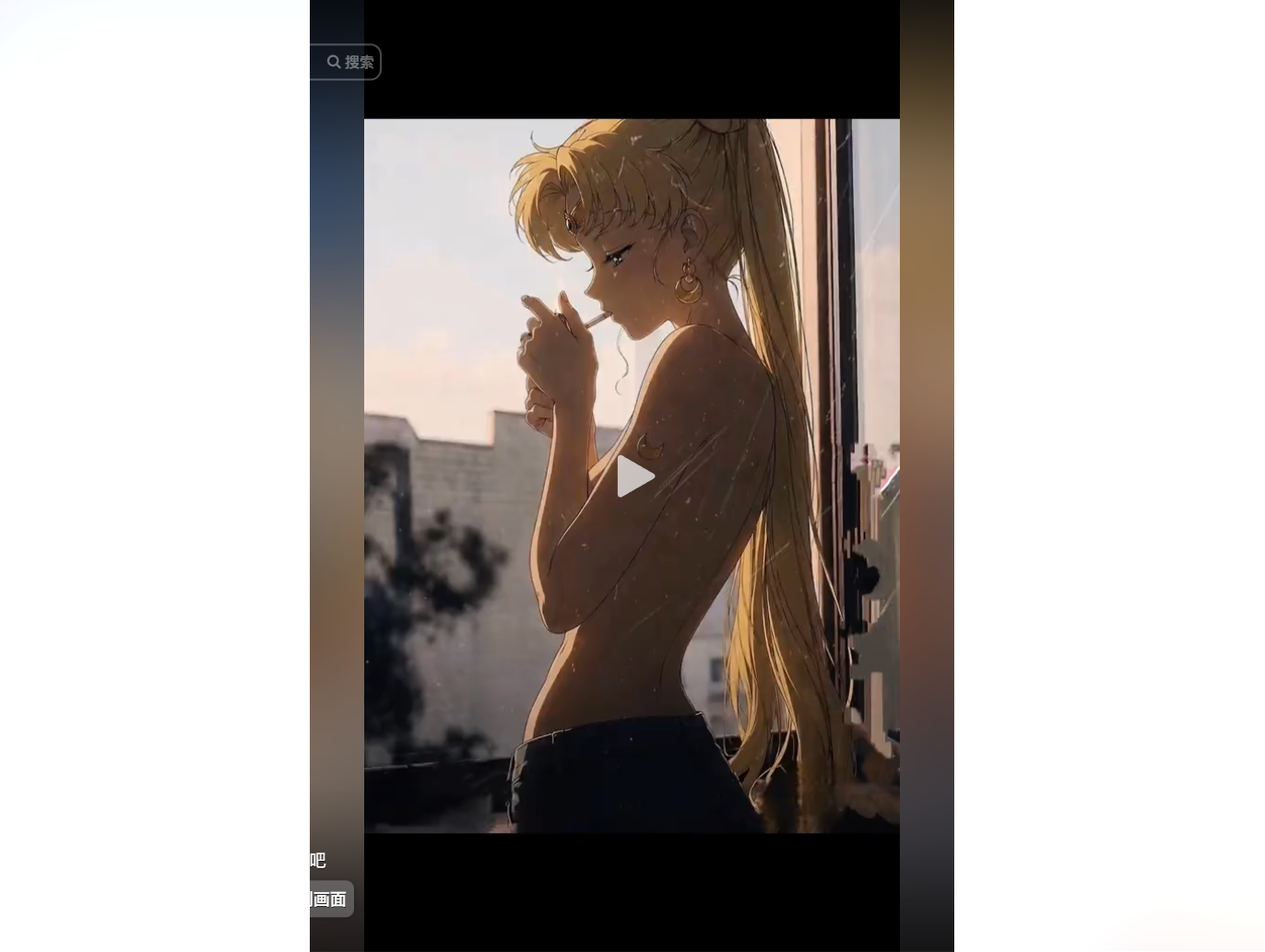
The Hook
AI technology has resurrected Sailor Moon not as a teenage idol, but as a symbol of middle-aged rebellion. This viral fusion of nostalgia and digital art empowers a generation to reclaim their identity, transforming childhood memories into a bold declaration of enduring selfhood and coolness.
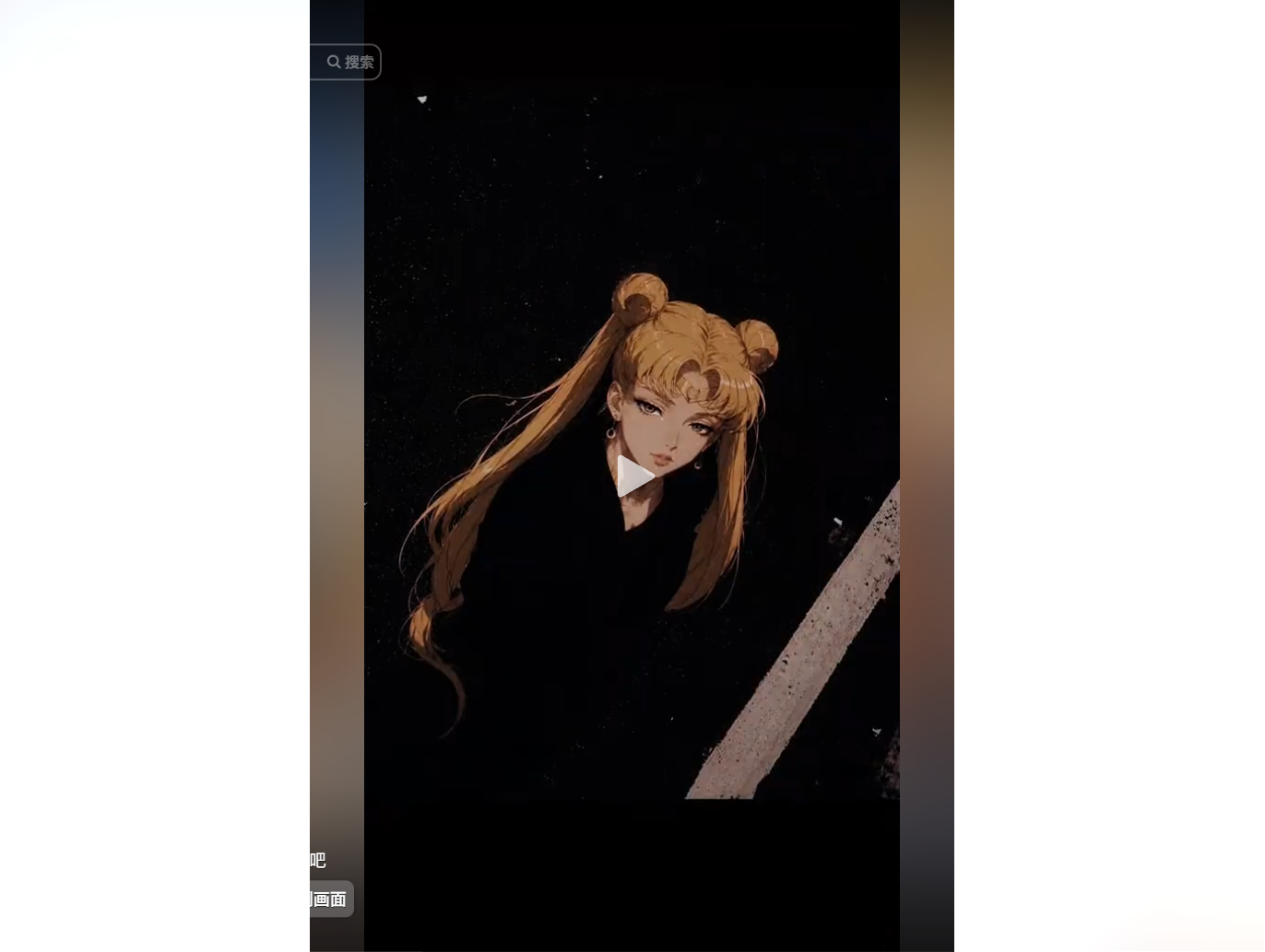
The Story
The video reimagines the iconic Sailor Moon through a lens of mature defiance, utilizing pulsating electronic music to synchronize with transformation sequences that bridge retro anime aesthetics with modern cyberpunk vibes. This is not merely a visual remix; it is an emotional intervention for the post-80s demographic. By depicting Usagi Tsukino as a confident, rebellious adult, the content validates the complex reality of aging fans who refuse to abandon their inner spark. The rhythmic editing mirrors the heartbeat of a generation navigating midlife transitions, turning passive nostalgia into active self-expression. Viewers are not just watching a cartoon; they are witnessing a digital mirror reflecting their own resilience, proving that the "magical girl" spirit evolves rather than expires.
The Voices
01. Digital Communal Rituals
"Here you go, sis, no need to thank me"
"Beauties, grab your pics!"
"Pics provided!!!"
Think Tank Insight: The comment section functions less as a feedback loop and more as a decentralized resource hub. This altruistic sharing behavior signifies a shift from passive consumption to active community stewardship, where digital assets serve as social currency that reinforces sisterhood and collective belonging among female users navigating shared cultural milestones.
02. Identity Projection and Self-Acceptance
"This one is me [facepalm]"
"This is what a 40-year-old's figure should look..."
"My self-portrait looks like this [lying flat]"
Think Tank Insight: Audiences utilize AI-generated imagery as avatars for psychological projection. By mapping their current selves onto idealized characters, users negotiate the tension between aging realities and internal youthfulness. This represents a therapeutic form of digital identity reconstruction, allowing middle-aged women to visually articulate confidence and accept their evolving physical narratives without shame.