The Art of the 'Jiangnan' Glow: Why Digital Beauty Tutorials Are Becoming Lifelines
Published: November 11, 2026 author: yunpoly
The Hook
A five-minute makeup tutorial featuring a soft, sweet aesthetic has captured thousands of hearts. But beyond the product links lies a deeper story about digital intimacy, beauty anxiety, and the communal desire to master the art of self-presentation in an image-driven world.
The Story
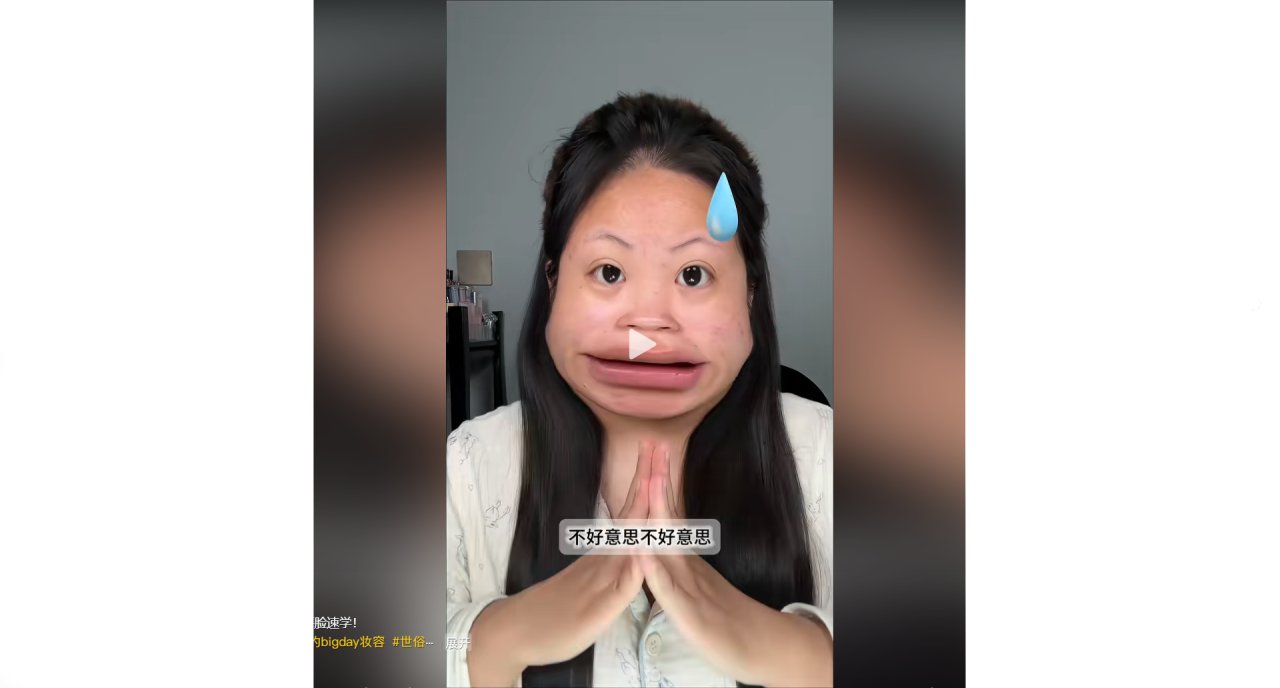
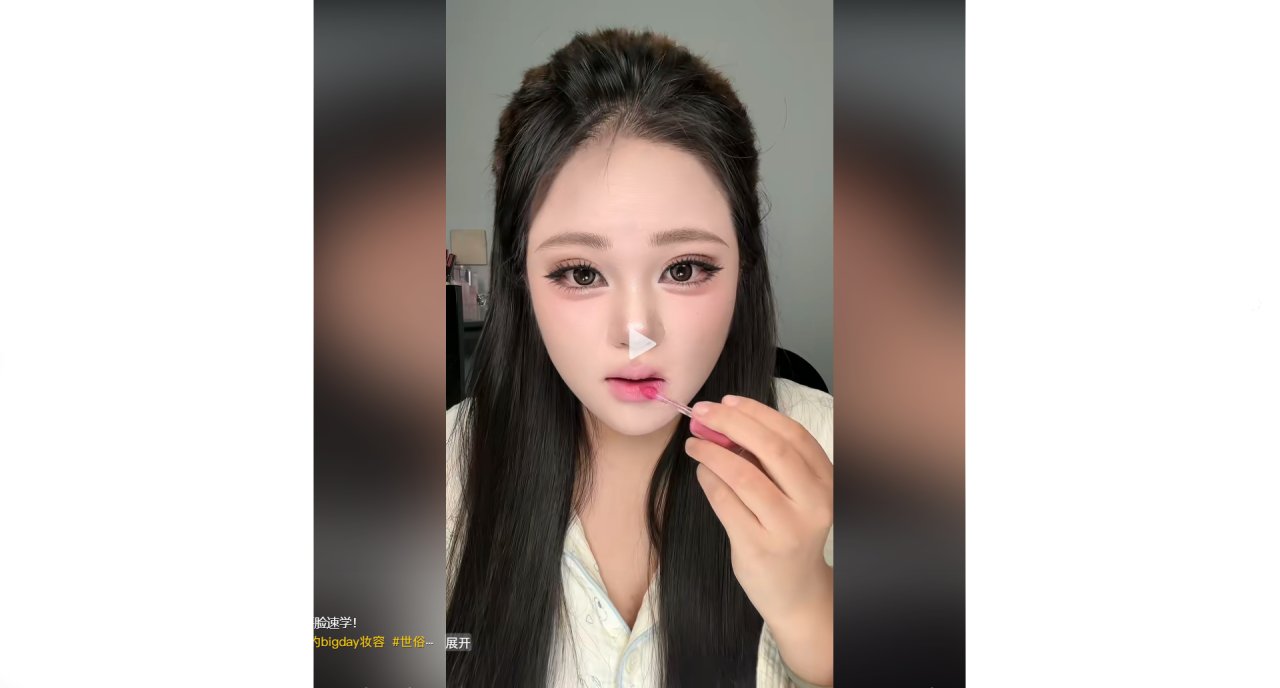
The video presents a close-up, intimate view of a young woman demonstrating a "secular" or everyday makeup look, often described as having a "Jiangnan beauty" charm—soft, delicate, and effortlessly pretty. With her dark hair pulled back and a neutral background lit by a ring light, she applies lip gloss with focused precision. The visual language is gentle: pink blush, defined eyes, and a dewy complexion that suggests health rather than heavy coverage.
This isn't just a demonstration; it's a ritual. The creator’s calm demeanor and the detailed breakdown of techniques for flat faces and subtle features create a safe space for viewers who feel overwhelmed by complex beauty standards. The interface hints at an AI-assisted editing process, blurring the line between human skill and digital enhancement, yet the emotional core remains human: the desire to be seen, appreciated, and confident. The high engagement metrics—thousands of likes and saves—reflect a community hungry not just for products, but for reassurance that they can achieve this idealized version of themselves.
The Voices
01. The Product Hunt as Community Bonding
“Babe, could I please get the links for the full...?”
“Which contour stick is it!!!”
“Is the full-face concealer also from Flower Kno...?”
Think Tank Insight: The relentless quest for product links transforms the comment section into a collaborative marketplace. This behavior signals that viewers view these tutorials less as entertainment and more as practical toolkits, where sharing specific brand names becomes a form of social currency and mutual aid among beauty enthusiasts.
02. Vulnerability and the Anxiety of Imperfection
“I have inner double eyelids and small eyes, so ...”
“No matter how hard I try to learn eyeliner, I c...”
“My eyelids have no strength. After applying it ...”
Think Tank Insight: These confessions reveal a profound insecurity about facial structure and manual dexterity. The tutorial acts as a therapeutic intervention, offering hope to those who feel excluded by mainstream beauty norms. The shared vulnerability creates a supportive ecosystem where admitting failure is the first step toward collective improvement.
03. The Illusion of Effortless Perfection
“Don't be anxious, babe. I edited the photo.”
“Disguise art!”
“Got it. Makeup has no technique; it's all about...”
Think Tank Insight: Acknowledgments of editing and digital manipulation challenge the authenticity of the "natural" look. This theme highlights a growing awareness that modern beauty is a hybrid of physical application and post-production. It sparks debate on whether we are learning makeup skills or simply learning how to curate a digital persona.
Word Cloud
Sentiment Dimension / Observation Lens
Group Consensus Share
Product Acquisition & Utility
45%
Personal Insecurity & Aspiration
35%
Digital Authenticity & Skepticism
20%
The Truth
Data Summary: The comment data reveals a dominant focus on utility (90% relevance to product inquiries) intertwined with significant emotional disclosure regarding physical insecurities (70-80% relevance to technique struggles).
Observer's Takeaway: The overwhelming response to this simple makeup tutorial underscores a societal shift where beauty content serves as both education and emotional support. Audiences are not merely consumers; they are participants in a collective project of self-improvement. The mix of eager product hunting and vulnerable confession indicates that while users crave the tools to change their appearance, they also seek validation that their efforts, even if digitally enhanced, are worthwhile. This phenomenon reflects a deep-seated need for control over one's public image in an era where visual identity is paramount.