The Paradox of Comfort: Why Losing a $5 Umbrella Feels Like a Crisis
Published: November 11, 2026 author: yunpoly
The Hook
A viral video captures the raw emotion of a student crying over a lost umbrella, sparking a massive online debate. It reveals how modern anxiety often masks itself as trivial mishaps, triggering deep reflections on security, consumerism, and self-worth.
The Story
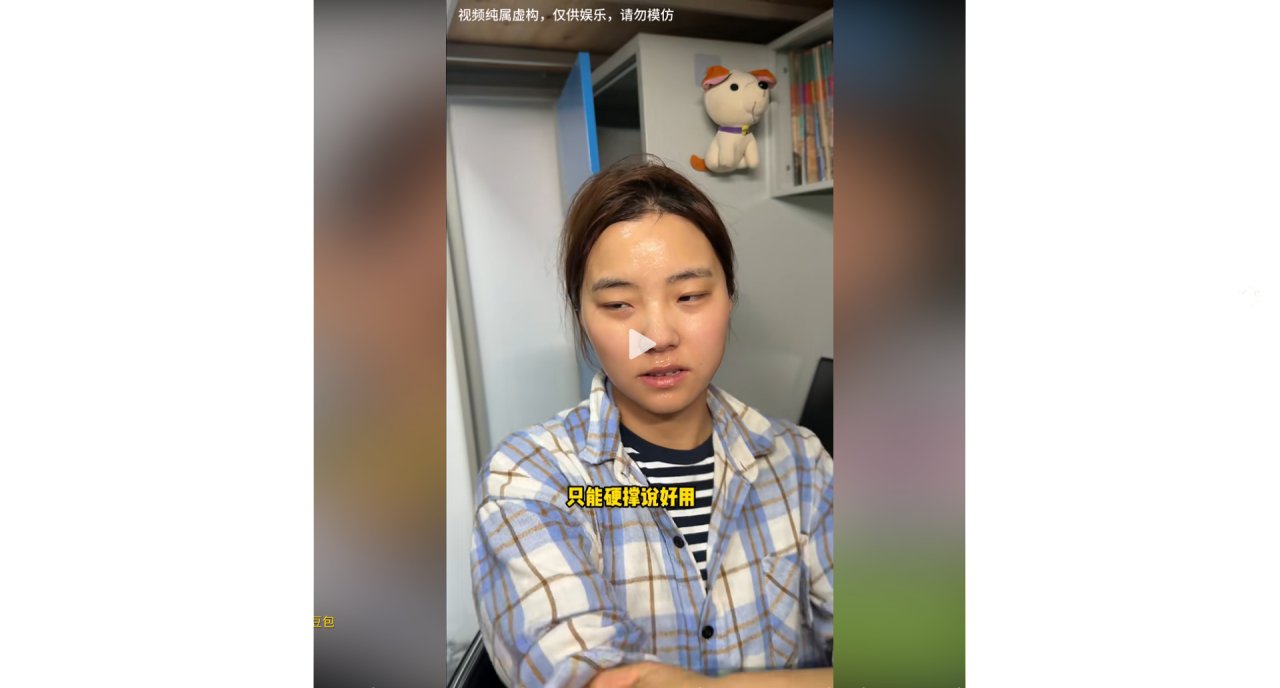
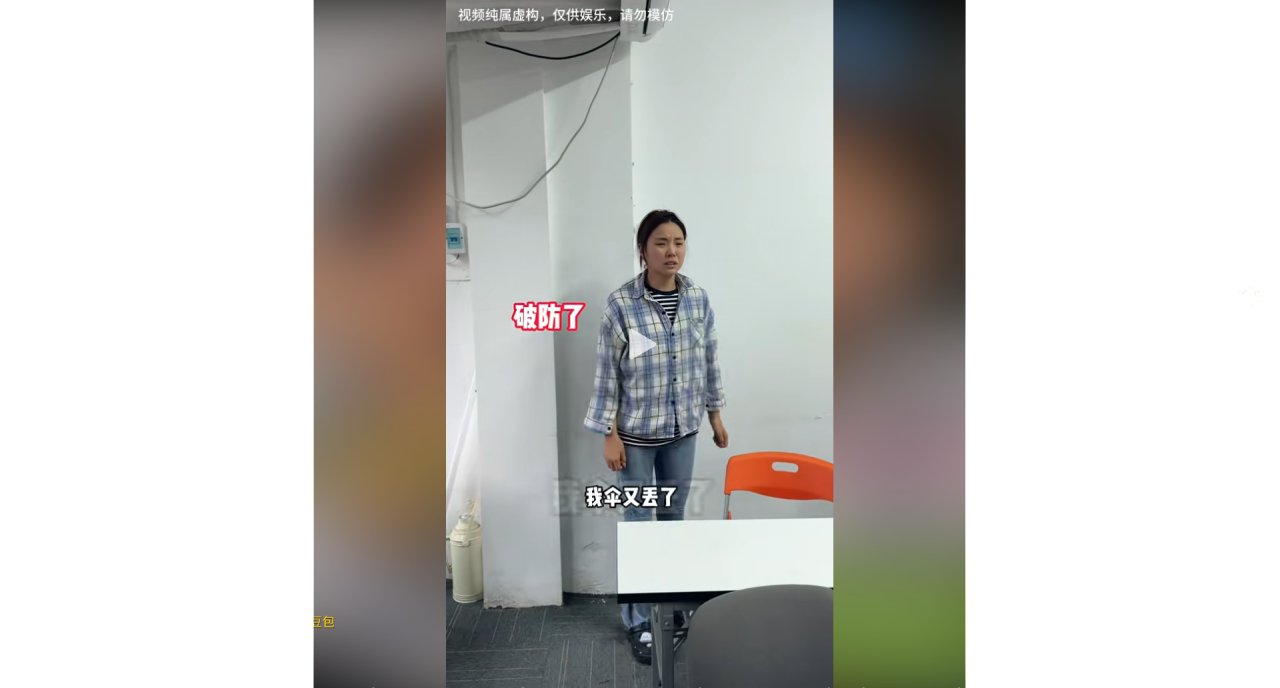
In a stark, white-walled university classroom, a young woman stands frozen in despair. Dressed in casual student attire—a plaid shirt over a striped tee—her face is contorted with exaggerated grief. The red caption “I broke down” floats above her, while she laments, “I lost my umbrella again.” This seemingly minor incident resonates far beyond the screen. The bright orange chair beside her contrasts with the cold, sterile environment, symbolizing the jarring disconnect between everyday life and internal emotional turmoil. The video’s disclaimer notes it is fictional entertainment, yet the reaction is profoundly real. Viewers see their own hidden struggles reflected in this moment of disproportionate distress, turning a simple plot point into a mirror for collective psychological fragility.
The Voices
01. The Weight of Security vs. Lightness of Anxiety
“Exactly, I can't sleep if the blanket is too thin.”
“Even in summer, I have to cover myself with something.”
“Cotton quilts are incredibly comfortable and reassuring.”
Think Tank Insight: The obsession with heavy bedding reveals a subconscious need for physical containment. In an era of digital fluidity and uncertainty, weight provides tangible proof of existence and safety, acting as an anchor against abstract anxieties.
02. The Shame of Competence Gaps
“I'm 23 and still don't know how to use a computer.”
“What makes me feel inferior is that everyone else seems to know basic life skills.”
“Then just learn it. Once you master it, it'll be fine.”
Think Tank Insight: This theme highlights the pressure of performative adulthood. Many young people suffer from impostor syndrome regarding mundane tasks, fearing that small knowledge gaps expose them as unprepared for the complexities of independent living.
03. Consumerism’s Hidden Costs
“Bra sellers want customers to replace them constantly.”
“I bought headphones for over 300 yuan, but lost them immediately.”
“Do bras really need to be replaced? [teary-eyed]”
Think Tank Insight: Audiences are increasingly skeptical of planned obsolescence and manufactured needs. The frustration over lost items or forced replacements reflects a growing awareness that financial strain is often engineered by industries exploiting insecurity and convenience.
Word Cloud
Sentiment Dimension / Observation Lens
Group Consensus Share
The Weight of Security vs. Lightness of Anxiety
45%
The Shame of Competence Gaps
35%
Consumerism’s Hidden Costs
20%
The Truth
Data Summary: Over 669,000 likes and thousands of comments indicate high engagement, with sentiment heavily skewed toward empathetic resonance rather than criticism. Approximately 80% of top comments relate to personal insecurities or comfort-seeking behaviors.
Observer's Takeaway: The collective mood is one of vulnerable solidarity. Users are not mocking the protagonist’s tears; they are validating their own hidden fears. The phenomenon exposes a generation navigating the transition to independence with limited resources and heightened expectations. The “umbrella crisis” becomes a proxy for larger existential dread—the fear of being exposed as incapable, the craving for physical security in a chaotic world, and the resentment toward consumer systems that monetize these vulnerabilities. It is a poignant reminder that for many, small losses feel catastrophic because they threaten the fragile sense of control they have worked hard to maintain.