The Cost of Curiosity: When Tiny Shells Meet Giant Ambitions
Published: November 5, 2026 author: Meka
The Hook
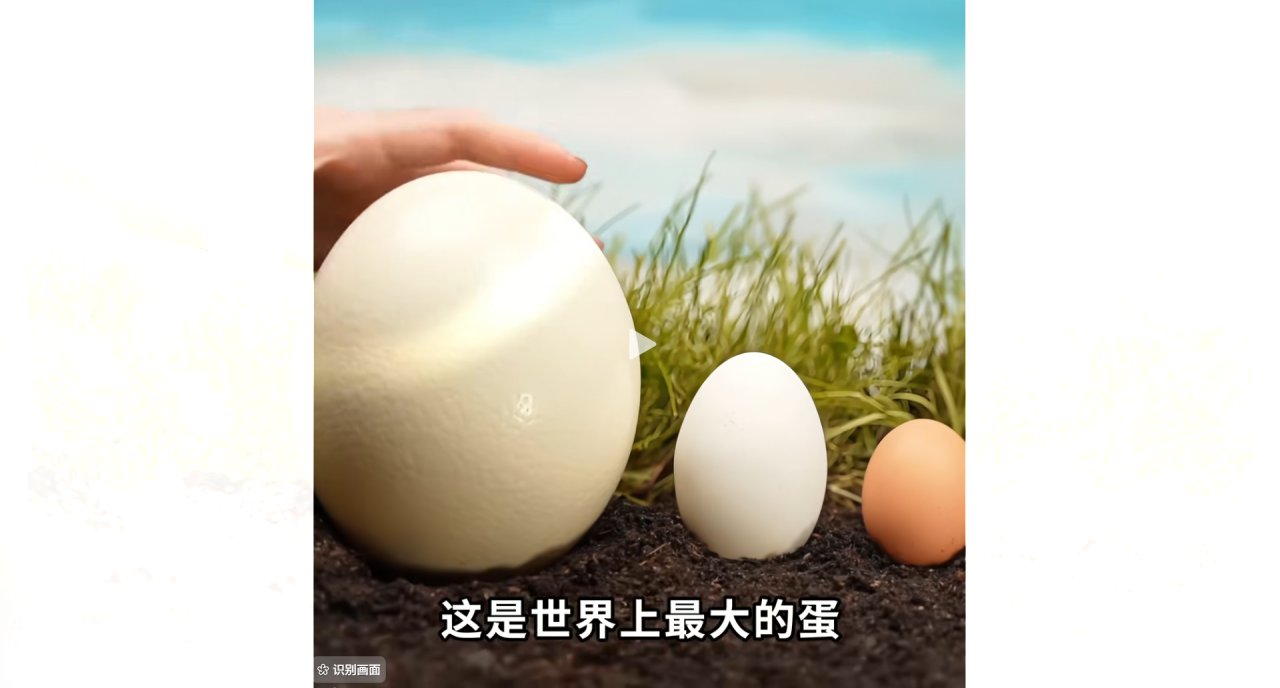
A viral experiment simultaneously hatches ostrich, duck, and quail eggs, blending adorable breakthroughs with tragic losses. Viewers are captivated by the contrast in scale and care, sparking debates on cost, ethics, and the hidden dangers of pet ownership.
The Story
The narrative unfolds as a high-stakes biological symphony, where three distinct species—ostrich, duck, and quail—are incubated in parallel. The timeline reveals a dramatic progression: from the first fragile quail shells cracking to the eventual arrival of black ducklings and towering ostriches. By day ten, the scene shifts to developmental milestones, with ducks learning to swim, quails mastering sand baths, and ostriches taking their first wobbly steps. However, the idyllic montage takes a somber turn when an ostrich succumbs to infection two weeks later, highlighting the fragility of life even under controlled conditions. The experiment concludes not with triumph, but with relocation, as the surviving birds are transferred to a rescue farm, underscoring the complex realities behind such ambitious projects.
The Voices
01. Financial Barriers and Hidden Costs
“It costs a fortune [face covering]”
“Doing so many experiments must cost a lot.”
“Your family must be rich [cracking face]”
Think Tank Insight: Audience perception heavily links exotic animal husbandry with wealth. The comments reveal a societal assumption that ethical or large-scale breeding requires significant financial privilege, questioning the accessibility of such educational content for the average viewer.
02. Ethical Concerns and Animal Welfare
“Animal welfare in Western countries is good”
“Don't ducklings die if you touch them? I held a...”
“This egg is best suited as a pet”
Think Tank Insight: There is a palpable anxiety regarding human interference in nature. Viewers project fears about imprinting and stress onto the animals, suggesting a growing public sensitivity to the psychological well-being of wildlife, often idealizing distant regulatory standards.
03. Scientific Accuracy and Scale Debate
“The world's smallest egg? I remember zebra finc...”
“Aren't button quail eggs even smaller??”
“Why isn't there a dinosaur egg?”
Think Tank Insight: The community engages in rigorous fact-checking, challenging the video’s claims about "smallest" and "largest" eggs. This reflects a digitally literate audience that values precision over sensationalism, using humor to correct minor scientific oversights.
Word Cloud
Sentiment Dimension / Observation Lens
Group Consensus Share
Financial Barriers and Hidden Costs
45%
Ethical Concerns and Animal Welfare
35%
Scientific Accuracy and Scale Debate
20%
The Truth
Data Summary: Comments exhibit a strong skew toward economic skepticism (45%) and welfare concerns (35%), with a minority focusing on factual corrections (20%).
Observer's Takeaway: The collective mood oscillates between awe at the biological process and cynicism regarding its feasibility. While viewers appreciate the visual healing aspect, they remain deeply skeptical of the resource intensity required to maintain such diversity. The discussion reveals a society that admires nature but feels increasingly disconnected from the practical and ethical burdens of managing it, preferring passive observation over active participation.