Why No One Eats Leeches? A Culinary Mystery Unpacked
Published: November 12, 2026 author: yunpoly
The Hook
A viral video posing the question “Why doesn’t anyone eat leeches?” sparked a lively debate. From medicinal value to grotesque culinary experiments, netizens explored the bizarre intersection of traditional medicine and dark humor.
The Story
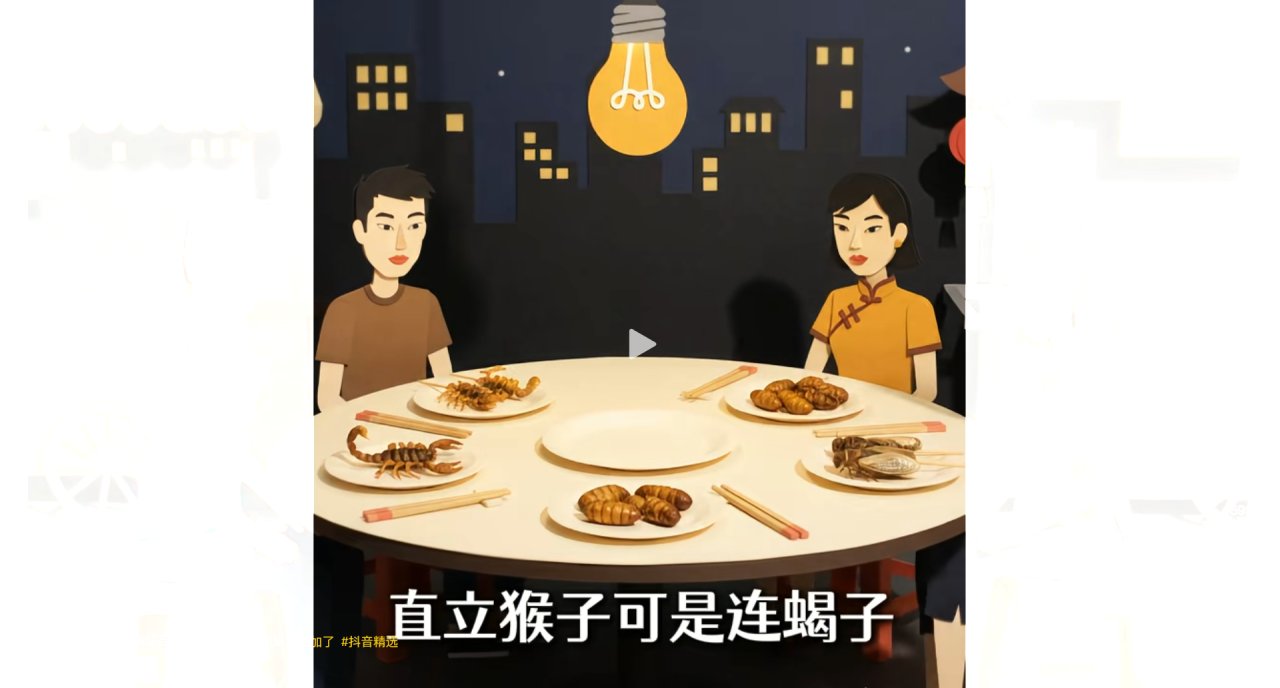
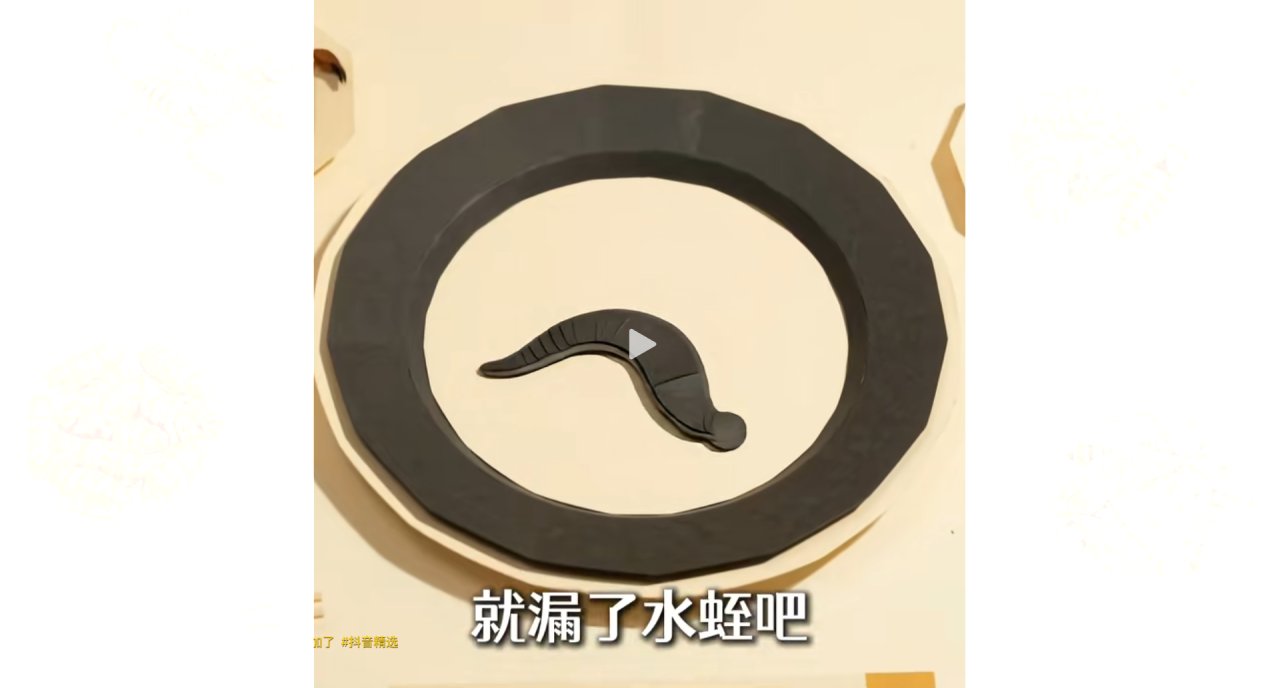
The content presents a visually striking paradox: a meticulously arranged “dinner table” featuring scorpions, silkworm pupae, and insects, with a clay model of a leech placed at the center like a gourmet delicacy. This setup, designed to mimic high-end food photography, serves as a humorous hook for a scientific inquiry into why leeches are rarely consumed despite being part of the insect-eating culture in some regions. The narrative shifts from shock value to educational insight, exploring the biological reality of leeches versus their cultural perception. It highlights the tension between the leech’s role as a potent ingredient in Traditional Chinese Medicine (TCM) and its status as an unappetizing creature for casual dining, inviting viewers to reconsider what constitutes “food” through a lens of curiosity and slight revulsion.
The Voices
01. Medicinal Value vs. Culinary Reality
“Leeches are traditional Chinese medicine.”
“Who said nobody eats it? It's a medicinal ingredient.”
“Shuizhi is just Ma Huang (leech), and Ma Huang ...”
Think Tank Insight: The audience largely corrects the premise by highlighting the leech’s established role in TCM. There is a consensus that while not a snack, leeches hold significant pharmaceutical value, challenging the notion that they are entirely “uneaten” within specific cultural contexts.
02. The Gross-Out Factor and Taste Profile
“It's not tasty. It's bitter, smelly, and has a ...”
“This stuff makes me nauseous just looking at it...”
“Even people from Guangdong don't eat them, whic...”
Think Tank Insight: Despite medicinal claims, visceral disgust dominates the conversation. Users emphasize the unpleasant sensory experience—bitter taste and slimy texture—and note that even adventurous eaters avoid them, reinforcing the boundary between therapeutic use and recreational consumption.
03. Dark Humor and Hypothetical Cooking
“Stir-fried leeches. Check it out.”
“Coat them in batter and fry them, put salt insi...”
“Leech sashimi [look]. Is there potential here?”
Think Tank Insight: A segment of the community engages in creative, albeit macabre, brainstorming about preparation methods. These comments serve as social bonding through shared shock value, turning a biological fact into a playground for internet meme culture and hypothetical gastronomy.
Word Cloud
Sentiment Dimension / Observation Lens
Group Consensus Share
Medicinal Value vs. Culinary Reality
45%
The Gross-Out Factor and Taste Profile
35%
Dark Humor and Hypothetical Cooking
20%
The Truth
Data Summary: Comments reflect a split personality: 45% focus on factual correction regarding TCM usage, while 55% lean towards emotional reactions ranging from disgust to humorous speculation.
Observer's Takeaway: The discourse reveals a fascinating cultural dichotomy where utility overrides appetite. While the physical repulsion toward leeches remains strong, there is a collective acknowledgment of their medical legitimacy. The trend towards joking about “leech sashimi” indicates how modern audiences process taboo subjects through irony, transforming fear into entertainment while subtly respecting traditional knowledge systems.