Nine Months of Mud and the Question of Where Life Comes From

Nine Months of Mud and the Question of Where Life Comes From

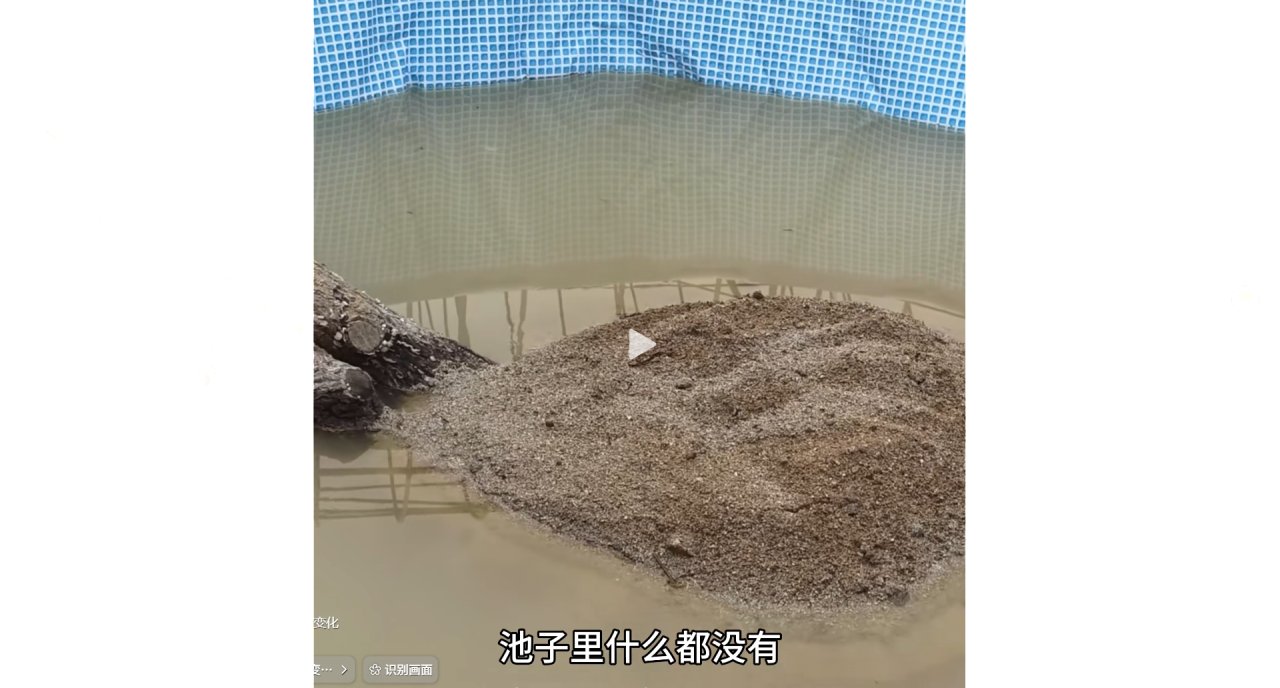
The video is paused, but the scene feels like it’s holding its breath. A blue-and-white checkered waterproof tarp forms a small pond, the water inside muddy yellow and still as a dusty mirror. There’s no fish, no weeds, just a cone of dark sand sitting in the center and a gnarled piece of dead wood leaning into the frame from the left. The caption on screen reads, “There’s nothing in the pool.” It looks empty to us, but that emptiness is exactly where the story starts.

I’ve spent years watching kids look for answers before they’ve learned how to ask questions. This setup reminds me that science isn’t always about immediate results. Sometimes it’s about waiting. The comments below this clip are full of people asking when the fish will appear, wondering if bird droppings brought eggs, or debating whether distilled water would change things. They’re looking for a payoff. But the real lesson here might be the patience required to watch something develop from nothing.

The Wait

One commenter wrote, “I watched for a long time because I was hoping…” The sentence trails off, but the hope is clear. They want to see life emerge. Another asks, “Where are the fish? Have any appeared?” These aren’t idle questions. They reflect a genuine curiosity about how ecosystems build themselves. If you fill a container with soil and water, does life just happen? Or do you need to introduce it?

This tension between expectation and observation is what makes home science interesting. You don’t need a lab coat. You need a tarp, some dirt, and the willingness to wait nine months. The kid who watches this learns that nature doesn’t run on our schedule. It runs on its own.

What it takes vs. What the kid gets

What it takes What the kid gets
Time to observe daily Patience with uncertainty
Basic materials (tarp, soil) Understanding of succession
No immediate reward Comfort with slow processes

Muddy pool containing a dirt pile and log, with Ch

Seeing the Invisible

Of course, most families don’t have space for a nine-month tarp experiment in the backyard. That’s where Wwai comes in. It’s a simulation app that lets

a kid explore these kinds of biological questions without the mud. My nephew opened it up last week. He didn’t download instructions; he just tapped on a digitized slide of pond water. The AI tutor walked him through what he was seeing. When he asked why the tiny organisms moved in jerky lines, the app explained Brownian motion—how invisible water molecules bump into visible particles. He checked the conclusion himself by adjusting the zoom. The tutor didn’t lecture; it kept the question going until he figured out the mechanism.5ba5dd3c38404fe785f43c44423830de

It’s not a replacement for getting your hands dirty. But it bridges the gap between wanting to know and having the tools to see. For kids in suburbs without access to wetlands, it brings the microscopic world into their pocket.

Questions Out of Order

Real questioning isn’t logical. It jumps around. One person asks, “How did that tiny bit of water at the beginning survive evaporation?” Then another chimes in, “Bird droppings often contain fish eggs.” Then someone else worries, “Isn’t this a video from two years ago?”

These interruptions matter. They show how curiosity works: messy, overlapping, and driven by gaps in knowledge. A good educational tool shouldn’t try to straighten out this mess. It should help the kid navigate it. When my nephew used the app, he asked three questions in a row that had nothing to do with each other. The AI answered the first, admitted it didn’t know the answer to the second, and helped him find a related slide for the third. It wasn’t perfect. It was honest.

Starting With Nothing

We tend to think science needs a spark. A reaction, a color change, a loud bang. But the most profound discoveries often start with silence. The empty pond, the static water, the lack of obvious life. That’s where the work begins.

The parents in the comments aren’t wrong to want fish. They’re just impatient. And maybe that’s okay. Impatience is the fuel for inquiry. As long as they keep asking, they’ll eventually see the mud come alive.