When a Northeastern Girl Storms a Korean Elite Academy: The Anti-Romance Narrative That Captivated the Internet
Published: November 5, 2026 author: yunpoly
The Hook
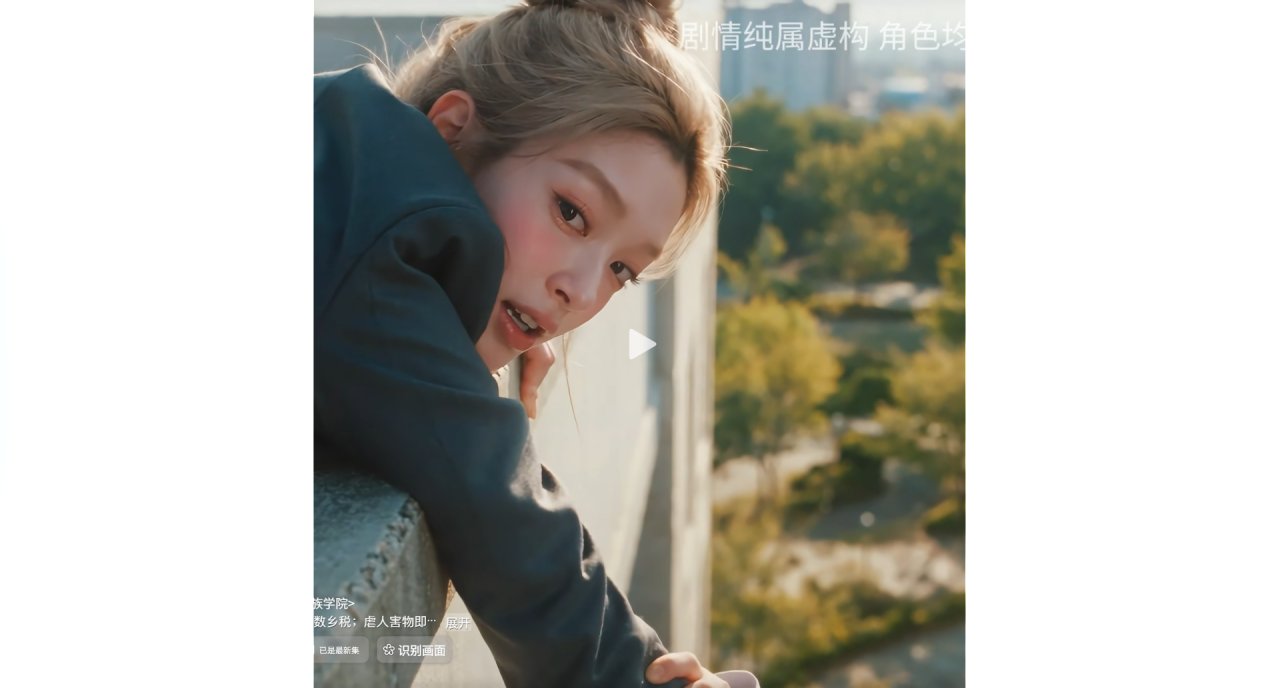
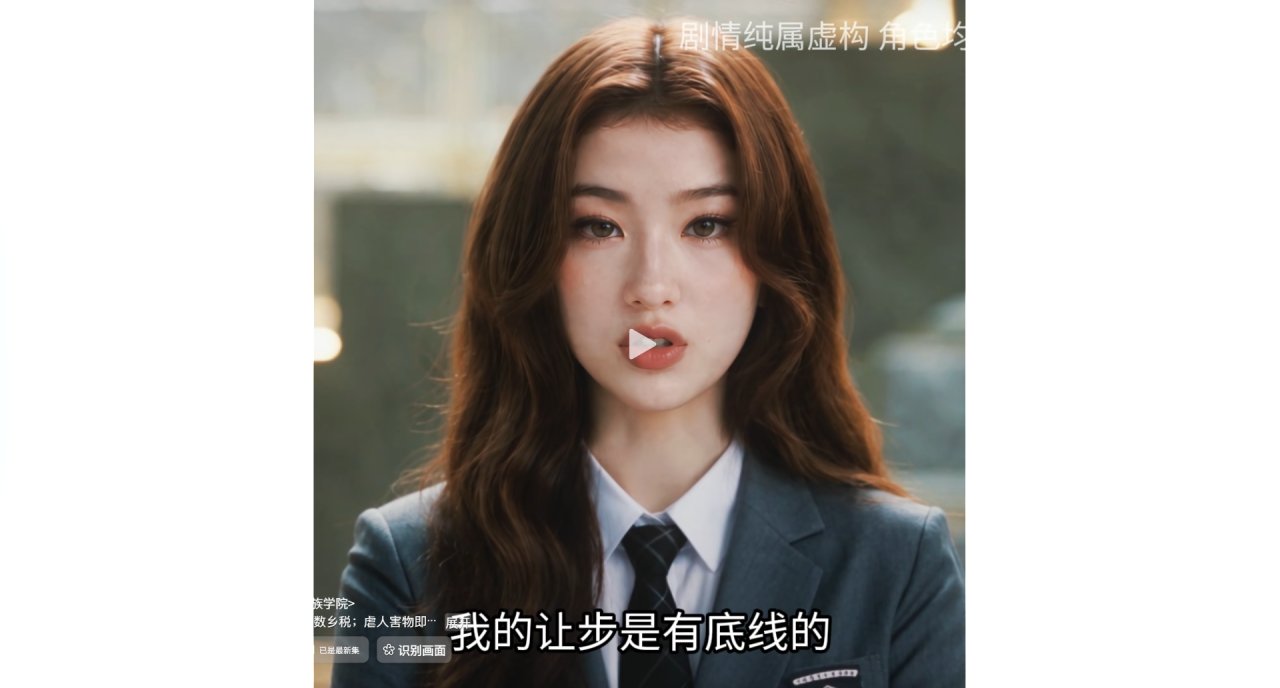
A viral short drama featuring a tough Northeastern Chinese woman transported into a Korean elite school setting has sparked intense debate. Audiences are celebrating her rejection of romantic tropes in favor of raw, independent strength, while questioning the realism of depicted bullying.
The Story
In a narrative twist that defies traditional idol drama conventions, a protagonist from China’s Northeast finds herself as the “villainous female supporting character” in a high-stakes Korean aristocratic academy. Instead of relying on a male lead for salvation or engaging in petty scheming, she confronts systemic bullying with physical resilience and unapologetic attitude. The scene depicting her walking through a corridor of intimidation resonated deeply, shifting the emotional atmosphere from passive victimhood to active defiance. This subversion of the “damsel in distress” trope has turned the series into a cultural touchstone, where viewers cheer not for a kiss, but for a punch. The creative direction emphasizes autonomy over romance, challenging the audience to reconsider what makes a female lead compelling in modern storytelling.
The Voices
01. Rejection of Romantic Dependency
“I don’t want the male lead to save her; I want her to punch them herself.”
“No CP (couple pairing) please, just let the female lead crush them all.”
Think Tank Insight: This sentiment reflects a growing fatigue with patriarchal rescue narratives. Audiences are demanding agency, preferring protagonists who solve problems through competence rather than charm or romantic leverage.
02. Realism vs. Fictional Bullying
“Is school bullying really this severe in Korea?”
“I saw a high schooler slap another boy on the street in Korea once; it looked exactly like the show.”
Think Tank Insight: Viewers are blurring the lines between dramatic exaggeration and social reality. The discussion serves as a proxy for broader anxieties about institutional violence and the global nature of youth bullying culture.
03. Frustration with Pacing and Plot Continuity
“This episode is too short! Update faster!”
“Updates are so slow I forgot the previous plot and have to rewatch.”
Think Tank Insight: High engagement metrics often clash with production constraints. The demand for rapid updates highlights the binge-watching psychology of digital-native audiences, where narrative momentum is valued over polished pacing.
Word Cloud
Sentiment Dimension / Observation Lens
Group Consensus Share
Rejection of Romantic Dependency
45%
Realism vs. Fictional Bullying
35%
Frustration with Pacing and Plot Continuity
20%
The Truth
Data Summary: Analysis of comment sections reveals a dominant focus on character agency (45%) and social realism (35%), with minimal attention paid to traditional romantic pairings, indicating a significant shift in viewer priorities.
Observer's Takeaway: The collective mood is one of empowered frustration. While audiences are emotionally invested in the protagonist’s independence and critical of the depicted societal issues, they remain impatient with the serialization format. This phenomenon underscores a broader cultural pivot: viewers are increasingly rejecting passive femininity in media, seeking instead narratives that validate individual strength and confront uncomfortable social truths, even if the delivery mechanism remains flawed.