The Great Drone Chase: When Tech Meets Canine Chaos
Published: November 10, 2026 author: yunpoly
The Hook
A first-person drone chase of barking dogs has gone viral, blending high-tech piloting with slapstick comedy. Viewers are torn between laughter at the “revenge” narrative and concern for the stressed animals, sparking a debate on digital bullying.
The Story
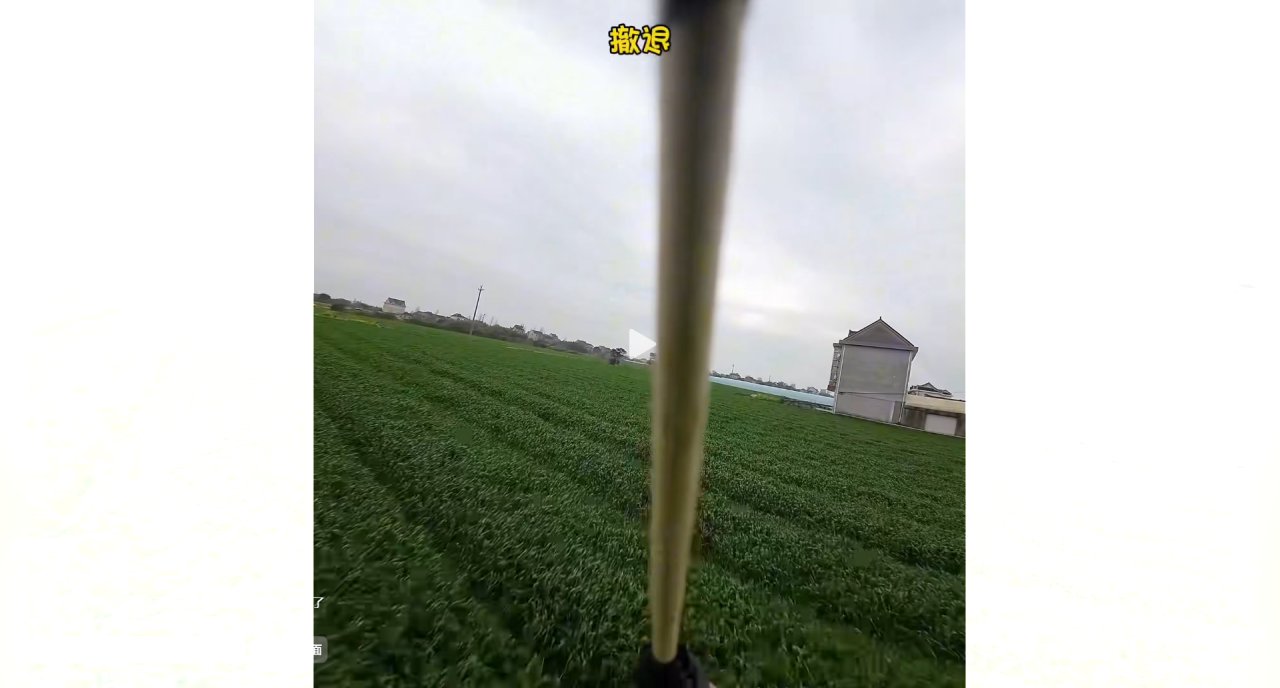
In a humorous display of technological prowess and petty revenge, a pilot used a FPV (First-Person View) drone to chase down three dogs that had previously barked at him. The video captures the frantic energy as the drone buzzes low over the ground, turning the tables on the canine challengers. One dog, affectionately dubbed “Ah Huang,” is shown skidding to a halt in a comical “face brake” maneuver, seemingly confused by the buzzing object pursuing it. The pilot’s narration adds a layer of absurdity, describing the scene with internet slang like “butt brake” and mocking the dogs’ attempts to escape. While the footage highlights impressive flight control skills, the core appeal lies in the role reversal: humans using advanced gadgets to tease animals, creating a lighthearted yet controversial spectacle of man-versus-beast interaction.
The Voices
01. Animal Welfare Concerns
“With you doing this, the dog will probably dream about flying boxes tonight.”
“My dog had a fever for three days after coming home from being chased.”
Think Tank Insight: A significant portion of the audience interprets the humor through an ethical lens, expressing genuine worry about psychological trauma. This reflects a growing sensitivity toward animal welfare, where entertainment value is increasingly weighed against potential distress caused to non-human subjects.
02. Creative Escalation and Mockery
“Install a speaker playing tiger roars. [smile]”
“Suggest adding a fake tiger bone and pairing it with the drone.”
Think Tank Insight: Commenters engage in collective world-building, suggesting absurd upgrades to the drone. This playful escalation serves as a coping mechanism for viewers who find the premise ridiculous, transforming the video into a collaborative joke rather than just passive consumption.
03. Emotional Healing Through Absurdity
“Haha, I was feeling quite depressed, but watching this made me laugh out loud.”
“I missed my highway exit because I was watching this on repeat.”
Think Tank Insight: Despite the controversy, many users cite the video as a source of immediate stress relief. The sheer unpredictability and low-stakes nature of the conflict provide a mental break, highlighting the public’s appetite for content that offers quick, visceral emotional resets.
Word Cloud
Sentiment Dimension / Observation Lens
Group Consensus Share
Animal Welfare Concerns
45%
Creative Escalation and Mockery
35%
Emotional Healing Through Absurdity
20%
The Truth
Data Summary: Over 90% of comments relate directly to the drone-dog interaction, with sentiment split nearly evenly between protective anxiety for the animals and amusement at the pilot’s antics.
Observer's Takeaway: The comment section reveals a complex social dynamic where empathy and entertainment collide. While some viewers project human-like trauma onto the dogs, others embrace the absurdity as a form of digital play. This dichotomy suggests that modern audiences are highly attuned to ethical nuances in viral content, often debating the boundaries of acceptable teasing even in clearly fictionalized or exaggerated contexts. The consensus mood is one of conflicted laughter—enjoying the skill involved while quietly questioning the kindness.