The Midnight Stall: A Suspenseful Puzzle of Braised Delicacies
Published: November 4, 2026 author: Meka
The Hook
An original animated mystery thriller plunges viewers into a high-stakes survival game at a late-night food stall. As characters face a deadly deadline, the line between predator and prey blurs, sparking intense debate over logic, lore, and nostalgic storytelling tropes.
The Story
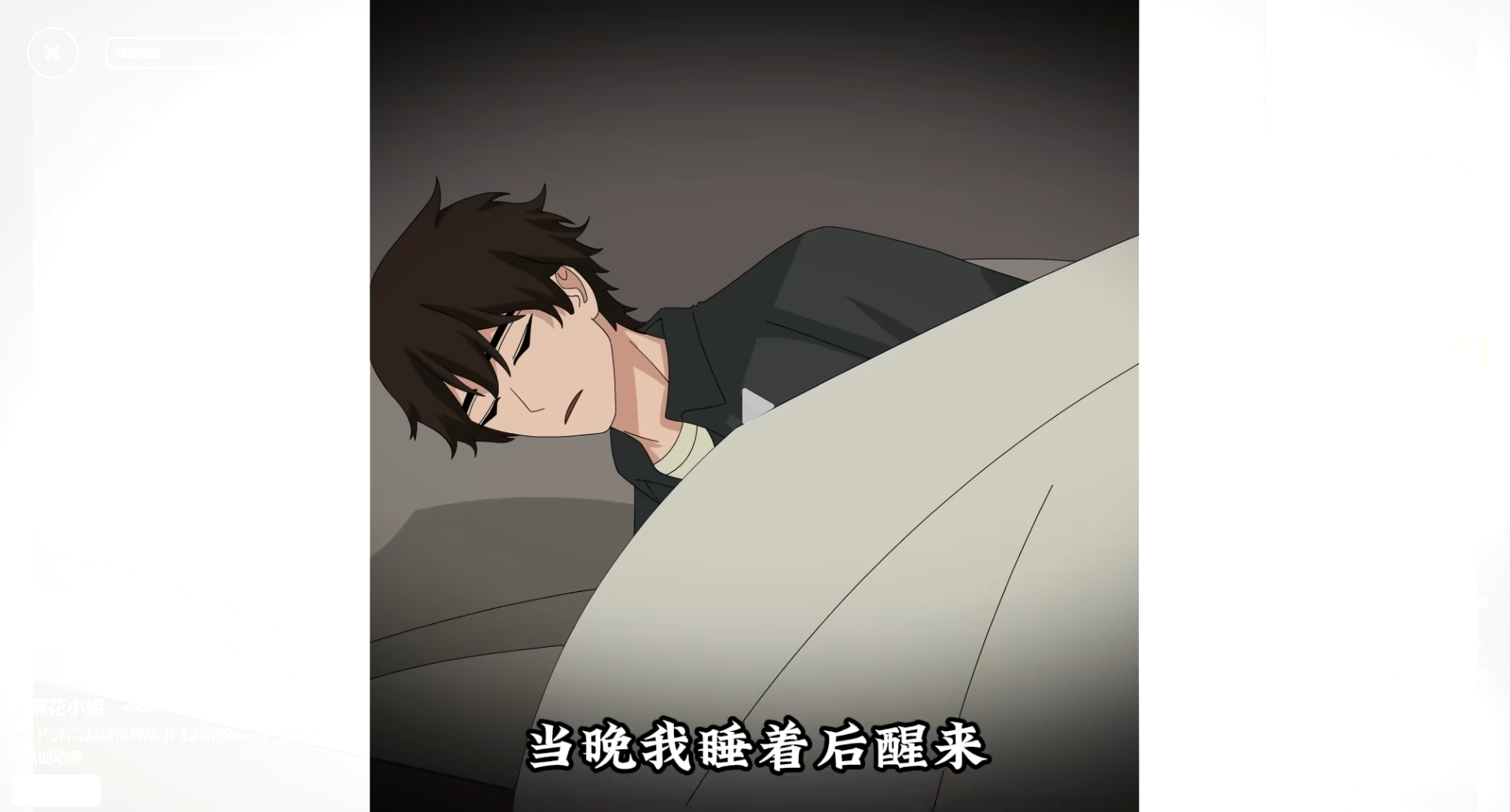
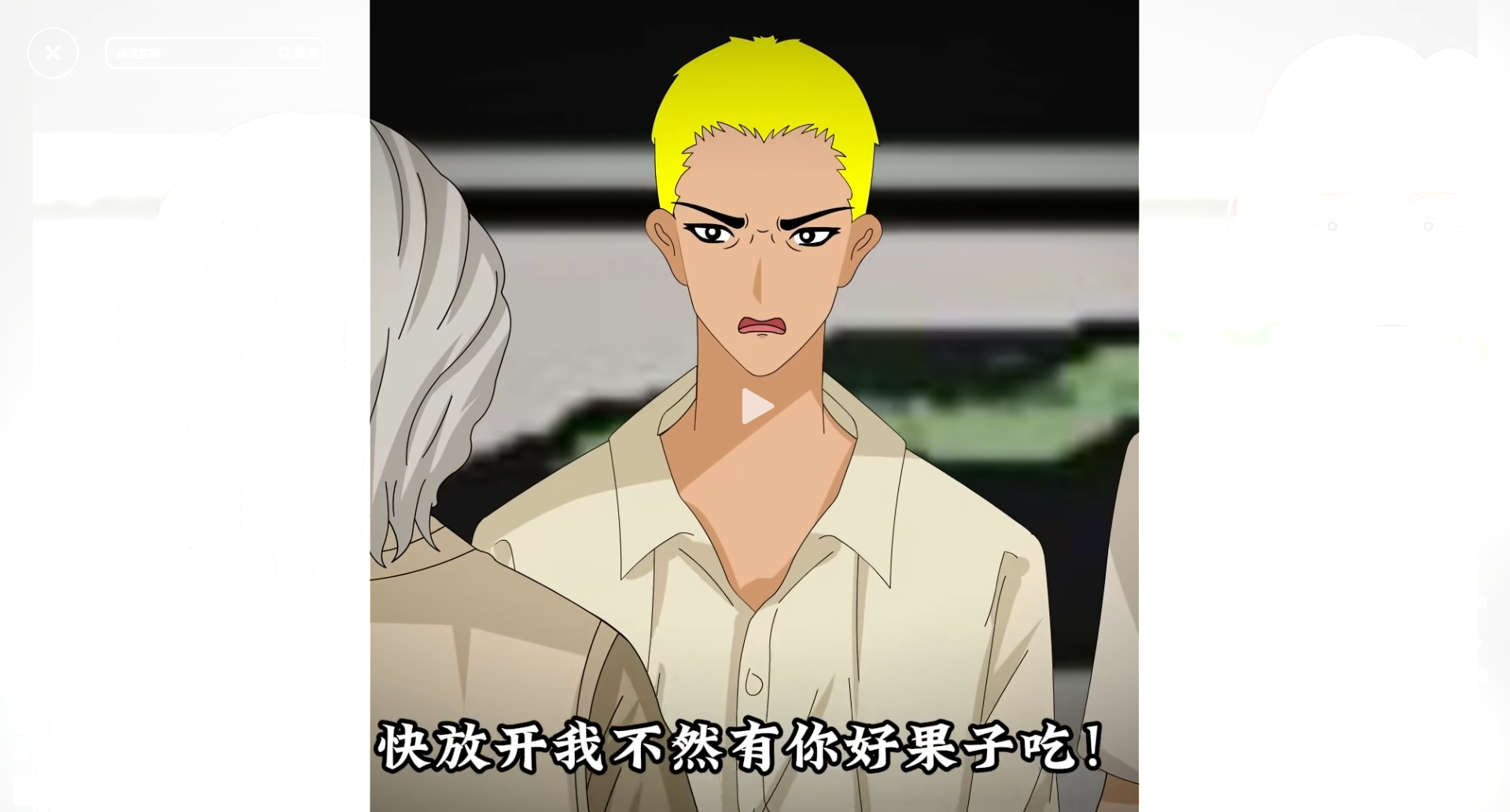
The narrative unfolds in a dimly lit urban alley where a mysterious braised dish stall operates under strict, unspoken rules. Protagonists are drawn into a限时 (time-limited) reasoning challenge orchestrated by an enigmatic vendor, later revealed to be linked to the mythological figure Meng Po. The atmosphere is thick with tension as participants must deduce the true nature of the "lost dishes" before they are erased from existence. The animation style enhances the eerie vibe, utilizing shadow and silence to amplify the psychological horror. Viewers are left questioning whether the danger lies in the food itself or the supernatural forces governing the transaction, creating a layered experience that mixes traditional folklore with modern suspense mechanics.
The Voices
01. Logical Deduction vs. Supernatural Lore
“Wait, I have a question. Didn't the milk village... Human speech: Werewolf game”
“Entirely within Meng Po's line of sight”
“God of deduction”
Think Tank Insight: Audiences are actively engaging in meta-analysis, treating the plot as a puzzle box rather than passive entertainment. There is a strong desire to reconcile the folkloric elements (Meng Po) with logical gameplay mechanics (Werewolf game), indicating a preference for coherent rule-based mysteries.
02. Nostalgia and Content Repetition
“[Glitch] Wasn't this posted the year before last?”
“Who gets that the last time I watched this was...”
“Yes, I remember. Back then, Mahua's works inclu...”
Think Tank Insight: A significant portion of the community expresses déjà vu, suggesting the content may rely on familiar tropes or previous viral formats. This nostalgia-driven commentary highlights a fatigue with repetitive suspense structures, yet also reveals a loyal fanbase seeking comfort in known narrative arcs.
03. Character Dynamics and Survival Instincts
“Isn't anyone who eats it destined to die? Is vo...”
“Aren't your legs untied? Just run directly like...”
“I'm 20 years old and still a child, seriously i...”
Think Tank Insight: Comments focus heavily on character agency and survival logic. Viewers critique the passivity of protagonists, demanding more rational action (running away) versus staying to solve puzzles. This reflects a growing audience intolerance for illogical horror tropes and a preference for competent, proactive characters.
Word Cloud
Sentiment Dimension / Observation Lens
Group Consensus Share
Logical Deduction vs. Supernatural Lore
45%
Nostalgia and Content Repetition
30%
Character Dynamics and Survival Instincts
25%
The Truth
Data Summary: Comment sentiment is dominated by analytical engagement (45%), followed by nostalgic recognition (30%) and critical evaluation of character logic (25%). High interaction rates suggest the mystery genre remains potent but requires fresh execution to avoid perception of repetitiveness.
Observer's Takeaway: The audience’s reaction reveals a sophisticated consumer base that values internal consistency in fantasy narratives. While the atmospheric horror succeeds in drawing viewers in, the skepticism regarding recycled plots and illogical character decisions indicates a shifting standard for digital storytelling. Creators must balance folkloric mystique with rigorous logical frameworks to maintain credibility. The collective mood is one of eager participation mixed with cautious scrutiny, signaling that while the format is popular, the novelty threshold is rising rapidly among core fans.