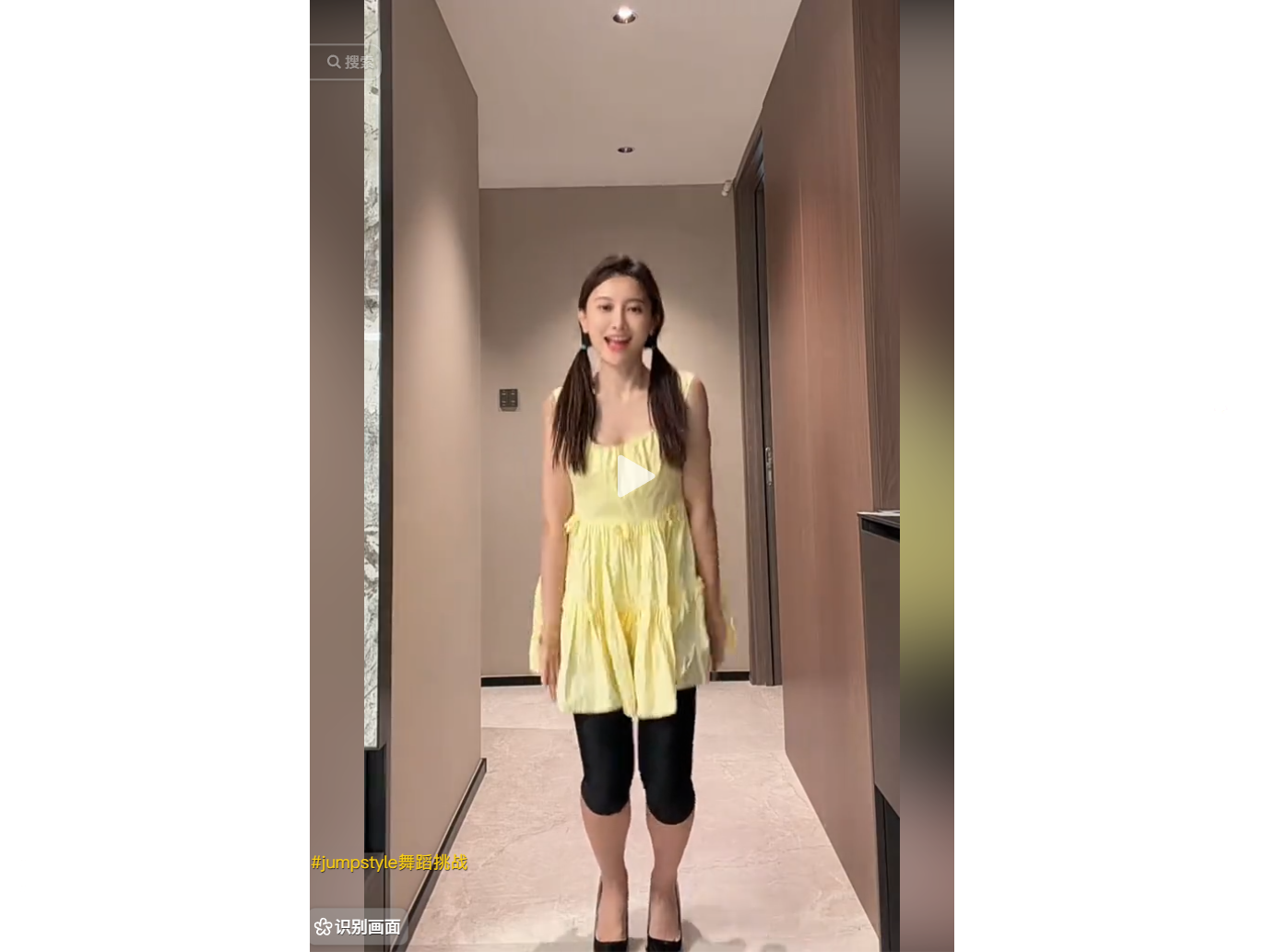
The Hook
A viral dance challenge merges rhythmic precision with extreme visual contrast, leaving audiences stunned. What begins as a bare-faced, childlike persona instantly morphs into a high-fashion dancer, sparking intense debate over authenticity, identity, and the jarring power of digital transformation in modern content creation.
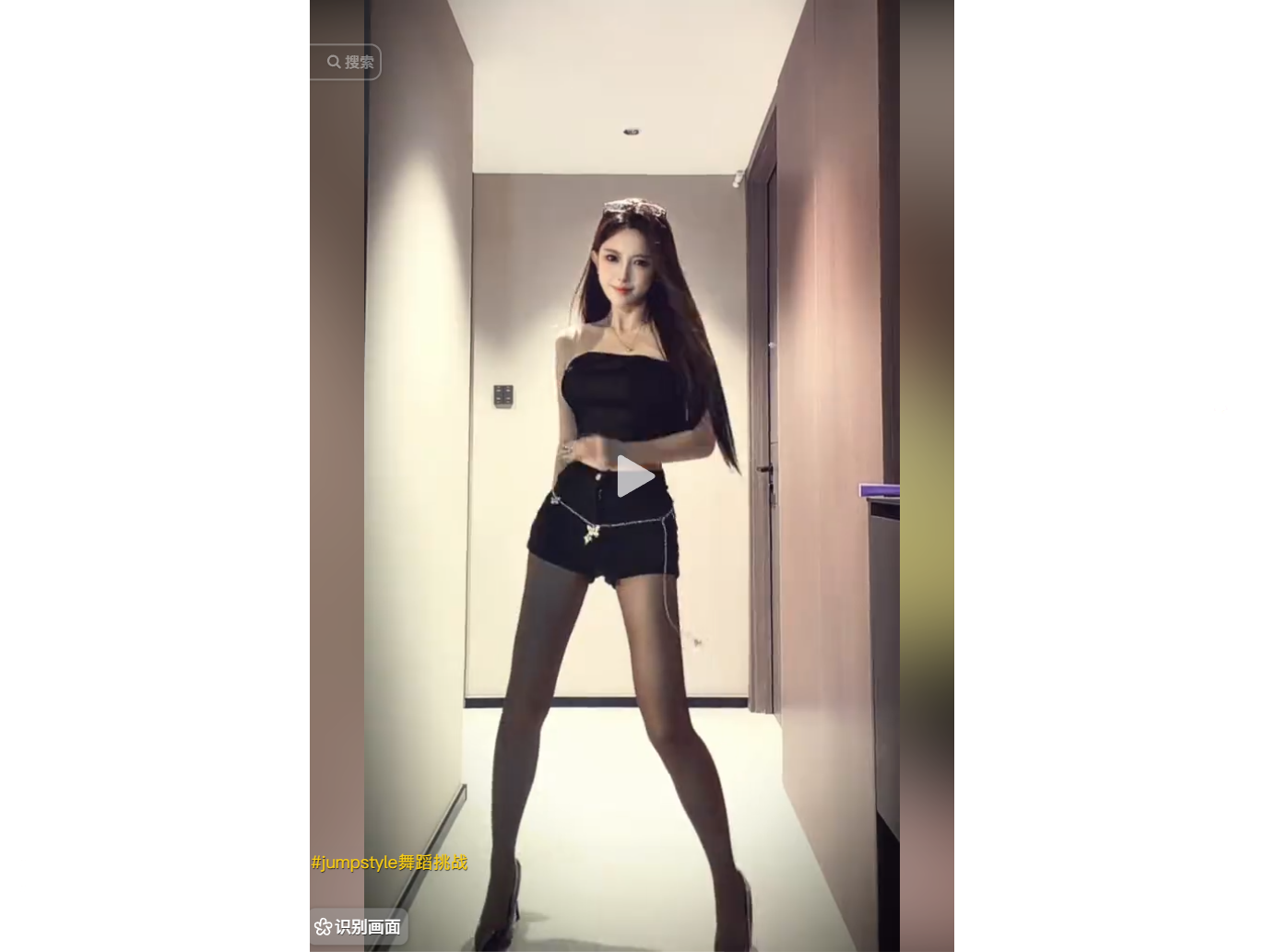
The Story
In a masterful blend of performance art and internet culture, creator Xinmiao delivers a "Jumpstyle" dance challenge that transcends typical trend participation. Opening with the iconic audio cue "Mister Foscar, it's time to jump," the video utilizes seamless editing to toggle between two radically distinct personas. On one side stands a bare-faced figure evoking innocent childhood nostalgia; on the other, a tall, stylized dancer executing sharp choreography. This is not merely a costume change but a deliberate deconstruction of online identity. The audience reaction reveals a collective cognitive dissonance; viewers are simultaneously impressed by the technical skill and emotionally unmoored by the disappearance of the familiar "little girl." The video succeeds because it leverages the uncanny valley of self-presentation, turning a simple dance trend into a complex narrative about growth, perception, and the malleability of the digital self.
The Voices
01. The Authenticity Paradox
"Sis has always appeared on camera without makeup"
"So... was that no-makeup look earlier? [Terror]..."
"When I realized sis never wears makeup for her videos"
Think Tank Insight: The fixation on the "bare face" highlights a shifting trust metric in influencer culture. Audiences now treat natural aesthetics as a potential special effect rather than biological reality. This skepticism suggests that hyper-curated authenticity has paradoxically made genuine vulnerability indistinguishable from performance, creating a permanent state of viewer suspicion regarding digital truth.
02. Grief for the Digital Persona
"Bring back that little kid from earlier—who are you?"
"Miss, have you seen a little girl in yellow? I lost her"
"Oh my god, who are you? [Sobbing]"
Think Tank Insight: Comments mourning the "lost child" reveal deep parasocial attachment to specific creator archetypes. When a creator evolves or rebrands through stark visual contrast, loyal followers experience genuine psychological displacement. This indicates that audiences often consume creators as static characters rather than dynamic humans, resisting transformation that breaks their established emotional contract.