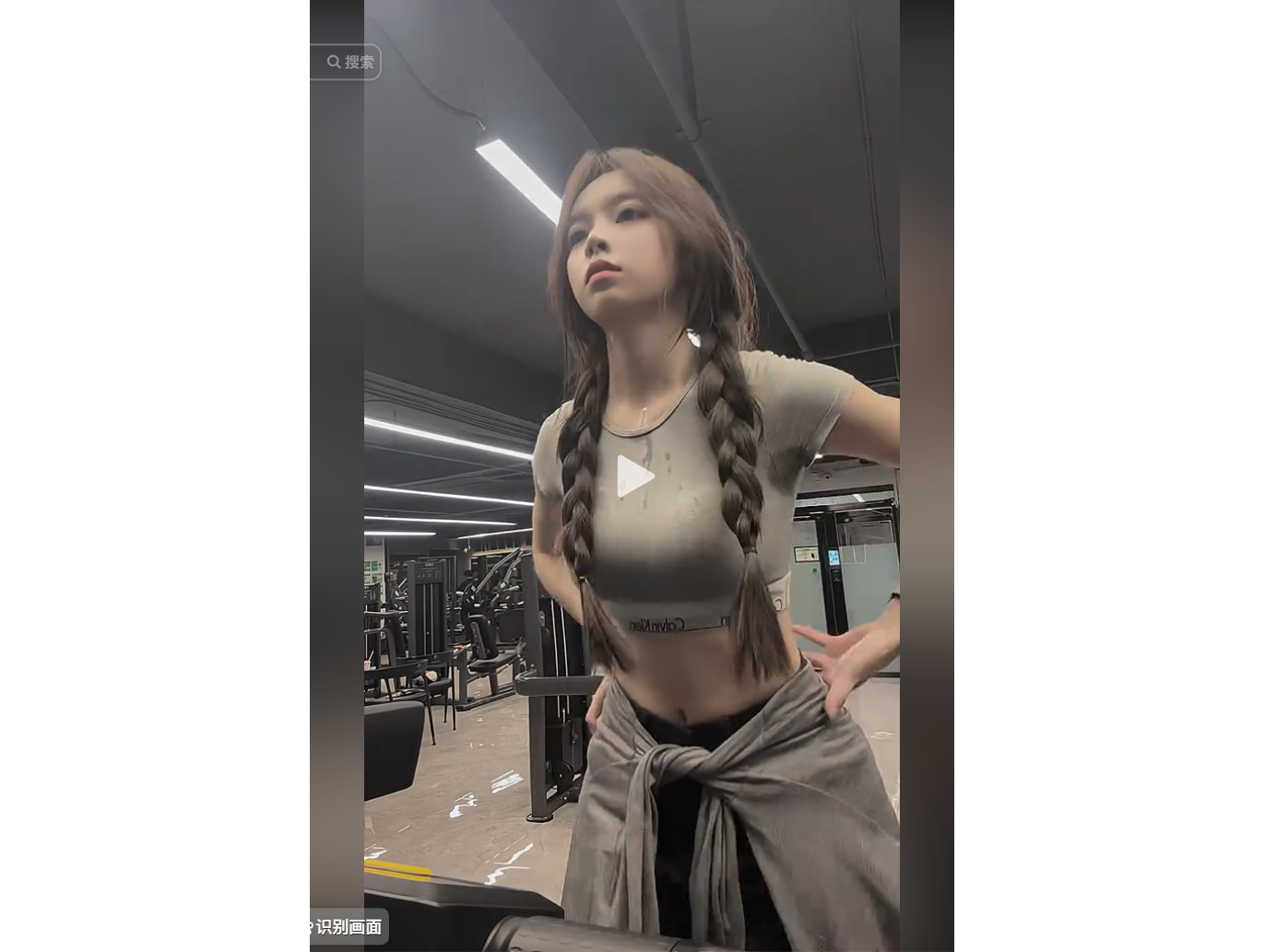
The Hook
Incline walking has evolved from a simple cardio routine into a viral cultural phenomenon. Beyond the treadmill settings and weight loss claims, this trend reveals a deeper narrative where physical exhaustion serves as a desperate remedy for modern insomnia, blending fitness aesthetics with collective anxiety.
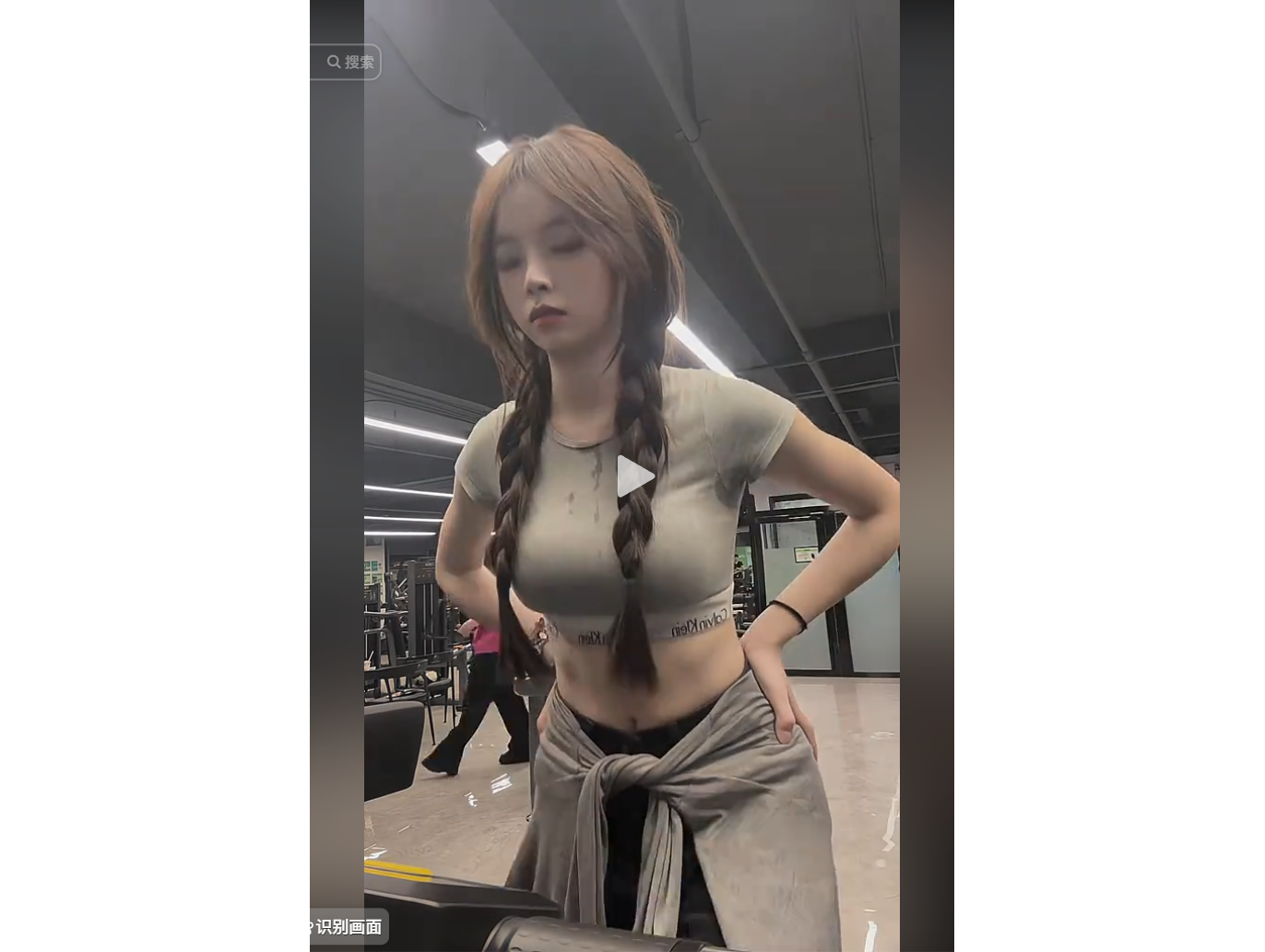
The Story
The video presents a visually curated tutorial on incline walking, synchronizing rhythmic movement with an upbeat soundtrack to transform repetitive exercise into an engaging performance. While ostensibly a guide to fat loss and stamina using specific machine parameters like speed 4.2 or incline 12, the content functions as a digital mirror for viewer anxieties. The comment section transforms the post into a communal support group where technical questions about gym equipment intersect with vulnerable confessions about cortisol spikes and sleeplessness. Viewers are not merely seeking workout advice; they are validating a shared struggle where the gym becomes a sanctuary for mental regulation. The juxtaposition of polished fitness aesthetics—makeup, hairstyles, and coconut water—against raw admissions of exhaustion highlights a complex relationship with wellness, where self-care and performative discipline exist in uneasy tension.
The Voices
01. Technical Validation and Parameter Anxiety
"What speed are you going? I feel like 5.0 is so..."
"Incline 12 and speed 4.2?"
Think Tank Insight: The fixation on specific metrics reflects a desire for standardized success in an uncertain wellness landscape. Users seek precise numerical validation to mitigate fitness anxiety, treating exercise parameters as objective truths that guarantee results and reduce the cognitive load of decision-making in saturated gym environments.
02. Exercise as Somatic Therapy for Insomnia
"My cortisol levels are also through the roof. Melatonin doesn't really work for me anymore either"
"Because incline walking is the only time you can't think about anything else"
Think Tank Insight: Comments reveal a paradigm shift where cardio is less about physique and more about neurological regulation. Physical exhaustion is being weaponized against chronic stress and sleep disorders, indicating that for many, the treadmill serves primarily as a somatic coping mechanism for systemic burnout rather than a vanity project.