The Hook
A mesmerizing hand-dance video promises emotional healing, yet the comments reveal a starkly different reality. Beneath the aesthetic allure lies a chaotic marketplace of engagement farming, AI speculation, and desperate traffic-seeking behavior that redefines modern digital interaction.
The Story
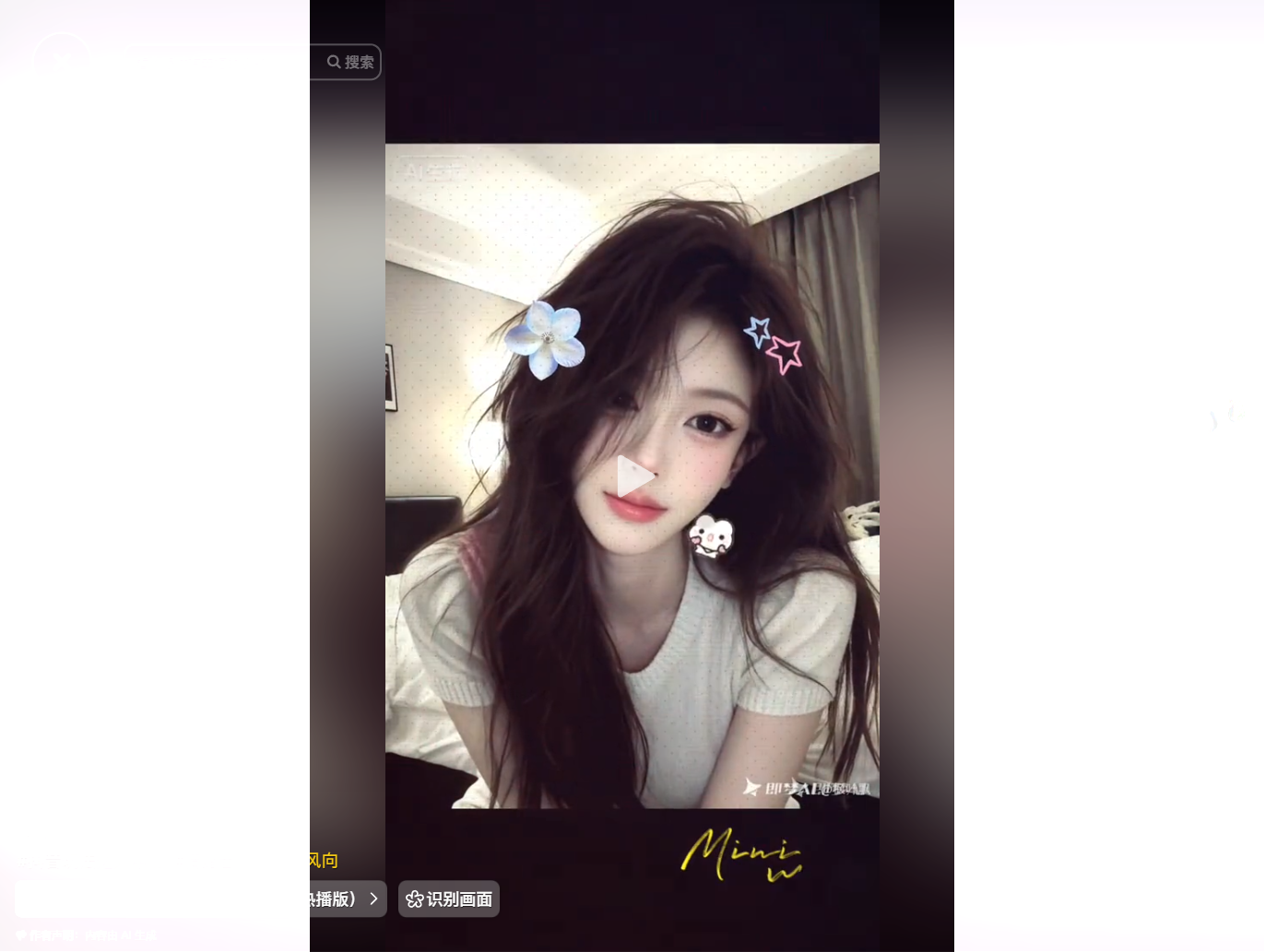
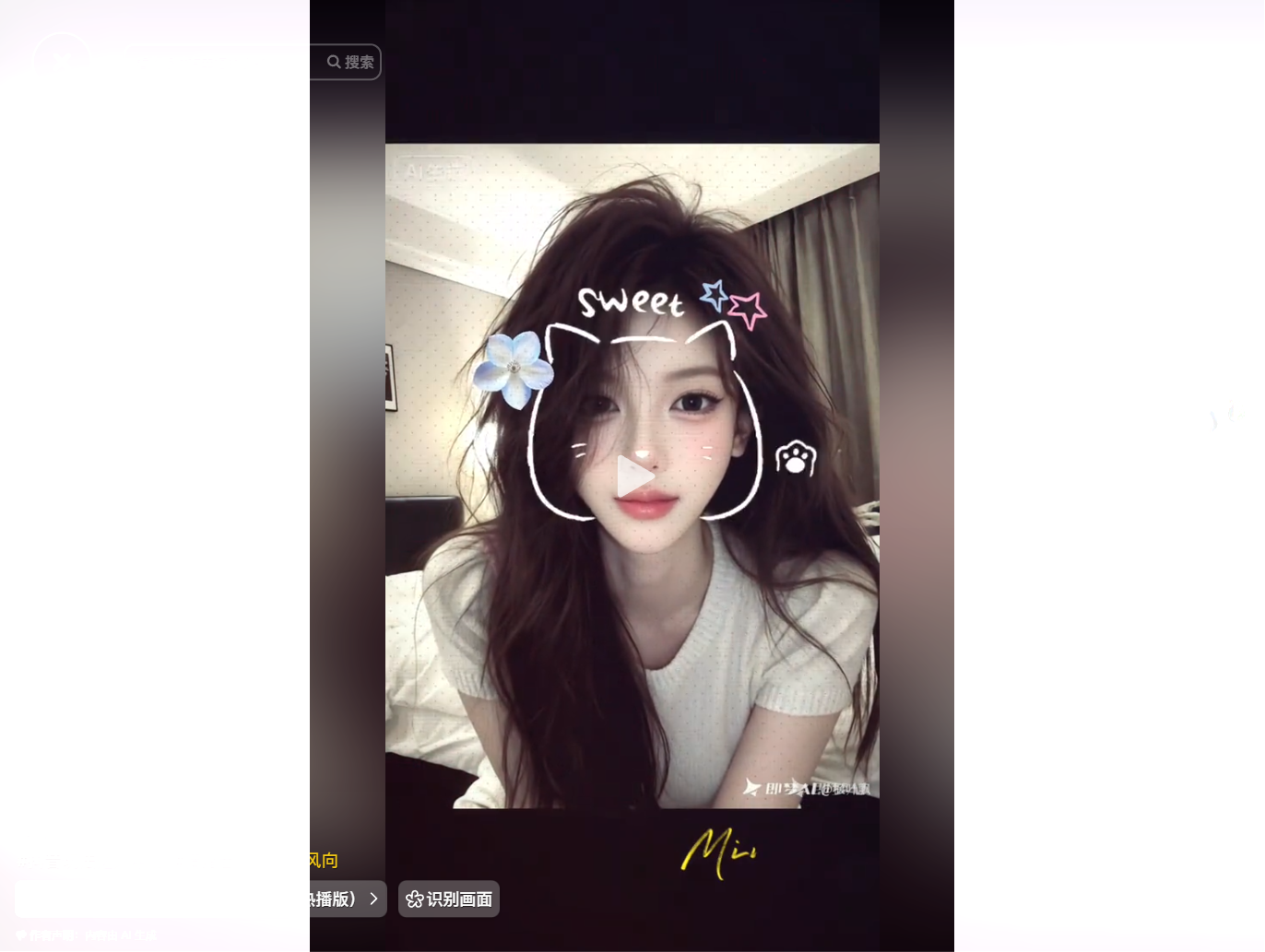
The video presents a quintessential example of "emotional music" content, featuring synchronized hand gestures set to trending romantic audio. Visually, it offers a soothing,治愈 (healing) aesthetic designed to evoke intimacy and warmth through lyrics like "I really love you." However, the on-scene atmosphere fractures when observing the audience response. Instead of engaging with the choreography or emotional narrative, the comment section has transformed into a transactional bulletin board. Users are not asking for dance tutorials but are aggressively spamming engagement bait, treating the video merely as a backdrop for follower acquisition. Simultaneously, a layer of uncanny valley suspicion permeates the feed, with viewers debating whether the protagonist is human or an AI-generated construct. This creates a jarring dissonance: the content performs sincerity, while the audience performs algorithmic desperation, turning a moment of connection into a data-driven battlefield.
The Voices
01. The Transactional Engagement Economy
"Just type 1, guaranteed to hit 5000+ tomorrow"
"Like pics 1, 2, and 4 to gain 999+ followers daily"
"Typing 1 everywhere just to gain 1000+ followers"
Think Tank Insight: This phenomenon represents the gamification of social validation. Comments have ceased to be communicative acts and have become functional tools for algorithmic manipulation. The specific numerical targets indicate a commodified view of community, where human interaction is reduced to measurable metrics and reciprocal transactions rather than genuine connection.
02. Authenticity Crisis in the AI Era
"The female lead in this AI comic is absolutely stunning"
"Omg what level of beauty is this? It hit me right in the feels"
"How is your footage so clear?"
Think Tank Insight: Audience perception is now filtered through technological skepticism. Even when beauty is admired, it is simultaneously interrogated for artificiality. This reflects a broader cultural anxiety where digital perfection triggers doubt rather than aspiration, forcing creators to constantly prove their humanity against increasingly sophisticated synthetic media standards.