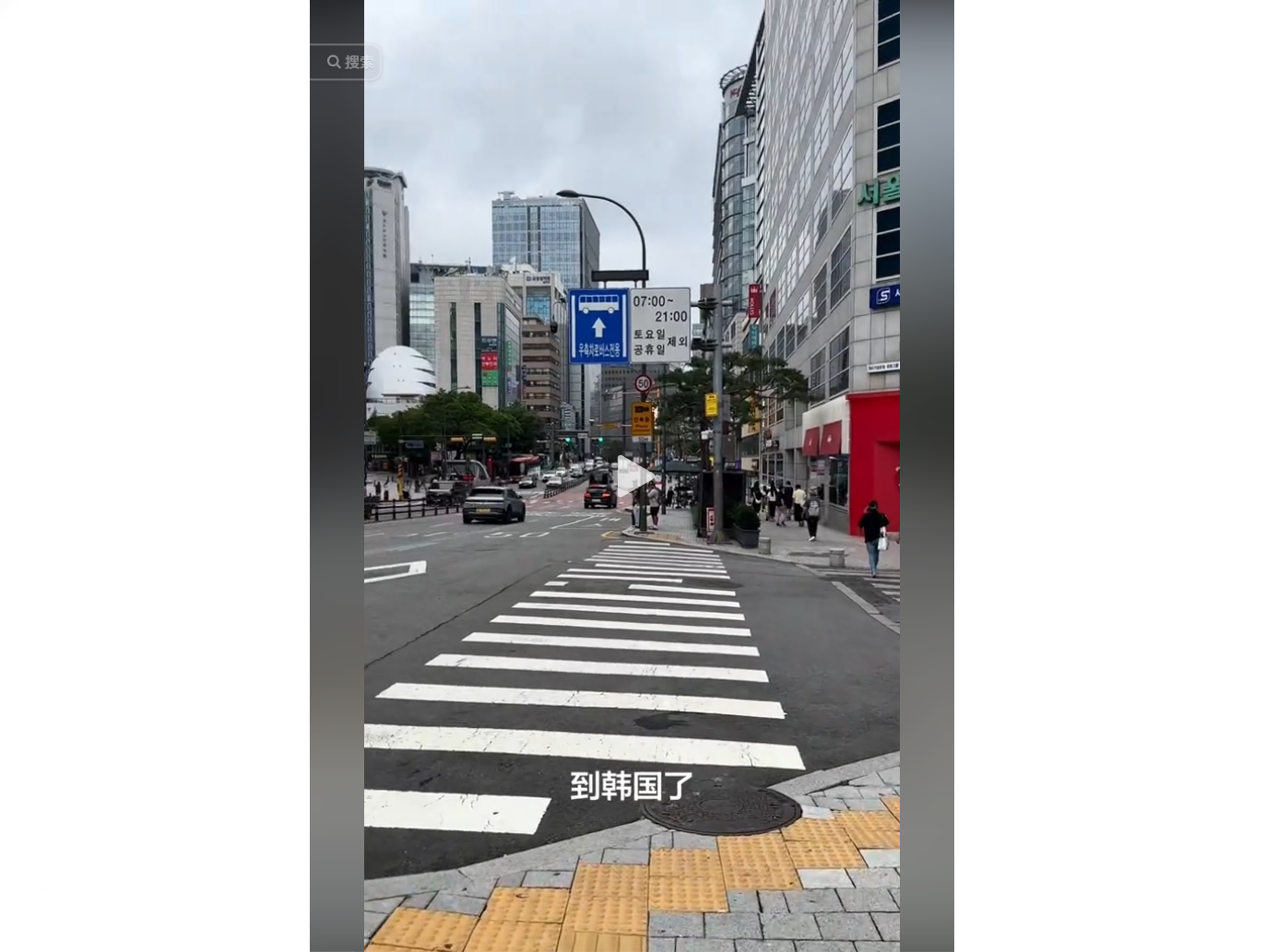
The Hook
A candid street-level video is dismantling romanticized perceptions of South Korea, replacing polished drama aesthetics with raw reality. From communication breakdowns to surprising familiarity, viewers are confronting the unvarnished truth of travel, sparking a massive debate on expectations versus actual experience.
The Story
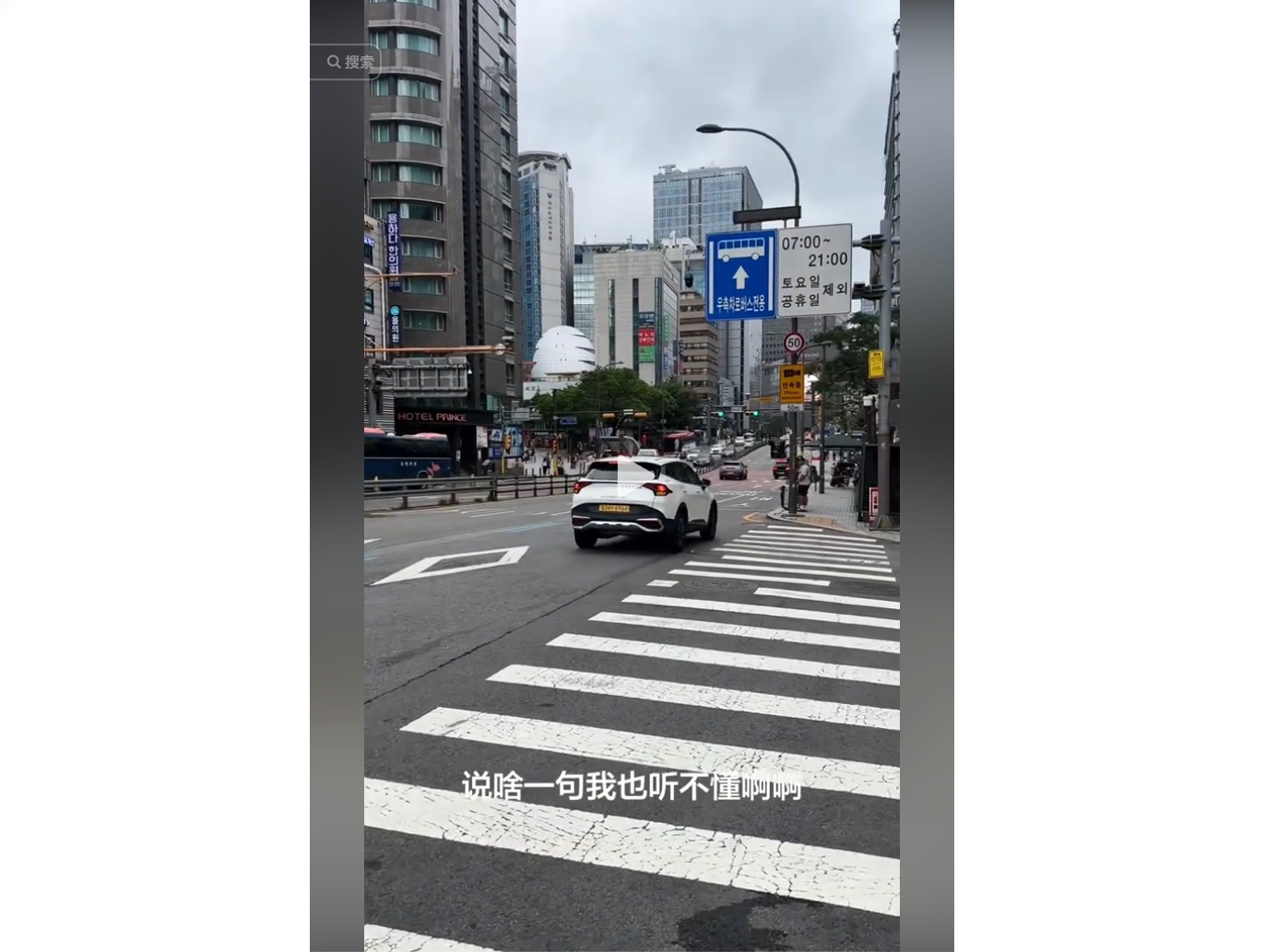
The footage captures an unfiltered arrival in South Korea, stripping away the glossy veneer often associated with Hallyu culture. Rather than showcasing pristine idols or dramatic romance, the lens focuses on the gritty texture of daily navigation: the confusion of transit systems, the cacophony of mixed languages, and the visual déjà vu of streets that mirror Chinese cities. This visual narrative serves as a catalyst for a broader digital confession booth where travelers trade idealized fantasies for practical survival guides.
The emotional atmosphere shifts from awe to pragmatic anxiety. Viewers are not discussing plotlines but decoding survival strategies, revealing a collective disillusionment with the "Korean filter." The scene is less about cultural appreciation and more about logistical negotiation, where body language becomes a universal dialect and translation apps serve as essential lifelines. It is a story of cognitive dissonance, where the destination remains the same, but the perception has been radically recalibrated by the friction of reality.
The Voices
01. The Linguistic Survival Kit
"My combo: Korean + English + Papago + Chinese"
"Communication is completely blocked, but body language works"
"For me, it's Papago + a few words of English + sign language"
Think Tank Insight: Language barriers have evolved from obstacles into active engagement tools. Travelers no longer seek fluency but rather assemble hybrid communication ecosystems. This reflects a shift from passive consumption of foreign cultures to active, tech-mediated negotiation, where digital interfaces and physical gestures bridge the gap left by traditional language learning.
02. Dissolving Borders and Déjà Vu
"I'm having déjà vu—this looks so much like a certain place back home"
"Tourist areas are full of people speaking Chinese"
"It's not much different from back home"