The Hook
A viral tutorial promising effortless "mature chic" home photography has sparked a digital identity crisis. While viewers eagerly save the poses, the comment section reveals a collective realization: technical skill cannot bridge the chasm between influencer aesthetics and everyday reality.

The Story
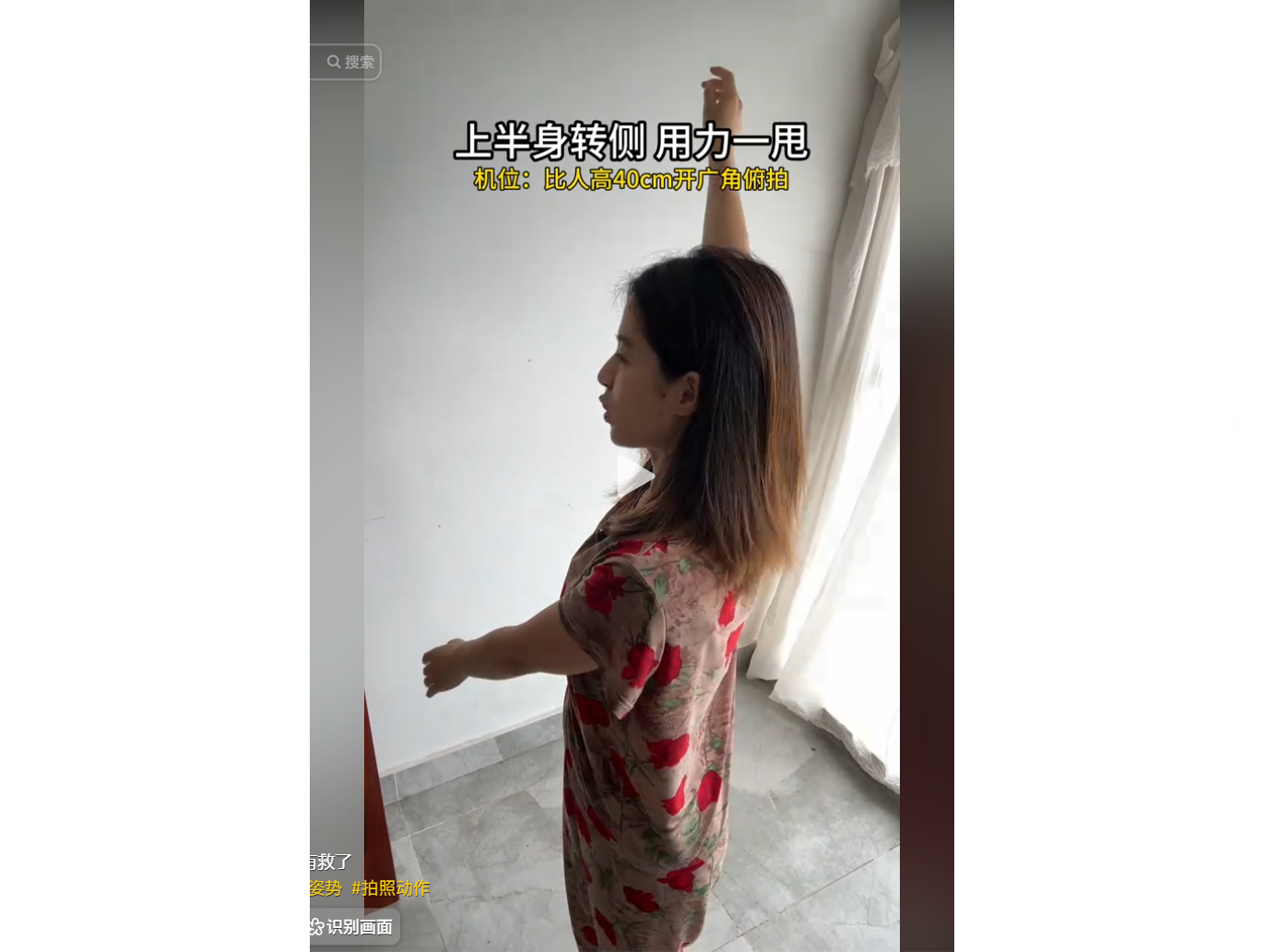
The video presents a masterclass in "light mature" home photography, offering simple gestures to replace the dreaded stiff peace sign with an air of sophisticated ease. However, the on-screen perfection clashes violently with audience reception. What was intended as an empowering guide has transformed into a mirror reflecting deep-seated appearance anxiety. Viewers attempt to replicate the serene atmosphere, only to confront their own perceived inadequacies regarding facial symmetry and photogenicity. The narrative has shifted from learning composition to lamenting genetic lottery outcomes, turning a practical creative prompt into a complex social commentary on beauty standards, celebrity lookalikes, and the frustrating disconnect between visual literacy and physical execution.
The Voices
01. The Tyranny of Facial Aesthetics
"I've learned the pose, but what if my face isn't..."
"Remember: photography is mainly about the face."
"When you're good-looking, you can pull off any pose."
Think Tank Insight: This dominant sentiment exposes the fallacy of technical tutorials in a颜值-centric (beauty-first) digital culture. Audiences acknowledge that compositional advice is secondary to biological privilege, suggesting content creators inadvertently reinforce exclusionary beauty standards rather than democratizing aesthetic expression through accessible techniques.
02. The Cognitive-Motor Disconnect
"My eyes have learned it, but when it's time to shoot..."
"Tried the same pose and ended up deleting all the photos."
"I feel like I memorized everything while watching, but..."
Think Tank Insight: The gap between passive consumption and active creation defines modern digital frustration. This phenomenon highlights the illusion of competence provided by short-form video; viewers mistake understanding the theory for possessing the embodied skill, leading to immediate self-rejection when reality fails to match the curated feed.