
The Hook
A viral video urges resilience through smiling, yet the comments reveal a starkly different reality. Beneath the motivational veneer lies a digital confessional where lonely birthdays and adult exhaustion expose the raw gap between inspirational ideals and the silent struggles of modern life.
The Story
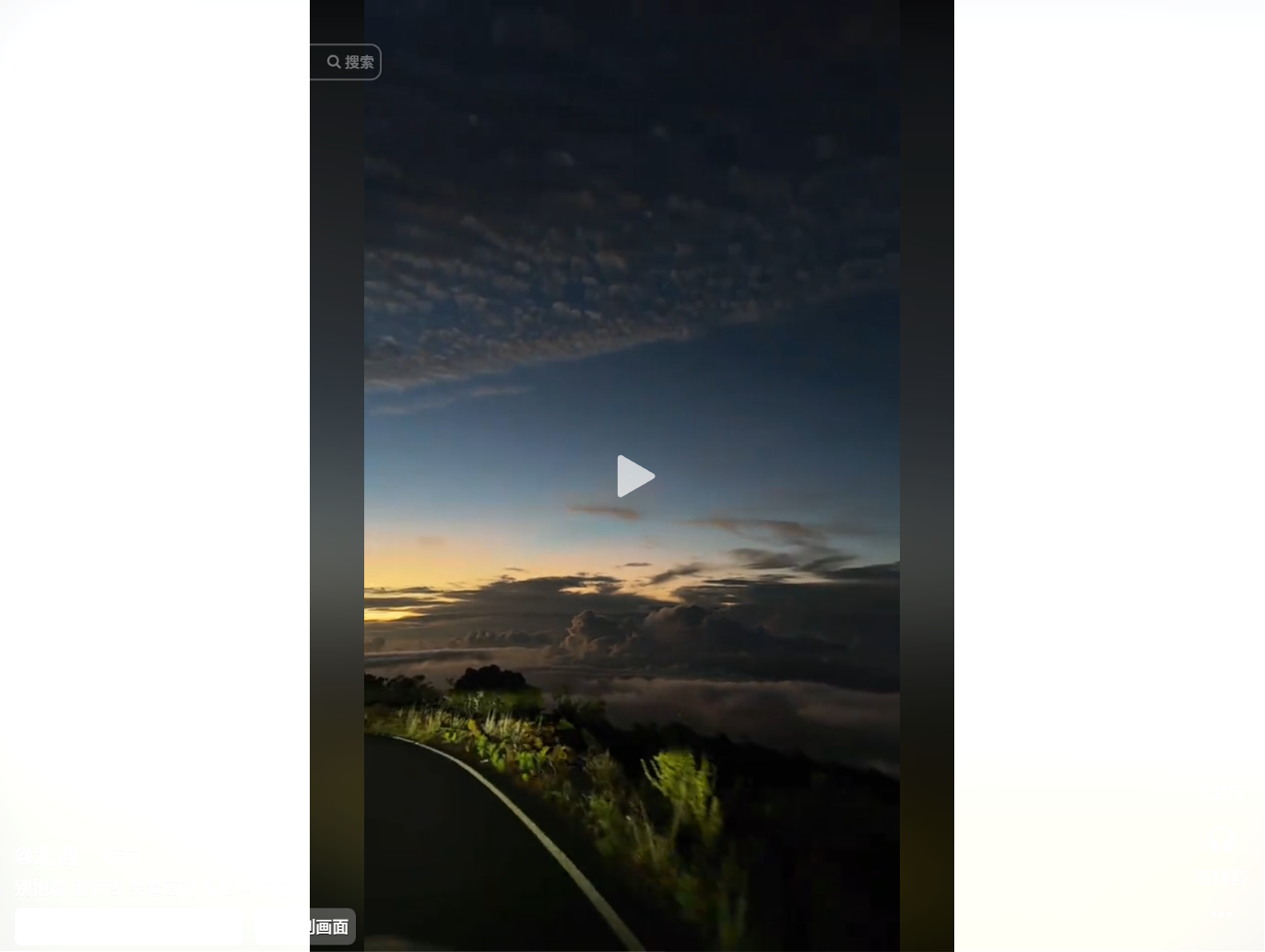
The video "Don't Complain, Face Life with a Smile" presents a polished narrative of stoicism, featuring mountain teachers and disabled youth overcoming adversity under the banner of self-reliance. It culminates in an ancient call for ceaseless self-improvement, aiming to inspire viewers to transform suffering into strength. However, the comment section subverts this curated optimism, transforming the space into an impromptu support group. Instead of echoing the call to action, users confess profound isolation, marking forgotten birthdays and admitting to drinking alone at midnight. The juxtaposition is jarring: while the screen preaches upward mobility and emotional fortitude, the audience articulates a collective fatigue. The stars mentioned in the creative prompt remain distant; down here, people are not seeking enlightenment but simply asking to be held, revealing that for many, the first step isn't striving—it's surviving the silence.
The Voices
01. The Ritual of Digital Begging for Warmth
"It's my birthday today, and my phone is so quiet."
"Give me a hug, I'm so tired [Crying]"
"Can someone cheer me on?"
Think Tank Insight: The comment section has evolved into a surrogate intimacy infrastructure. When traditional social bonds fail to provide validation during milestones, strangers become the primary source of emotional sustenance. This phenomenon signals not just loneliness, but a systemic collapse of offline community support networks in atomized urban societies.
02. The Performance of Adult Stoicism
"Out drinking beer alone at 12:30 AM—tell me, who understands?"
"Life is about crying where no one can hear you..."
"In an adult's world, half is spent hustling to survive..."
Think Tank Insight: These confessions deconstruct the toxic positivity often associated with resilience narratives. Users acknowledge that "facing life with a smile" is frequently a performative mask worn over private devastation. The discourse suggests a growing rejection of relentless optimism in favor of validating shared vulnerability as a legitimate coping mechanism.