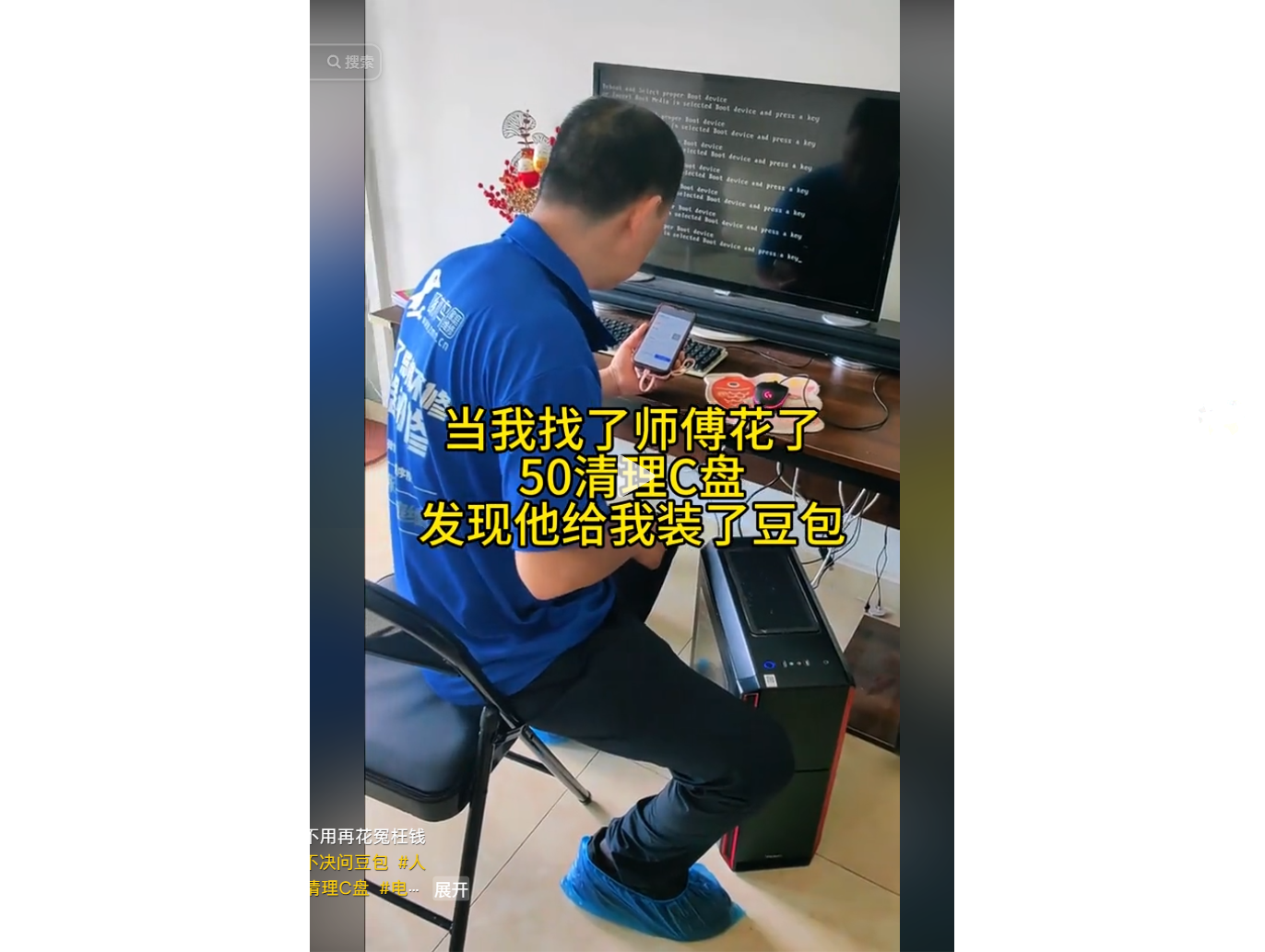
The Hook
A viral video depicting a repairman using Doubao AI to clean a C-drive has sparked intense debate. Far from exposing laziness, the interaction highlights a shift in digital literacy, where paying for service now means purchasing an AI tutorial rather than manual labor.
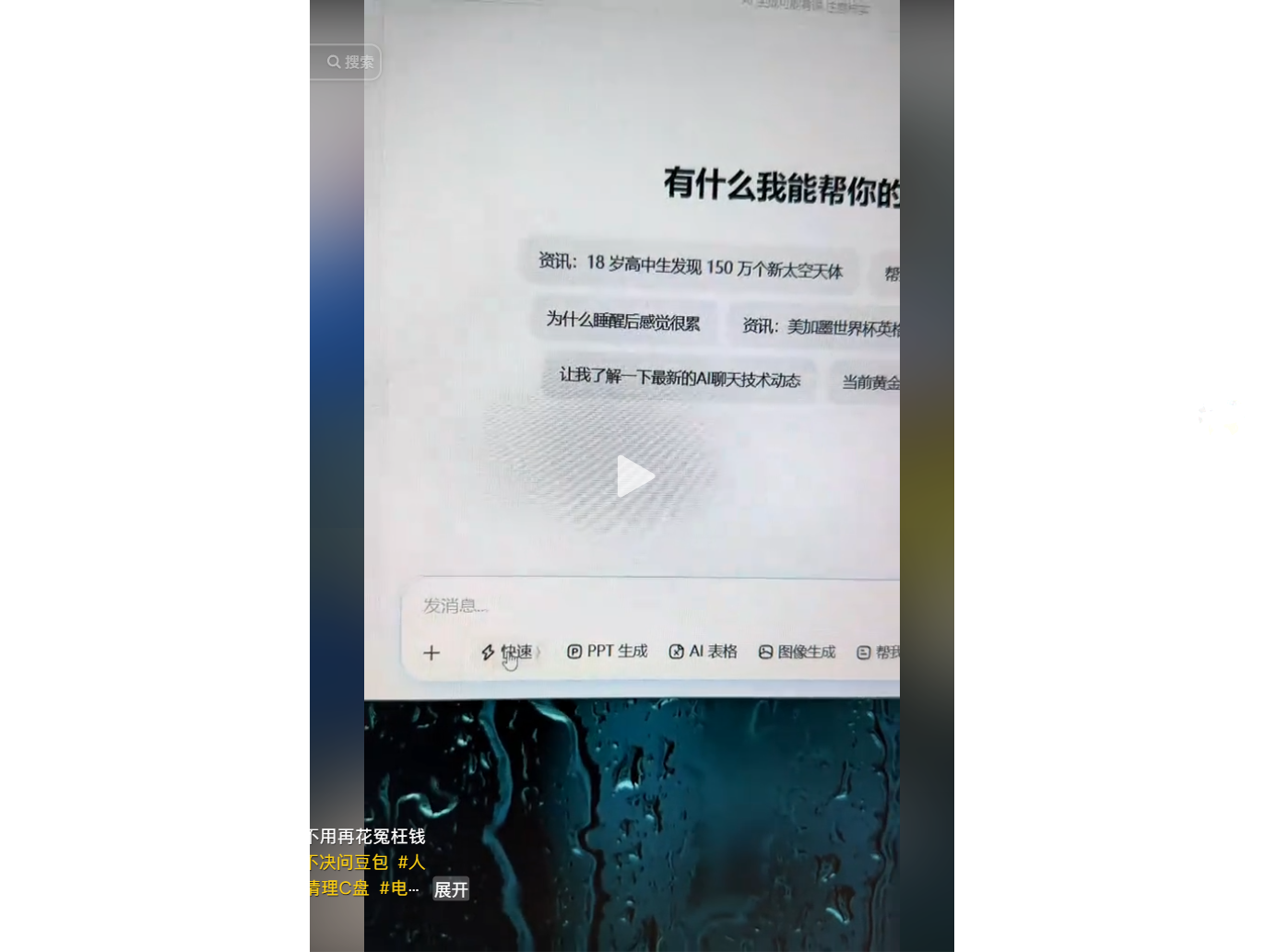
The Story
The video captures a deceptively simple transaction: a user hires a technician for computer maintenance, expecting traditional manual troubleshooting. Instead, the worker immediately downloads Doubao, generates a cleanup script, and executes it. This scene transforms a routine service call into a meta-commentary on modern tech support. The emotional atmosphere oscillates between amusement and anxiety; viewers are torn between admiration for the technician’s efficiency and fear of algorithmic error. The narrative arc isn't about fixing a computer, but about the transfer of agency from human hands to artificial intelligence. It reframes the "repairman" not as a laborer, but as an educator teaching the client how to leverage AI tools, effectively turning a paid service into a lesson in prompt engineering and self-sufficiency.
The Voices
01. The Value Shift: Service vs. Education
"That 50 yuan was well spent—you even learned a new skill."
"Give a man a fish and you feed him for a day; teach him to use AI and he cleans his own drive forever."
Think Tank Insight: This sentiment signals a fundamental revaluation of technical labor. Consumers no longer pay solely for outcomes but for the democratization of capability. The transaction has evolved from outsourcing drudgery to acquiring AI literacy, suggesting that future service economies will prioritize knowledge transfer over task execution.
02. Algorithmic Anxiety and Accountability
"If something goes wrong later, are you gonna blame Doubao?"
"I wouldn't even dare use ChatGPT for this, but Doubao feels safer somehow."
Think Tank Insight: Users exhibit a paradoxical trust dynamic, seeking safety in specific models while fearing systemic fragility. This reflects a broader psychological struggle with AI agency; people want automation's convenience but lack a framework for assigning liability when automated scripts interact with critical personal infrastructure like system drives.