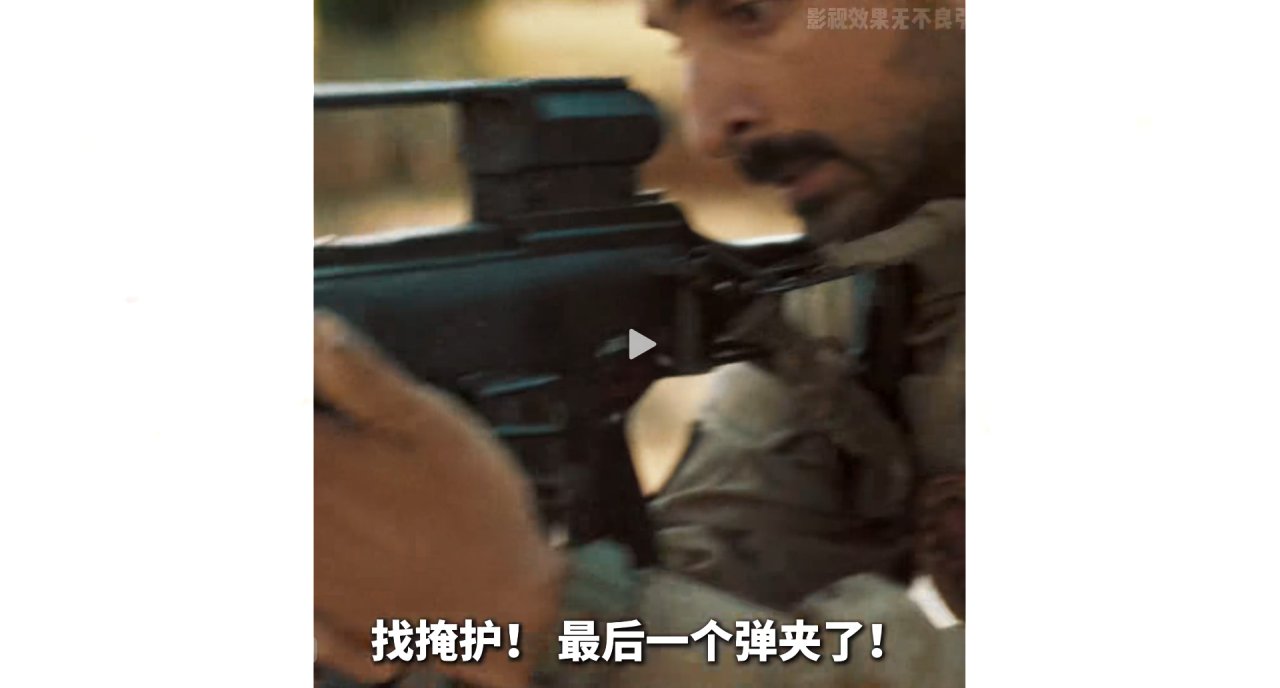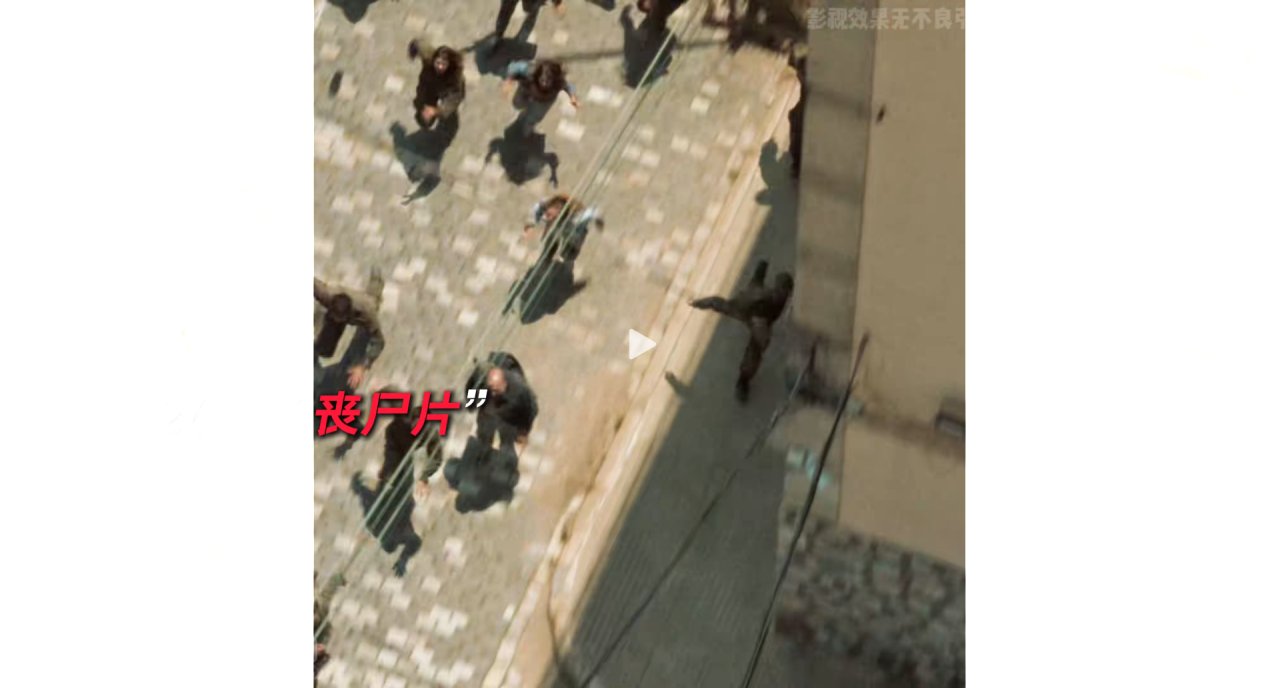
The screen goes dark for a moment before the chaos erupts. A rabies-like virus has swept across the globe, turning neighbors into monsters. In this vertical short drama, the protagonist is not a soldier or a scientist, but an ordinary man trying to find his father. The search is frantic, desperate, and cut off by the relentless horde.
We know where the son is. We do not know where the father is. This gap in information drives every scene. The plot stops here, leaving the audience hanging on the edge of their seats.
The Logic Breakdown
Viewers are quick to point out the flaws in military response. One comment reads: 「小时候玩4399的僵尸危机的时候我都知道用重武器」. Another adds: 「如果热武器压制不住丧尸,那么只能说明你的热武器还不够热」. The frustration is palpable. Why would special forces lack RPGs or mortars? As one user puts it: 「特种部队怎么会没有rpg 榴弹炮 迫击炮呢」.
This criticism highlights a common trope in zombie fiction: the sudden disappearance of firepower. It feels like a cheat code against realism. Yet, the story relies on this vulnerability to keep the tension high.
Fire and Steel
Some argue that fire is the ultimate solution. 「记住,没有碳基生物不怕火的。」 states one observer. Others suggest simpler traps. 「找个河边 水位深一点 拉几千条超级细的螺纹钢丝」 describes a low-tech but effective method. The debate isn't just about weapons; it's about survival logic.
| Emotional facet / observation dimension | Group consensus share |
|---|---|
| Hot Weapons vs. Zombies | 50% |
| Questioning Zombie Survival Logic | 30% |
| Strategic Solutions | 20% |
The table above reflects the dominant themes in audience reactions. Most viewers are obsessed with why the heavy artillery isn't working. They want a clear answer to why the virus persists despite overwhelming force.