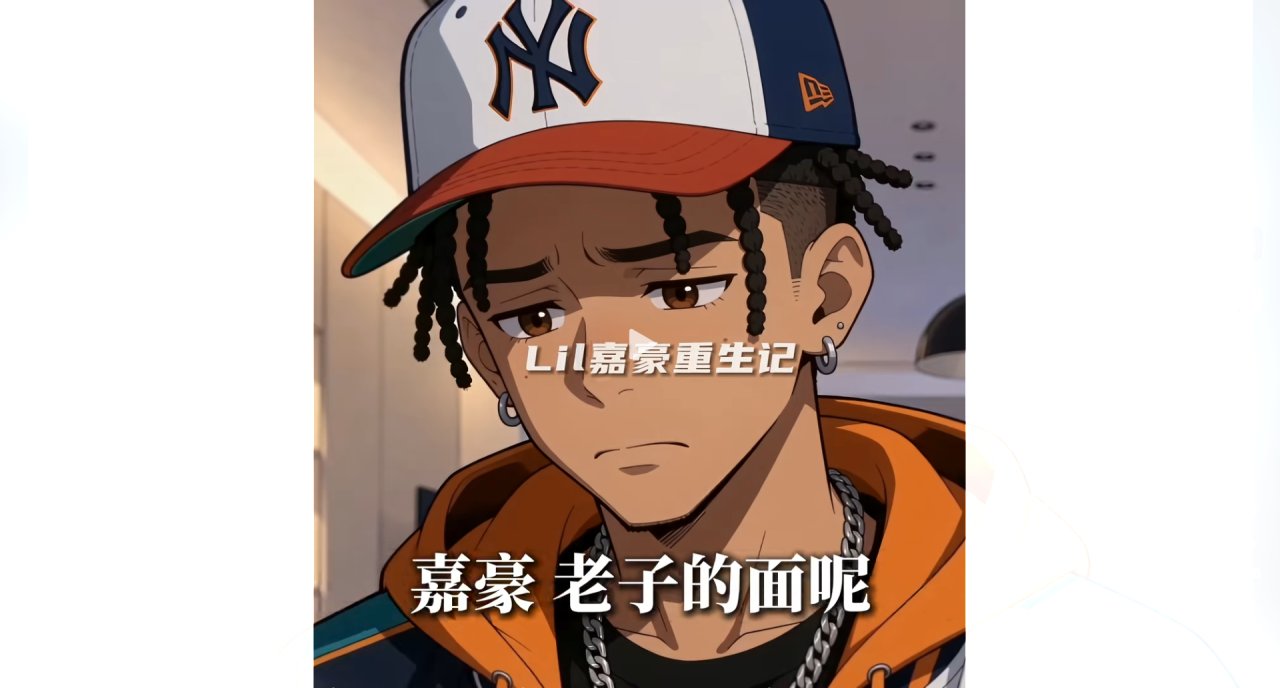
The screen goes black, not because of a technical glitch, but because someone reached back in time and pulled the main breaker. In this short drama, the protagonist isn't trying to win a battle with lyrics; he is trying to stop one before it starts. Dressed as an early producer in 2026's retro-fitted timeline, his mission is singular: prevent the fallout.
He gets ten points of street reputation for forcing a livestream shutdown. It’s a bizarre victory condition. You don't get clout by dropping the hottest track; you get it by killing the vibe before it turns toxic. The episode ends right as two rivals are about to meet, leaving the outcome suspended in that heavy, electric silence.
Rewinding the Beef
The plot hinges on a concept familiar to anyone who has ever wished they could undo a bad text message sent at 2 AM. Here, the wish is literal. The setting shifts from the flashy stage of a championship win to the gritty, dimly lit offices of a hip-hop label years prior.
The conflict isn't resolved through dialogue or mediation. It is resolved through infrastructure. By cutting the power, the protagonist disrupts the momentum of an argument that was spiraling out of control online. It’s a physical intervention in a digital war. The 'new task' mentioned in the title implies a system where social harmony is measured in points, turning emotional labor into a quantifiable game mechanic.
Audience Voices
The comment section reflects a mix of desperation and amusement. Users are split between wanting the next episode immediately and analyzing the absurdity of the premise.
「Main creator, please update quickly! Even Sakee...」
「If you dare to update, I don't dare to watch. [...」
「What does 'saving Chris Wu' mean? [Looking]」
The consensus here is clear: the audience is hooked by the cliffhanger. They are willing to suspend disbelief for the sake of seeing how these characters interact, even if the method—pulling a plug—is ridiculous. The desire for resolution outweighs the logic of the plot.
| Emotional facet / observation dimension | Group consensus share |
|---|---|
| Urgency for continuation | 45% |
| Curiosity about character motives | 30% |
| Amusement at the 'power cut' solution | 25% |
The Weight of Ten Points
In most dramas, saving a relationship costs pride. Here, it costs electricity. The protagonist earns ten points of street reputation for stopping the broadcast. This metric feels arbitrary yet strangely realistic within the context of influencer culture, where attention is currency and disruption is value.
The tension lies in what happens next. The video stops just as the parties are set to meet. Will they talk? Will they fight? Or will the lack of internet force them to confront each other face-to-face without the buffer of screens? The ambiguity is the point.
Why We Can't Look Away
There is a specific type of anxiety attached to unfinished stories, especially when they involve public figures whose real-life personas bleed into fiction. Viewers aren't just watching a plot; they are watching a simulation of their own desires to fix broken friendships or halt public scandals.
One commenter noted, 「It's just a pure time-travel mission; didn't ev...」, suggesting that the stakes feel low until the personal connections raise them. Another wrote, 「My whole family wants to see Episode 2.」, indicating that this niche genre has crossed over into mainstream curiosity.
Where the Story Ends
You can find this exact scenario playing out in the Palmbox app, where short-form narratives thrive on these high-concept twists. The platform allows users to experience these micro-dramas in bursts, perfect for that afternoon slump when you need a quick hit of intrigue. The story pauses here, but the conversation doesn't.
Sometimes, the best way to solve a problem is to turn it off.