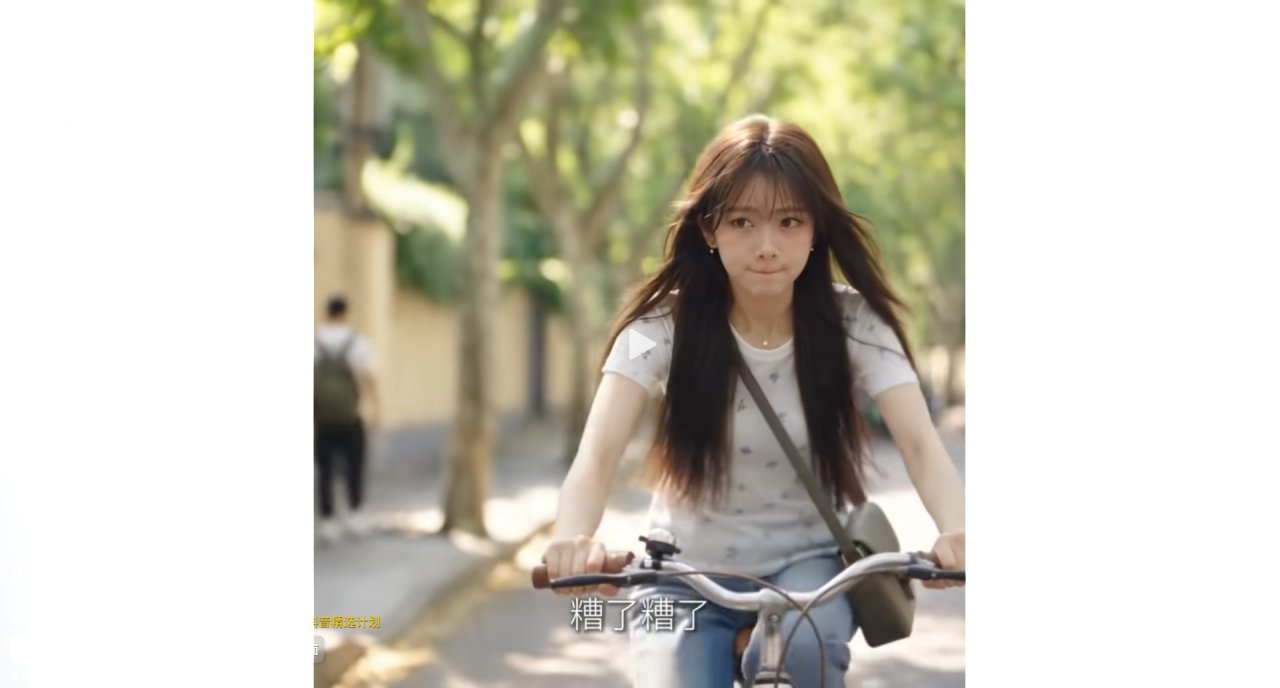
The Hook
A viral AI-generated short drama has captivated audiences with a relatable romantic cliffhanger, only to trigger mass frustration over its single-episode release. The gap between immersive storytelling and abrupt availability has sparked a digital meltdown.

The Story
The narrative centers on Lin Zhixia, a 25-year-old starting her first day at a convenience store job. In a twist of cruel fate, she encounters Wang Yu, the ex-boyfriend who vanished two years ago without explanation. The scene captures the visceral shock of their reunion: he buys water with eyes that seem to look through her, as if they are strangers. While colleagues tease about his proximity, Lin’s internal monologue reveals a chaotic mix of anger, confusion, and lingering attachment. The episode concludes with Wang Yu returning to whisper, “Long time no see, Lin Zhixia,” leaving viewers hanging in suspense. Produced using advanced AI video generation tools, the series mimics high-quality cinematic aesthetics, blurring the line between reality and synthetic creation, yet its most potent emotional impact comes from what it refuses to give: closure.
The Voices
01. The Cliffhanger Rage
“I hate people like this! Only posting one episode...”
“How dare you post just one episode? [Crying]”
“Next time, don't serve it unless Episode 2 is ready.”
Think Tank Insight: This sentiment highlights a growing consumer intolerance for fragmented content strategies. Audiences feel manipulated by algorithmic teasers that prioritize engagement metrics over narrative satisfaction, viewing the lack of immediate sequels as a breach of trust.
02. Algorithmic Anxiety
“Why do I always end up seeing the first episode...”
“What's wrong with you? Why are you showing me t...”
“Am I such a terrible person? Why is everything ...”
Think Tank Insight: Users express a sense of helplessness against recommendation engines that trap them in loops of incomplete stories. This reflects a broader digital fatigue where algorithms curate curiosity but fail to provide resolution, creating a cycle of dopamine hits followed by withdrawal symptoms.
03. The Uncanny Valley of Emotion
“Current AI really feels human-like.”
“Is this Yang Yang's character model?”