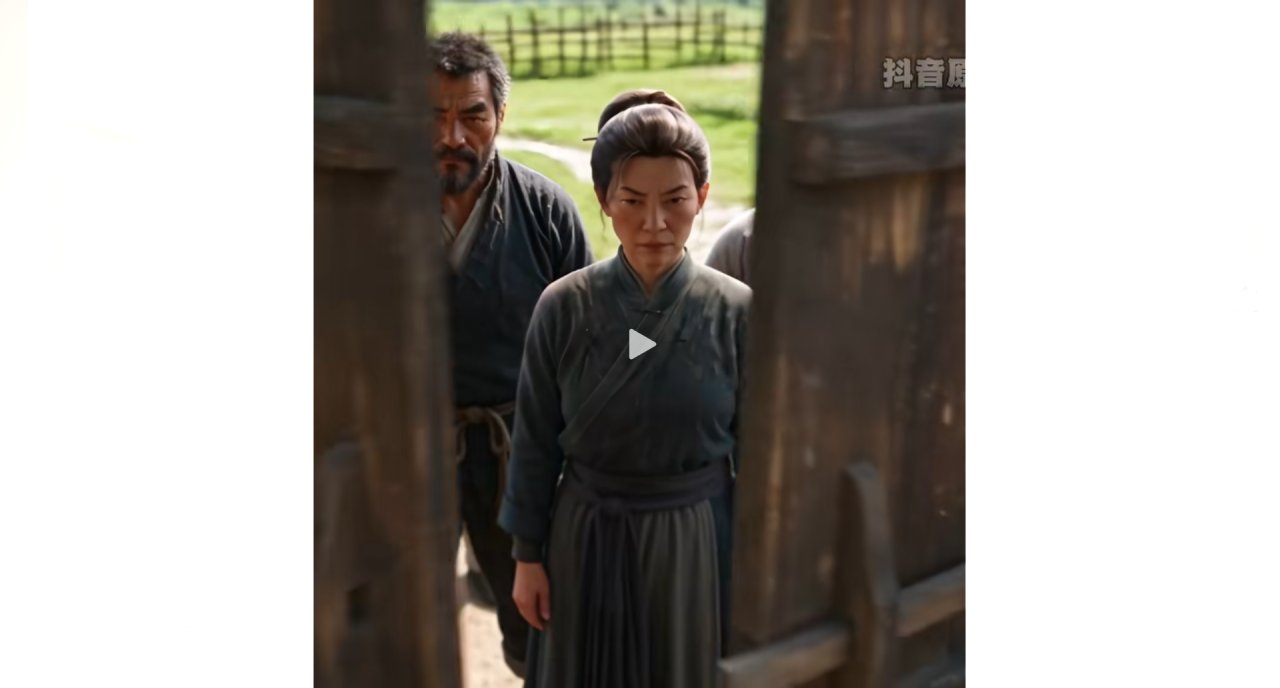
The Hook
A viral animated short featuring a talking toddler has captivated audiences, blending nostalgic family warmth with modern AI production controversies. Viewers are torn between the charm of the digital characters and skepticism about synthetic authenticity.
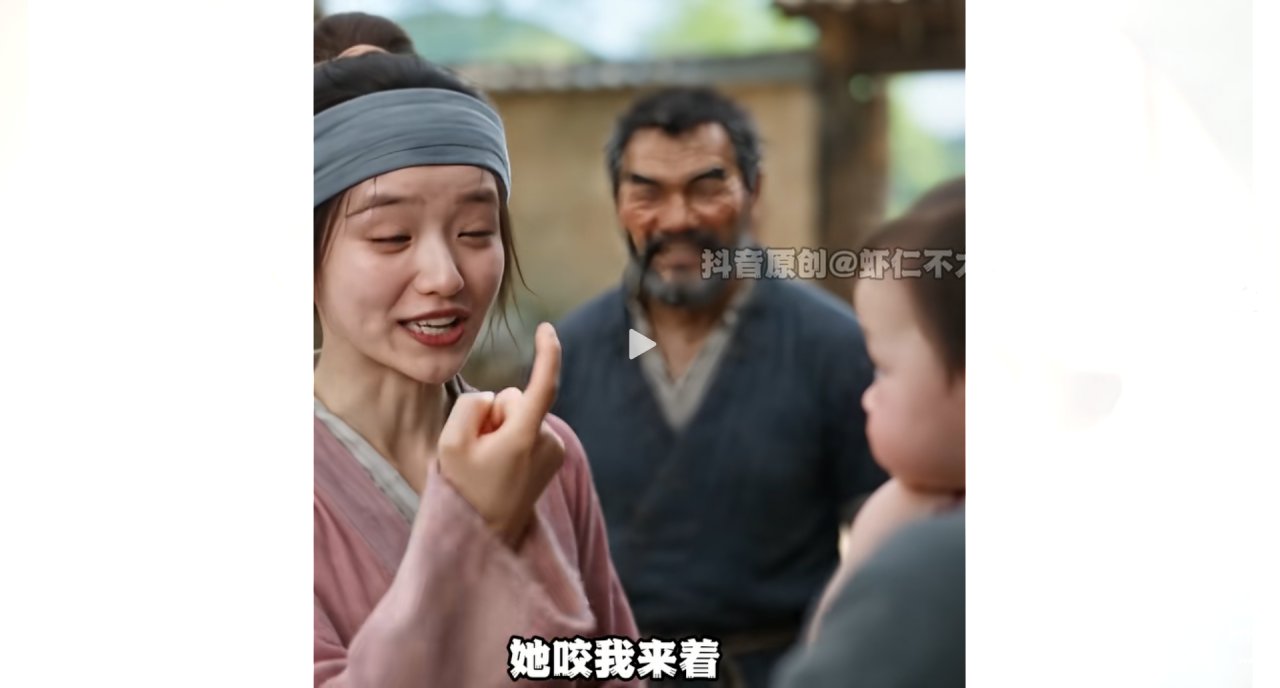
The Story
The narrative centers on “Baozhu,” an adorable animated toddler who begins to speak, creating a heartwarming yet humorous domestic scene. Set in a bustling multi-generational household, the story follows Baozhu’s interactions with her parents, aunties, and grandparents. A pivotal moment occurs when the family debates whether she will call out for “Dad” or “Mom” first, culminating in a clear shout for “Dad” that delights the father.
Beyond the plot, the visual and auditory style has sparked intense discussion. The animation depicts a traditional, warm family atmosphere—complete with handmade snacks and communal care—but the execution reveals its artificial origins. Critics point to uncanny voice acting and character designs that seem derivative, while fans appreciate the light-hearted, slice-of-life rhythm that appeals to both children and adults seeking comfort in digital storytelling.
The Voices
01. The Uncanny Valley of AI Production
“It's obvious they haven't tamed the AI.”
“Why is there suddenly a Taiwanese accent? Please don't change Baozhu's mother's accent.”
Think Tank Insight: Audiences are increasingly sensitive to the imperfections of generative AI. Inconsistent accents and unnatural voice modulations break immersion, highlighting the gap between human emotional nuance and current algorithmic capabilities in short-form drama.
02. Celebrity Lookalikes and Character Design
“Baozhu's mother looks a bit like Michelle Yeoh.”
“It really does sound like Michelle Yeoh's voice...”
Think Tank Insight: The resemblance to iconic figures like Michelle Yeoh serves as a meme-like anchor for viewers. This phenomenon suggests that users project familiar cultural icons onto generic AI-generated faces, creating a layer of meta-commentary that distracts from the original narrative intent.
03. Nostalgia vs. Modern Skepticism
“So fitting, feels like returning to childhood!!”