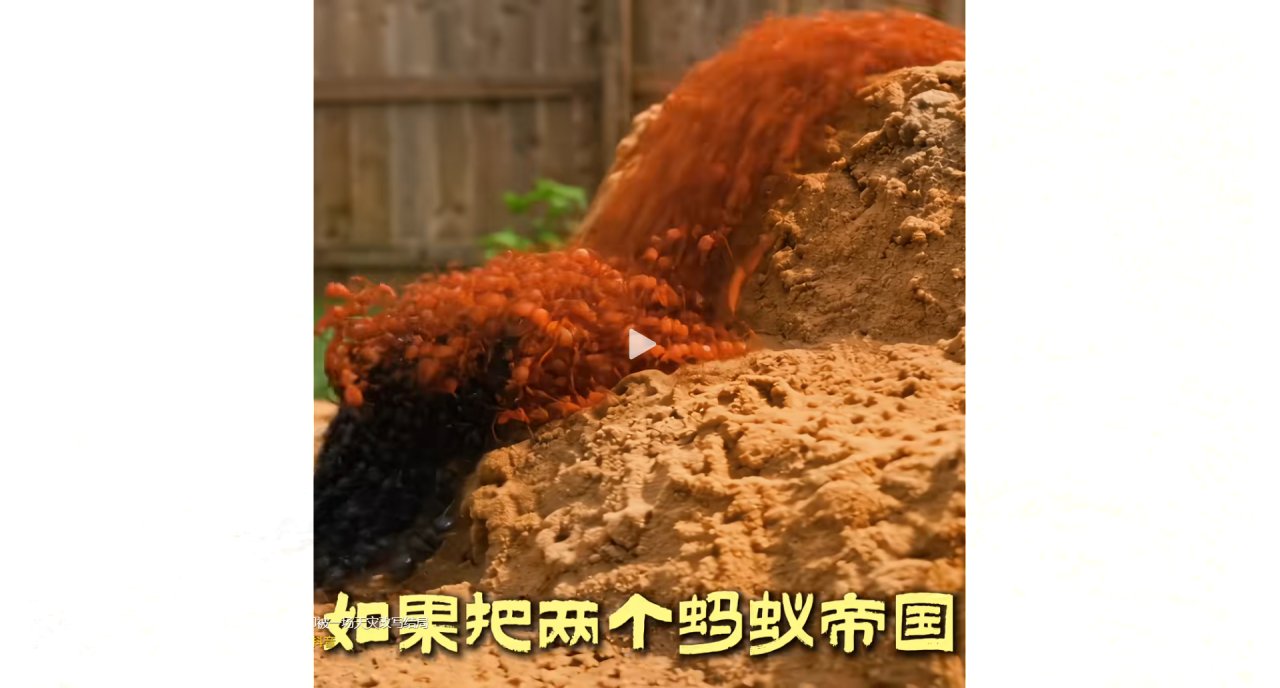
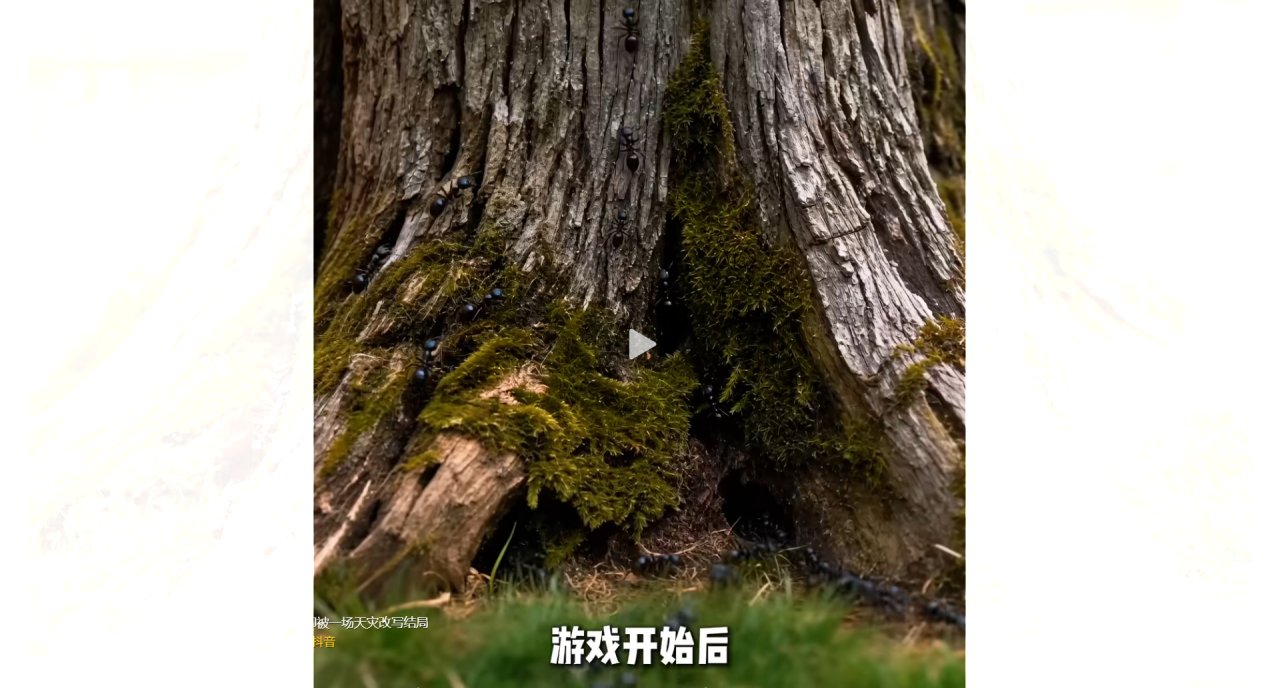
The screenshot is paused at 9:14 PM. It’s from a short-video platform, the kind where the algorithm feeds you one thing after another until you lose track of time. The image shows the base of an old tree, bark rough and gray-brown, split by deep vertical cracks that look like wrinkles in skin. Moss clings to the damp crevices, a velvet green against the hard wood. And there are ants. Not just one or two, but a swarm of black bodies moving with purpose along the trunk and into a dark hole near the roots. The caption says “After the game starts,” implying this isn’t nature documentary footage, but something staged, or at least framed as a battle. A war between two ant empires, interrupted by a natural disaster. You stop scrolling because the stillness of the frame contradicts the chaos described in the text. The ants don’t know they’re in a video game. They’re just working.
What the comments reveal
You read the comments before you understand what’s happening. That’s usually how it goes. One person says, “Red ants have already taken over Guangdong.” Another jokes, “City bumpkin hasn’t even seen this thing before.” Someone asks, “How do they communicate?” There’s a mix of awe, dismissal, and genuine confusion. Parents aren’t writing about pedagogy; they’re writing about what they saw on their own kitchen counters or garden beds. “Black ants will win! Fire ants are annoying.” This isn’t science literacy; it’s territorial recognition. People feel protective of their local ecosystem when they see invaders. They also feel silly for not knowing which ant is which. The skepticism is real too. “That’s not how it works at all.” If you try to explain pheromone trails or colony hierarchy, you’ll hit a wall of doubt. But if you show them the moss, the cracks, the specific shade of black on the exoskeleton, they might lean in.
The microscope without the mess
Wwai sits on the phone screen, right next to the pause button. No glass slides to break, no chemicals to smell, no fragile tweezers. The kid opens it himself, not because he was told to, but because he wants to see what’s under that leaf he stepped on earlier. The AI tutor doesn’t lecture. It waits. When the kid points to a cluster of cells or a movement pattern, the app zooms in, digitizing the specimen so he can trace the path of an ant or examine the structure of moss spores. Sometimes the answer isn’t clear. The tutor admits it. “I’m not sure why they turned left here. Want to check the library?” The kid checks. He argues with the simulation. He learns that observation requires patience, not just curiosity. It’s not about replacing school; it’s about giving him a place to practice looking closely when the world feels too loud.
A different way to look
Some parents want to control the narrative. They buy books, schedule museum trips, curate the feed. Others let the kid wander through videos until something sticks. Neither approach guarantees understanding. The first risks turning wonder into homework. The second risks leaving the kid alone with misinformation. Wwai offers a middle ground: guided exploration without judgment. The kid chooses the slide. The AI follows his lead. If he asks about fire ants vs. black ants, the app shows the difference in mandible structure, not just who wins the fight. It’s slow. It’s quiet. It’s not optimized for engagement metrics.
Try this at home
Go outside. Find a patch of moss on a tree or a rock. Don’t pick it. Just look at it. Use your phone camera, zoomed in. See how the leaves overlap? Now imagine those tiny structures are breathing. Or find an ant trail. Follow it with your eyes, not your feet. Where does it go? Does it change direction? Write down what you see, not what you think should be there. Then open Wwai. Search for “moss cellular structure” or “ant communication.” Compare your notes with the simulation. Did you miss anything? Did the app surprise you?
The video ends. The ants keep walking. The moss stays wet. Nothing is resolved, and that’s okay.