The Glitch in Destiny: AI Drama Sparks Debate on Fate, Free Will, and Digital Realism
Published: November 5, 2026 author: yunpoly
The Hook
A new AI-generated suspense drama has captivated audiences with its paradoxical plot where a daughter’s attempt to prevent her parents’ meeting accidentally ensures it. Viewers are torn between marveling at the hyper-realistic visuals and dissecting the philosophical implications of time travel loops.
The Story
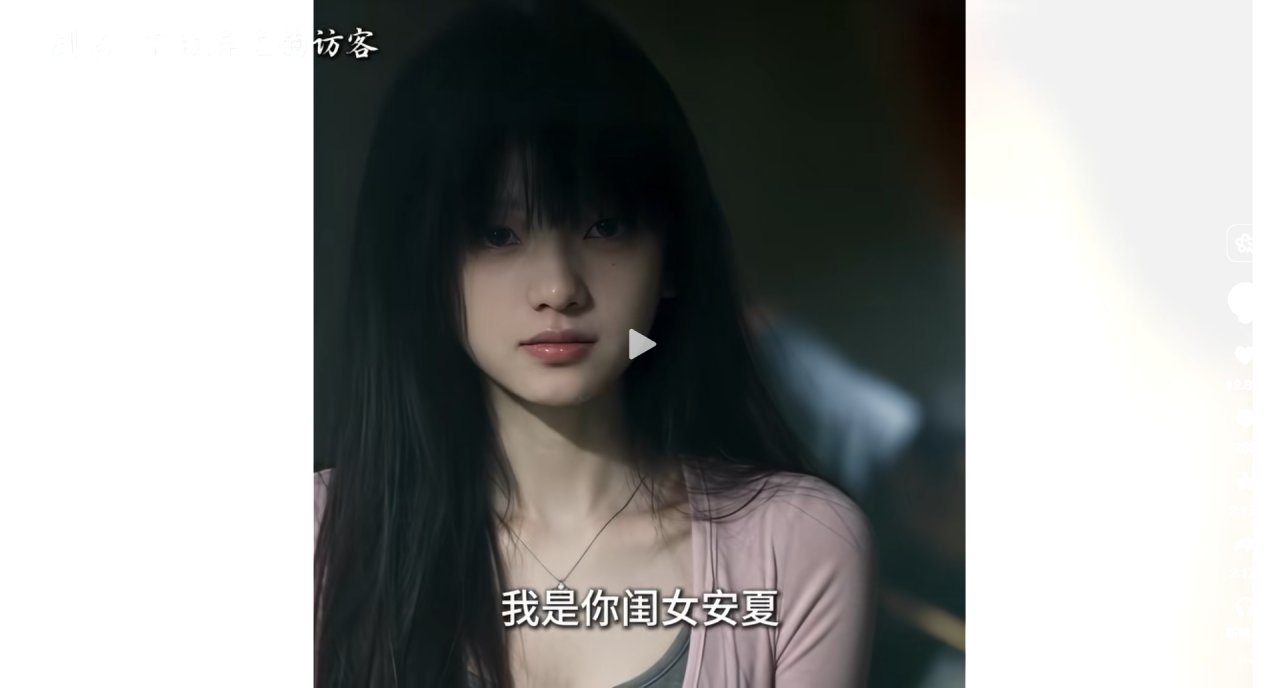
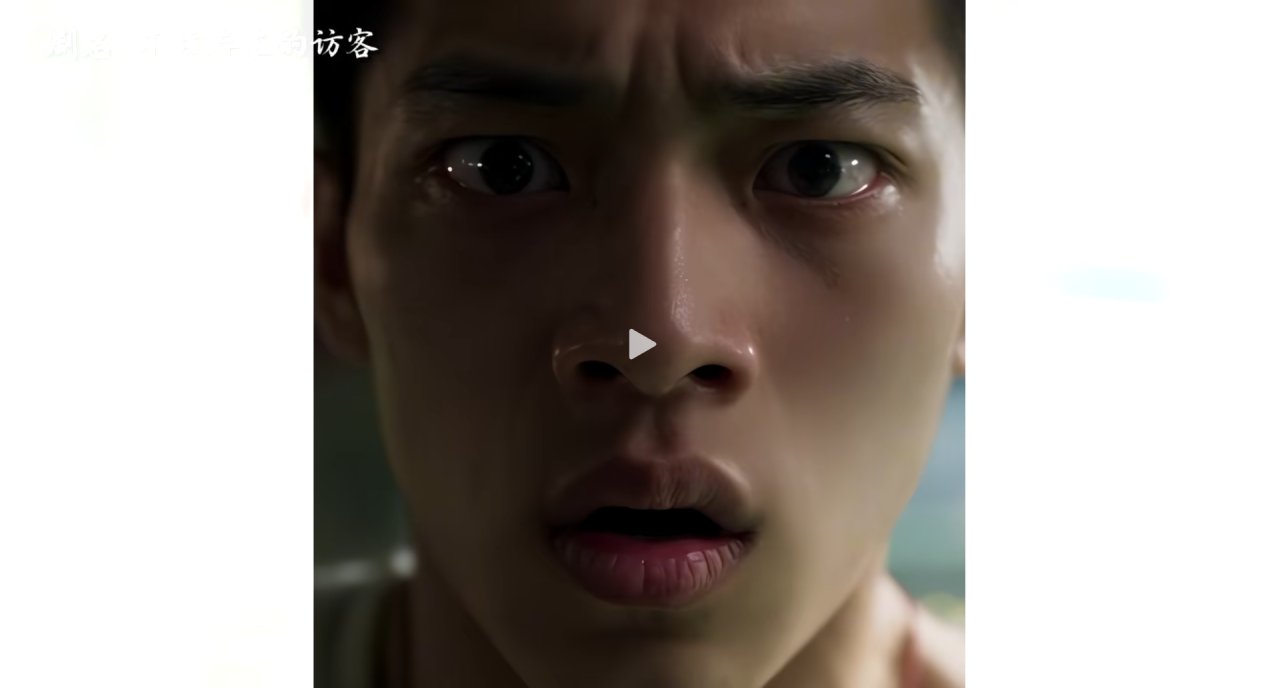
In the latest episode of this viral short-form series, the narrative centers on Yao Anxia, a 19-year-old from 2026 who travels back to 1990 to stop her father, Yao Shuai, from making a “wrong choice.” Her mission is clear: prevent him from visiting the Galaxy Roller Skating Rink, a place her mother claims led to their unhappy union. However, the story unfolds with ironic comedy. Instead of blocking the encounter, Anxia’s clumsy attempts to sabotage the date—spilling sugar water and getting caught in the rain—only serve to break the ice.
The turning point arrives when Anxia discovers that the “unhappiness” stemmed not from meeting her father, but from missing a different suitor, Li Dapeng. In a twist of fate, Anxia’s interference inadvertently pushes her father toward kindness, as he helps repair a stranger’s car—who turns out to be her mother, Xia He. By sharing grilled eggplant tailored to her taste, Yao Shuai seals his romantic destiny. Anxia realizes her efforts were merely “powering love,” accepting that some connections are destined regardless of intervention. The episode blends nostalgic aesthetics with modern AI technology, creating a seamless visual experience that blurs the line between synthetic media and reality.
The Voices
01. The Uncanny Valley of AI Production
“This AI is amazing! The skin texture, the details are indistinguishable from real life.”
“If this is AI, I’m marrying the female lead.”
“Did you feed real human faces into the AI?”
Think Tank Insight: The audience is deeply impressed by the fidelity of AI-generated characters, raising ethical questions about data sourcing. The comment section reveals a growing acceptance of synthetic actors, provided they evoke genuine emotional responses, signaling a shift in how viewers perceive authenticity in digital storytelling.
02. Philosophical Paradoxes and Time Loops
“Time travel and the grandfather paradox are being debated heavily here.”
“Exactly right, it’s a loop. Reminds me of a movie where everything was predestined.”
“Past, future, and present must all be changed according to one logic.”
Think Tank Insight: Viewers are engaging with complex temporal mechanics, treating the drama as an intellectual puzzle. The consensus leans towards a deterministic universe where free will is an illusion, reflecting a cultural fascination with closed-loop narratives that challenge linear perceptions of cause and effect.
03. Emotional Resonance and Relatability
“It’s so sweet! The daughter trying to fix things only makes them fall in love harder.”
“What a coincidence, my dad is also named Yao Shuai.”
“Actually, if humans really could travel back, we might realize our parents' choices were inevitable.”
Think Tank Insight: Beyond the tech and theory, the core appeal lies in the universal theme of parental relationships. The humor and warmth resonate strongly, allowing audiences to project their own family dynamics onto the screen, transforming a sci-fi premise into a heartfelt exploration of legacy and acceptance.
Word Cloud
Sentiment Dimension / Observation Lens
Group Consensus Share
Philosophical Paradoxes and Time Loops
45%
The Uncanny Valley of AI Production
35%
Emotional Resonance and Relatability
20%
The Truth
Data Summary: Engagement metrics indicate high interaction rates, with approximately 45% of comments focusing on logical consistency and time-travel mechanics, while 35% praise the technical quality of AI visuals.
Observer's Takeaway: The collective mood is one of delighted skepticism. Audiences are simultaneously amazed by the technological prowess required to create such lifelike scenarios and intrigued by the philosophical weight of the narrative. This phenomenon suggests that for AI content to go mainstream, it must offer more than just visual novelty; it needs to provide intellectual stimulation and emotional grounding. The debate over whether the characters are “real” or “generated” has become secondary to the shared experience of unraveling the mystery, highlighting a new era where the boundary between creator and consumer is increasingly blurred by immersive synthetic media.