Dormitory Horror: Why Rule-Based AI Thrillers Are Sparking Debate
Published: November 5, 2026 author: yunpoly
The Hook
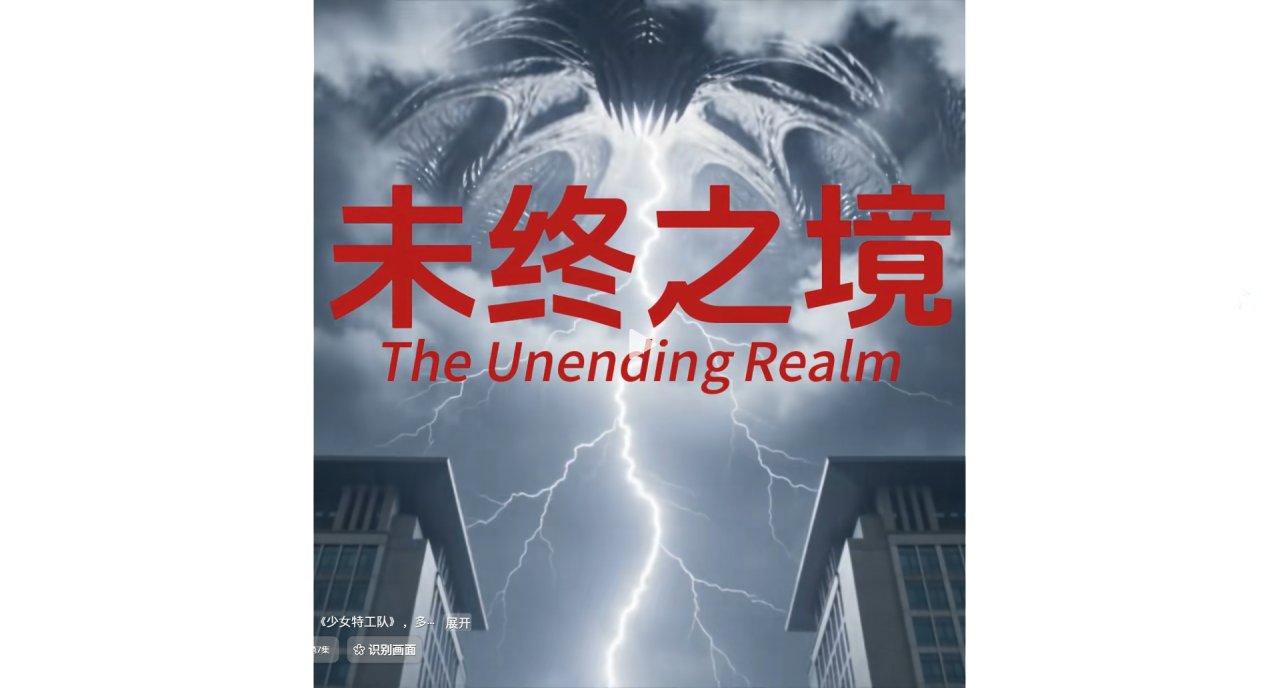
A new AI-generated suspense short series featuring four graduates trapped in a cursed dormitory has ignited fierce online debate. Viewers are split between immersive horror and fatigue over repetitive genre tropes.
The Story
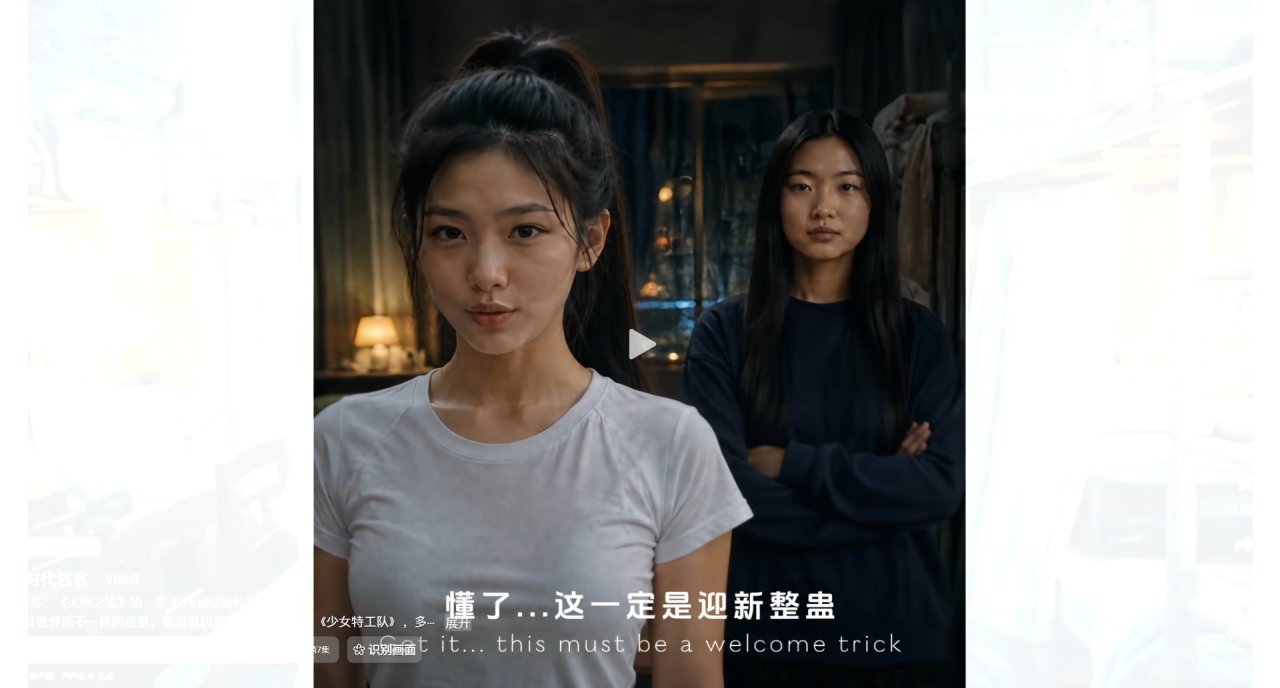
The narrative centers on four recent graduates—Lin, Zhou, Chen, and Su—who move into the dilapidated Room 403 of an old student dormitory. The atmosphere shifts from mundane to menacing when a midnight power outage triggers a mandatory broadcast task: retrieve specific items from Room 401 before 1:30 AM. Initially dismissing it as a prank, the group realizes their phones have lost signal and other doors have vanished, confirming they are trapped within a "rule-based" horror scenario.
Inside Room 401, the tension escalates as they decipher clues involving a milk tea cup with a wish note and a bed with residual warmth. However, panic sets in during the escape. One member accidentally violates the rule by taking the item out, triggering a shadowy pursuit. Just as hope seems lost, the scene abruptly transitions to a high school classroom, introducing new restrictive rules about hairstyles and mobile phone bans. This seamless jump highlights the "infinite flow" structure, where survival depends on adapting to ever-changing, often arbitrary, supernatural regulations. The production quality, leveraging AI technology, creates a surreal visual aesthetic that blurs the line between digital art and traditional filmmaking.
The Voices
01. Genre Fatigue vs. Creative Innovation
“It's undeniable that the surge of similar AI content is making this feel derivative.”
“This isn't the same as previous hits, yet everyone keeps comparing it.”
Think Tank Insight: Audiences are experiencing saturation with the "rule-based horror" genre. While creators aim for innovation, viewers struggle to distinguish original plots from established tropes, leading to immediate skepticism rather than open-minded engagement.
02. Character Agency and Relatability
“Why is there always someone holding everyone back?”
“The girls are so calm. If it were me, I would be screaming.”
Think Tank Insight: A recurring critique involves character logic. Viewers demand realistic psychological responses to terror. When characters act too calmly or make illogical errors (the "dead weight" trope), immersion breaks, causing frustration instead of fear.
03. Nostalgia and Comparative Standards
“I remember reading a novel called 'Hell Apartment'...”
“Special admiration for reverse land... finally no specific imitation like adding a fake mystery.”
Think Tank Insight: Fans anchor new works against beloved classics. Positive reception often hinges on how well a new series respects genre traditions while avoiding lazy imitations, creating a community that values both nostalgia and fresh execution.
Word Cloud
Sentiment Dimension / Observation Lens
Group Consensus Share
Genre Fatigue vs. Creative Innovation
45%
Character Agency and Relatability
35%
Nostalgia and Comparative Standards
20%
The Truth
Data Summary: Over 90% of active discussions revolve around genre comparisons and character logic, indicating a highly critical audience base that prioritizes structural integrity over simple scares.
Observer's Takeaway: The reception reflects a maturing audience for digital suspense content. Viewers are no longer satisfied with atmospheric horror alone; they demand logical consistency and distinct narrative voices. The backlash against perceived repetition suggests that the "infinite flow" and "rule-based" genres are reaching a creative plateau. Success now depends less on shock value and more on subverting expectations and crafting characters whose decisions resonate with human psychology, even in supernatural contexts.