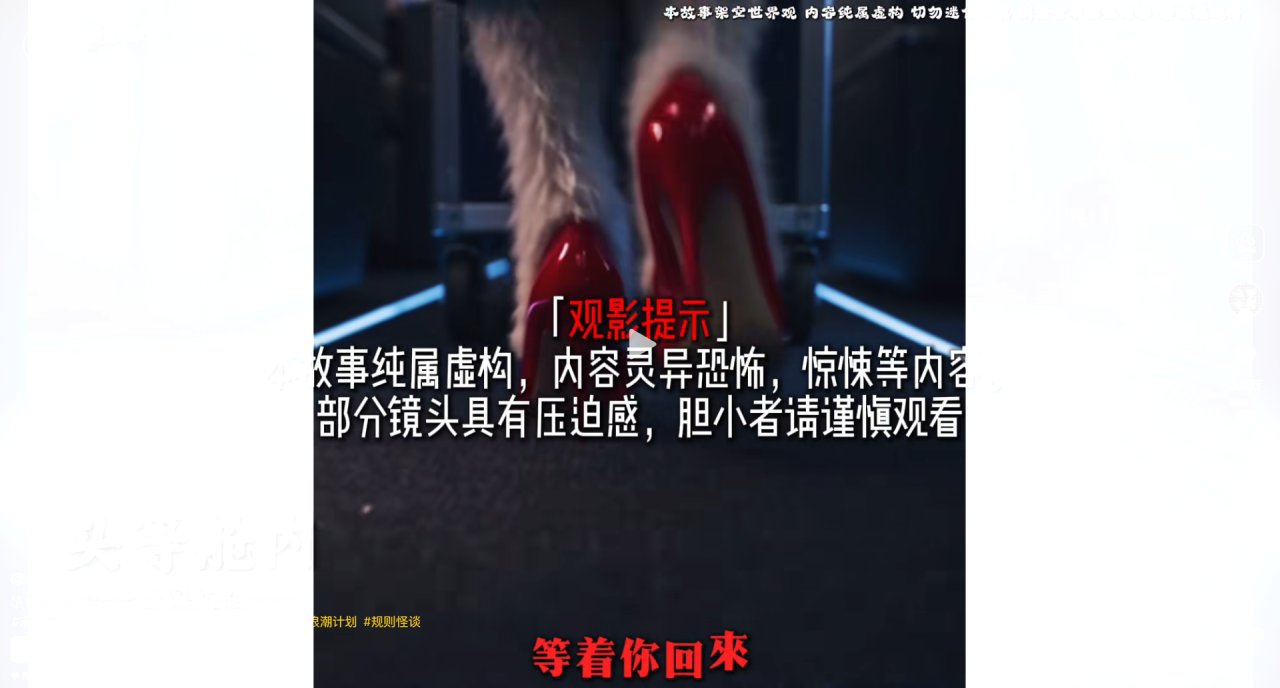
The cabin lights flicker, not with a power surge, but with the rhythm of a countdown. You are seated next to strangers who suddenly look less like passengers and more like variables in an equation. This is not a crash landing; it is a selection process.
In this AI-generated thriller, the horror does not come from what attacks you, but from the rules that decide who gets to stay on board. The protagonist realizes too late that the seatbelt sign is not for safety—it is for sorting.
Rules as Weapons
The tension builds through information asymmetry. One passenger knows the rule about the overhead bins; another knows nothing but fear. When the conflict arises, it is not physical violence that breaks the peace, but the cold application of logic. Survival here depends on noticing the pattern before the pattern notices you.
The ending reveals that this flight is merely one module in a larger game. The plane lands, but the screen goes black before you know if you passed or failed. The suspense lingers because the stakes were never life or death—they were inclusion or exclusion.
Audience Voices
The comment section has erupted into a debate about canine aesthetics and psychological warfare.
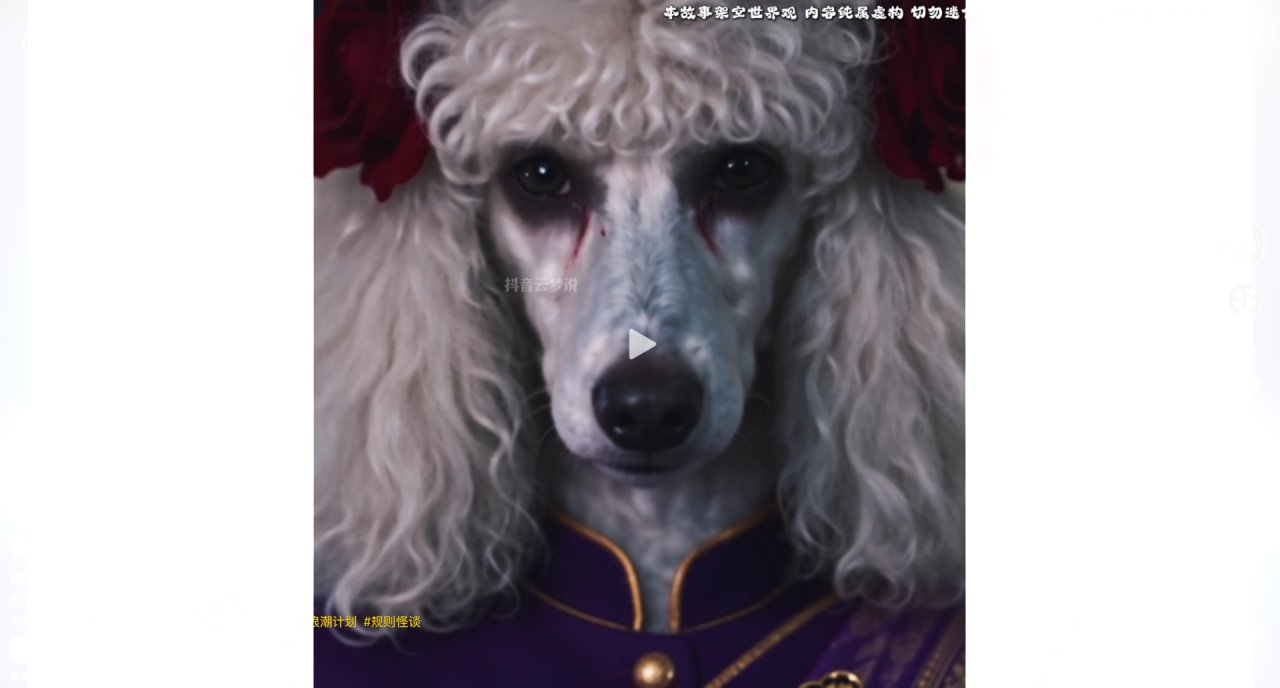
*"Poodles are really scary; Teddys and Pomeranian..."*
This sentiment reflects a broader unease with the uncanny valley of AI-generated characters. The visual design of the dog in the episode has become a meme, symbolizing the intrusion of the artificial into the familiar.
*"I suspect the voice for the Poodle at the begin..."*
Another user notes the auditory dissonance, suggesting that the creepiness lies in the mismatch between the cute appearance and the sinister tone.
*"Transfer all resentment to the Japanese."*
This controversial take highlights how viewers project their frustration with the rigid, unyielding nature of the 'rule-based' genre onto cultural stereotypes, revealing a deep-seated anxiety about being judged by opaque standards.
| Emotional facet / observation dimension | Group consensus share |
|---|---|
| The Terrifying Image of Poodles | 40% |
| Ritual of Transferring Resentment | 35% |
| Brainwashing Melody - I'm Waiting for You to Return | 25% |
The Addiction to Order
Why do we watch this? Because real life lacks clear rules. In the drama, every action has a consequence, and every mystery has a solution defined by a text box. The viewer craves the certainty of the 'filter,' even if it means being rejected.
The shared melody mentioned in comments—*"I'm waiting for you to return"*—acts as a hypnotic anchor. It turns the horror into a ritual, binding the audience to the screen through repetition rather than jump scares.
On Palmbox, these episodes are designed to be consumed in bursts. You can pause mid-flight, discuss the theories in the chat room, and resume when your heart rate settles. The platform turns solitary fear into a collective puzzle, letting you choose whether to trust the narrator or the other passengers.
If you feel the urge to check your own survival stats, try writing down three rules you followed today without questioning them. Then ask: who wrote them?