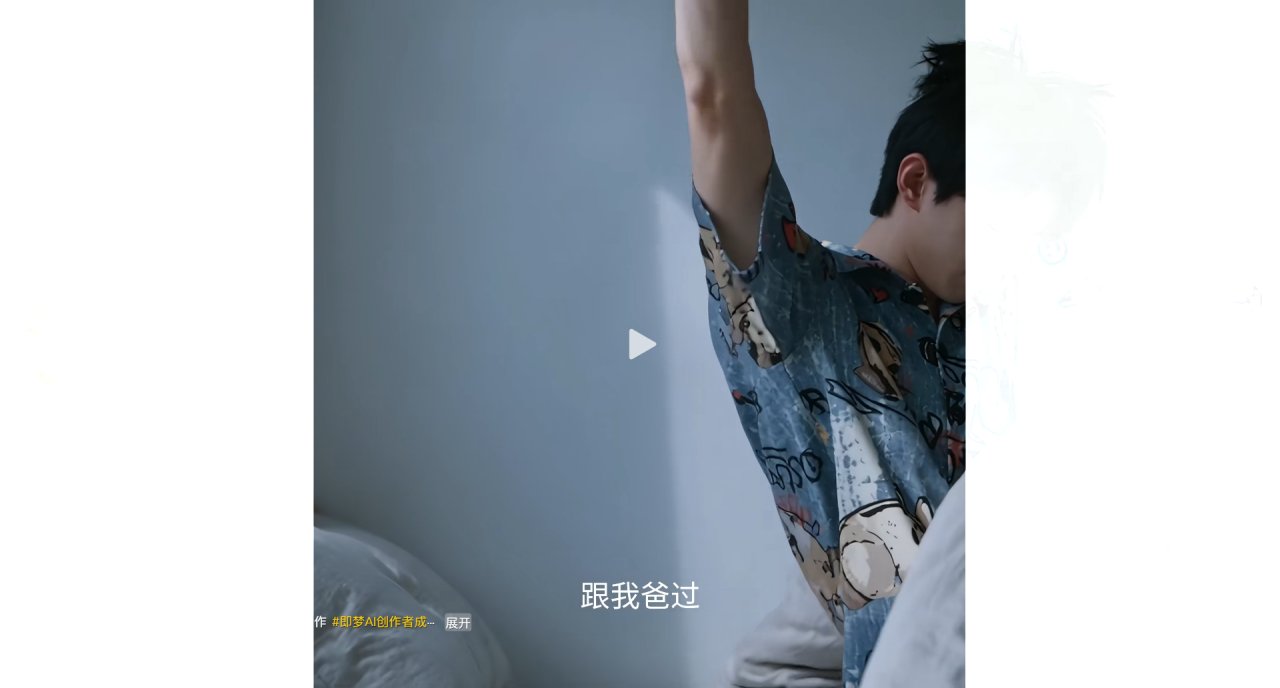
The group chat notification pinged at 9:00 AM, a cheerful sound that felt like a trap. The man stared at his phone, the name of the new contact glowing on the screen. It was not just any contact; it was the daughter of his father's new wife, the woman who had confessed to him in Tokyo one year ago and been rejected.
Now she lived across the hall. She called herself his "elder sister," though she was only one year older. The air in the apartment grew thick with unspoken history. He tried to ignore the message, but the family outing plan was already set. There was no escape from the proximity.
A Dangerous Kind of Closeness
During the trip, the tension shifted from awkwardness to performance. She spoke Japanese to create moments where he was forced to respond or translate, isolating them within the crowd. When friends asked about her, he lied, calling her a newly found relative. Her smile did not waver. She played along, weaving a web of intimacy that felt both familiar and foreign.
The turning point came when she mentioned needing to return to Tokyo for paperwork. His parents, eager to maintain the new family harmony, insisted he accompany her. He had lived there before; he knew the streets. This was not an invitation; it was a sentence. He could not refuse without breaking the fragile peace of the reconstituted family.
"Is it possible that the author just can't tame..."
One viewer noted this lack of control over the narrative trajectory. The plot moves not by choice, but by obligation.
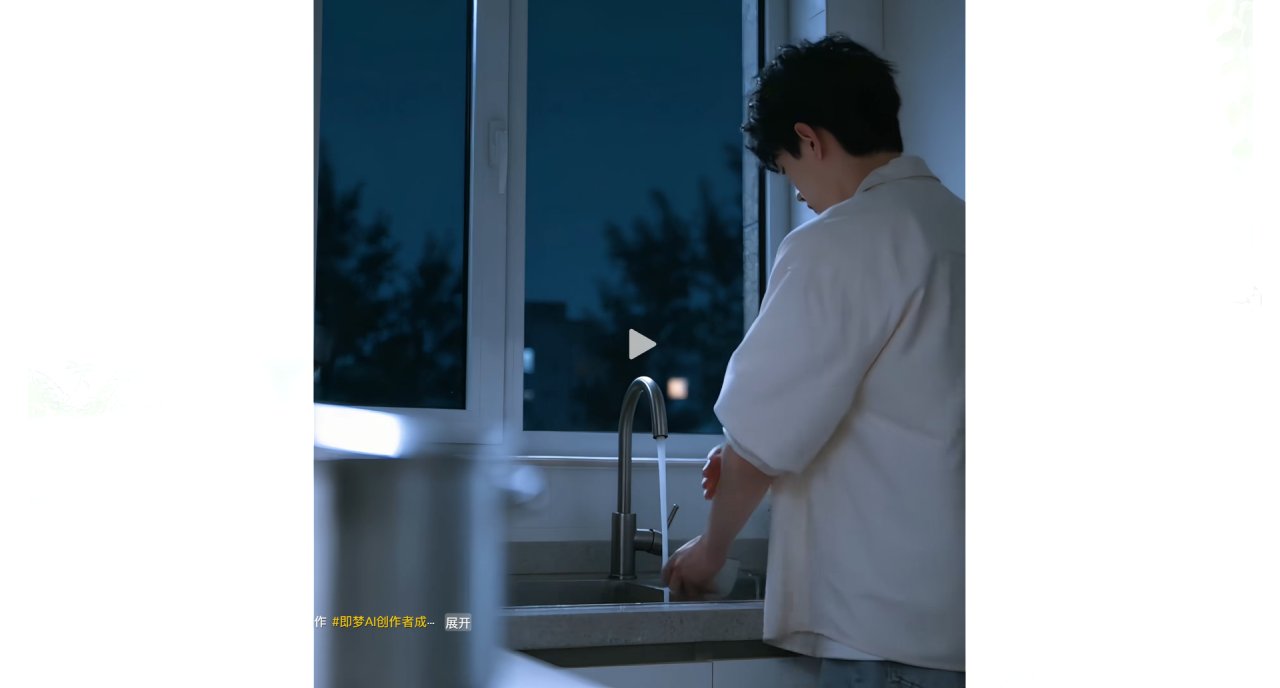
The Legal Gray Area
The comments section became a courtroom. Viewers dissected the relationship status with forensic precision. The core dispute was not about romance, but about rules.
"But even though you two aren't related by blood..."
This fragment sparked a heated debate. Many questioned the ethical boundaries of step-sibling relationships formed after adulthood. Others pointed out the legal nuances of marriage registration.
"If the parents have registered their marriage,..."
The argument centered on whether fictive kinship creates actual barriers. Some users shared local anecdotes, noting how such situations were handled in their communities. The consensus was split between moral discomfort and pragmatic acceptance.