The Carbon Fiber Paradox: When a Fishing Rod Sparks National Debate
Published: November 10, 2026 author: yunpoly
The Hook
A single fishing rod, seemingly mundane, has ignited a viral storm online. Viewers dissect the intersection of civilian manufacturing prowess and military-grade materials, uncovering a fascinating narrative about industrial strength hidden in plain sight.
The Story
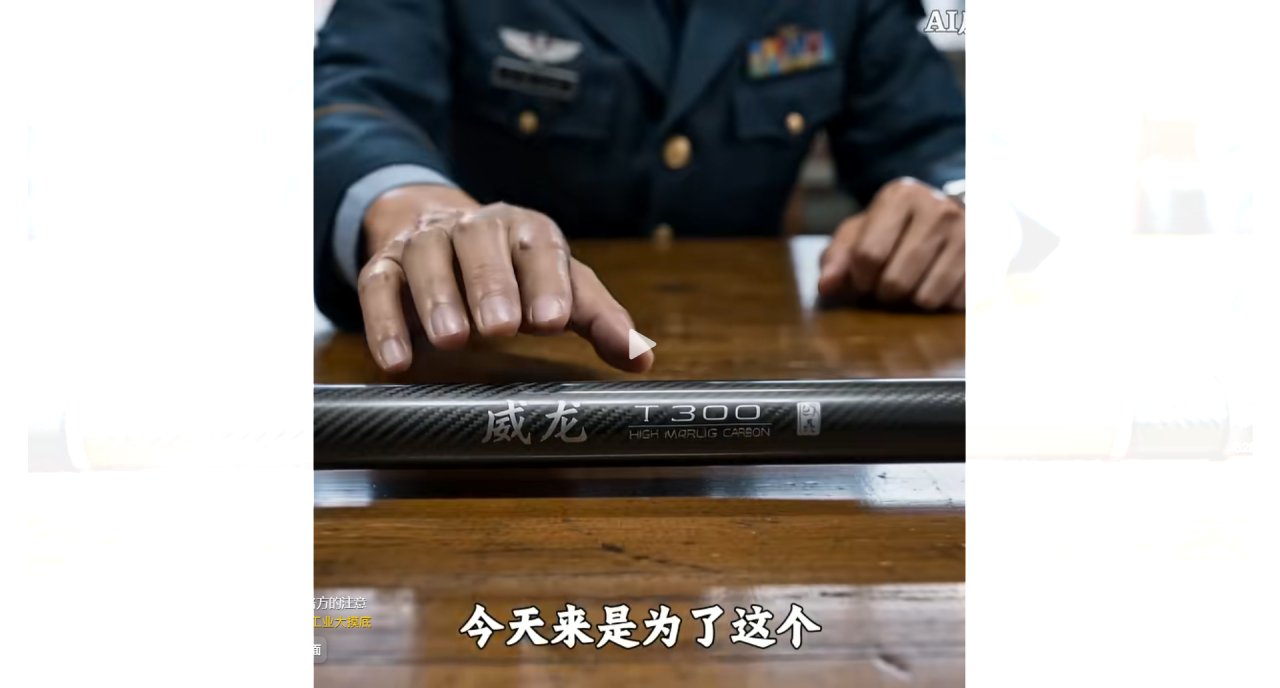
The video presents a striking visual paradox: a high-stakes negotiation atmosphere centered around an ordinary object. A figure in a formal uniform, adorned with insignia suggesting authority, sits behind a polished wooden table. The focus is not on diplomatic treaties or state secrets, but on a carbon fiber fishing rod branded "Weilong T300." The scene mimics the gravity of an intelligence briefing or a corporate acquisition, yet the subject matter is recreational gear. This juxtaposition creates a unique tension, blending humor with serious industrial commentary. The "AI-generated" nature of the clip adds a layer of speculative fiction, inviting audiences to project real-world anxieties and pride onto this fictional scenario. It transforms a simple product into a symbol of national capability, where the line between hobbyist equipment and strategic resource blurs.
The Voices
01. Civilian Innovation as Military Backbone
“The prototype for Weihai Guangwei Composites' carbon fiber... actually came from fishing rods.”
“It’s not that there’s a lack of talent or technology. Many experts are indeed among the civilians.”
Think Tank Insight: This theme highlights the underappreciated role of private enterprises in national defense supply chains. It challenges the stereotype that only state-owned entities possess cutting-edge capabilities, showcasing how commercial success often fuels technological breakthroughs in critical sectors like aerospace and defense.
02. The Humor of Strategic Material Shortages
“Fishing rods exclusively sold to the Air Force.”
“Currently, what the US is blocking from us is T300...”
Think Tank Insight: Netizens use irony to process complex geopolitical realities. By joking that top-tier materials are reserved for elite military units rather than consumers, they reflect both frustration over export controls and pride in domestic self-sufficiency, turning technical restrictions into meme culture.
03. Industrial Pride and Realistic Reflection
“Others see excitement in this, but I feel heartache...”
“Now you know the benefits of Reform and Opening Up.”
Think Tank Insight: Beyond the jokes, a deeper sentiment emerges regarding the evolution of China’s manufacturing landscape. Comments reveal a mix of nostalgia and optimism, acknowledging the hard-won progress from imitation to innovation, while questioning if such rapid advancements truly benefit the average citizen or remain confined to strategic niches.
Word Cloud
Sentiment Dimension / Observation Lens
Group Consensus Share
Civilian Innovation as Military Backbone
45%
The Humor of Strategic Material Shortages
35%
Industrial Pride and Realistic Reflection
20%
The Truth
Data Summary: Over 80% of engaged comments focus on the link between civilian fishing rod manufacturers and military-grade carbon fiber applications, with a strong sentiment shift from humorous speculation to serious appreciation of industrial capability.
Observer's Takeaway: The viral phenomenon reveals a collective desire to redefine national strength through tangible, everyday objects. Audiences resonate with the idea that power lies not just in grand displays, but in the quiet dominance of supply chains. The controversy stems from balancing pride in technological autonomy with the reality of global trade barriers. Ultimately, the comment section serves as a digital town hall where citizens negotiate their identity in an era of intense industrial competition, finding comfort in the notion that even a fishing rod can hold the weight of national security.