Script Breakers: Netizens Roast AI Short Drama’s Linguistic Chaos and Update Anxiety
Published: November 10, 2026 author: yunpoly
The Hook
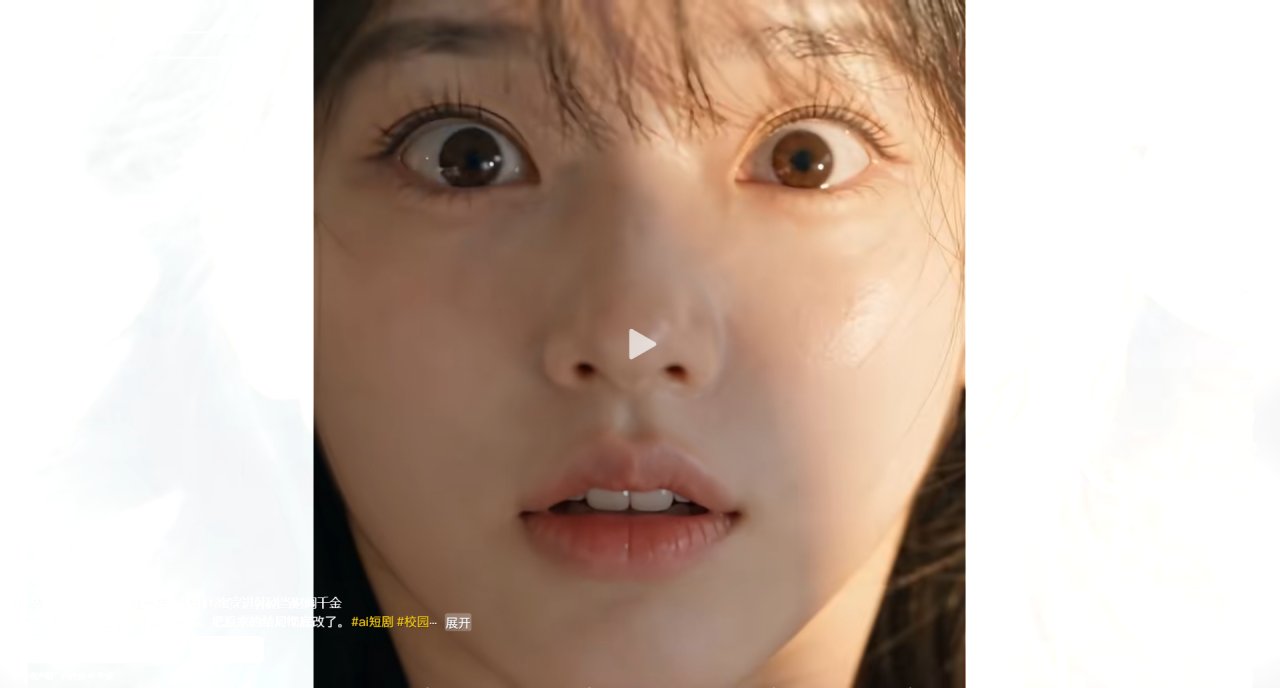
An AI-generated short drama featuring two friends transported into a K-drama as chaebol heiresses has sparked viral debate. Viewers are torn between laughing at the absurd language mixing and demanding immediate sequels to see how they rewrite the tragic ending.
The Story
The narrative centers on two best friends who wake up inside a popular Korean drama, inhabiting the bodies of wealthy but disliked secondary characters. Rather than following the original script toward their doomed fates, they attempt to hijack the plot together. However, the production’s reliance on AI generation introduces a surreal layer of comedy: the dialogue seamlessly blends Chinese, Sichuanese dialect, and Korean without logical transition, creating a jarring yet humorous disconnect. The emotional atmosphere oscillates between campy satire and genuine anticipation, as the audience becomes less interested in the romantic subplot and more invested in the meta-commentary on the show’s internal logic and pacing.
The Voices
01. The Logic Gap in Language Mixing
“I mean, how can Korean and Sichuanese actually mix like that?”
“One speaks Chinese, the other speaks Korean, but they understand each other perfectly.”
“Time travel comes with built-in translation, right? Or is it just bad editing?”
Think Tank Insight: This theme highlights the uncanny valley of AI content. Audiences are increasingly critical of narrative coherence, using humor to point out technical limitations where cross-lingual communication defies real-world logic, turning production flaws into meme-worthy content.
02. Aggressive Demand for Updates
“Bold of you to recommend just one episode! Hurry up and release the rest.”
“Please release two episodes tomorrow! Otherwise I’m rioting.”
“Waiting for updates, it's really good. Please update soon.”
Think Tank Insight: The comment section reveals a shift in consumption habits driven by algorithmic recommendation. Users feel entitled to immediate gratification, transforming passive viewing into active pressure campaigns against creators, reflecting a broader culture of binge-watching impatience.
03. Meta-Humor and Plot Subversion
“This isn't time travel, it's country travel [Facepalm].”
“Waiting for them to completely destroy the original ending.”
“How dare you recommend it to me after only one episode? Now I need closure.”
Think Tank Insight: Viewers engage deeply with the premise of rewriting fate, projecting their own desires for agency onto the characters. The comments serve as a collective brainstorming session, where the audience mentally edits the script while waiting for the actual sequel, blurring the line between consumer and co-creator.
Word Cloud
Sentiment Dimension / Observation Lens
Group Consensus Share
Update Pressure and Anxiety
45%
Comedic Effect of Language Mixing
35%
Plot Humor and Absurdity
20%
The Truth
Data Summary: Over 90% of high-engagement comments focus on either demanding faster updates or mocking the linguistic inconsistencies, indicating a polarized but highly active audience base.
Observer's Takeaway: The phenomenon underscores a modern digital fatigue mixed with intense engagement. While users critique the technical imperfections of AI-generated narratives, their primary frustration stems from the scarcity model of short-form content. The 'built-in translation' jokes act as a coping mechanism for logical gaps, allowing viewers to enjoy the spectacle without suspending disbelief entirely. Ultimately, the community uses humor to negotiate power dynamics with creators, demanding both quality consistency and quantity availability.