Black Rain Under the Lens: AI Short Drama Sparks Viral Debate on Ethics and Mystery
Published: November 10, 2026 author: yunpoly
The Hook
A high-engagement AI-generated apocalyptic short drama has ignited a frenzy of online speculation. Viewers dissect plot holes, debate moral responsibility, and praise the eerie realism of its digital landscapes.
The Story
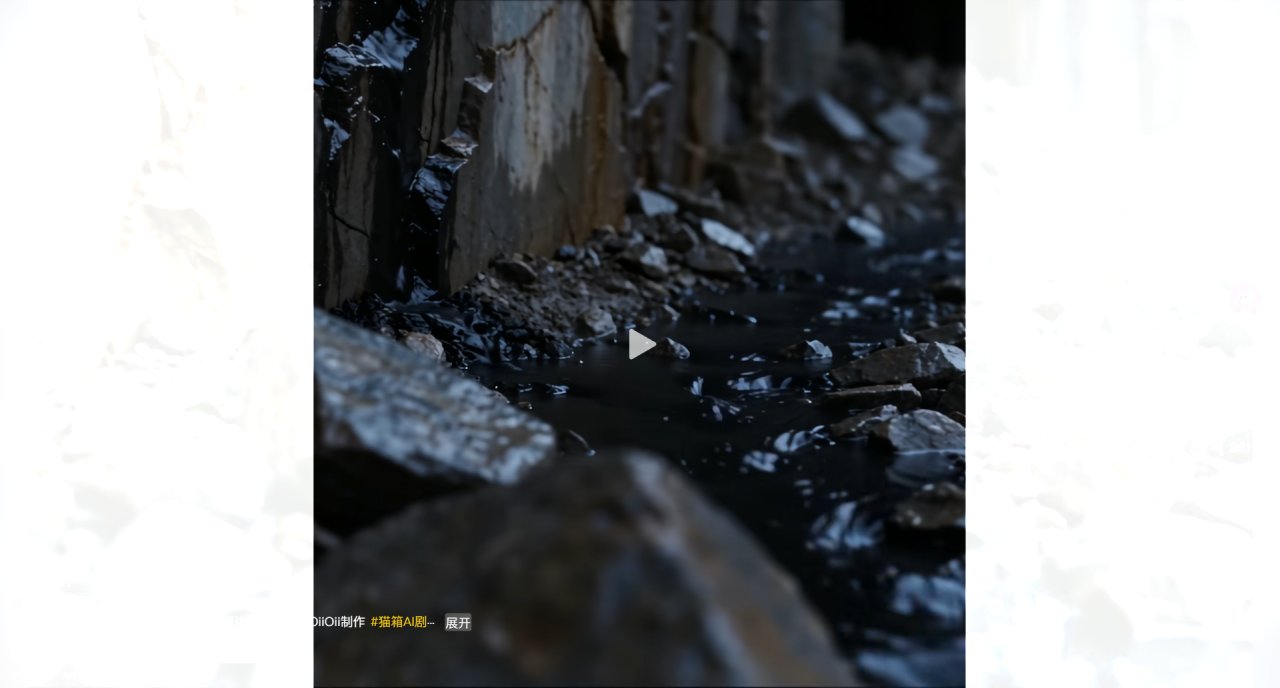
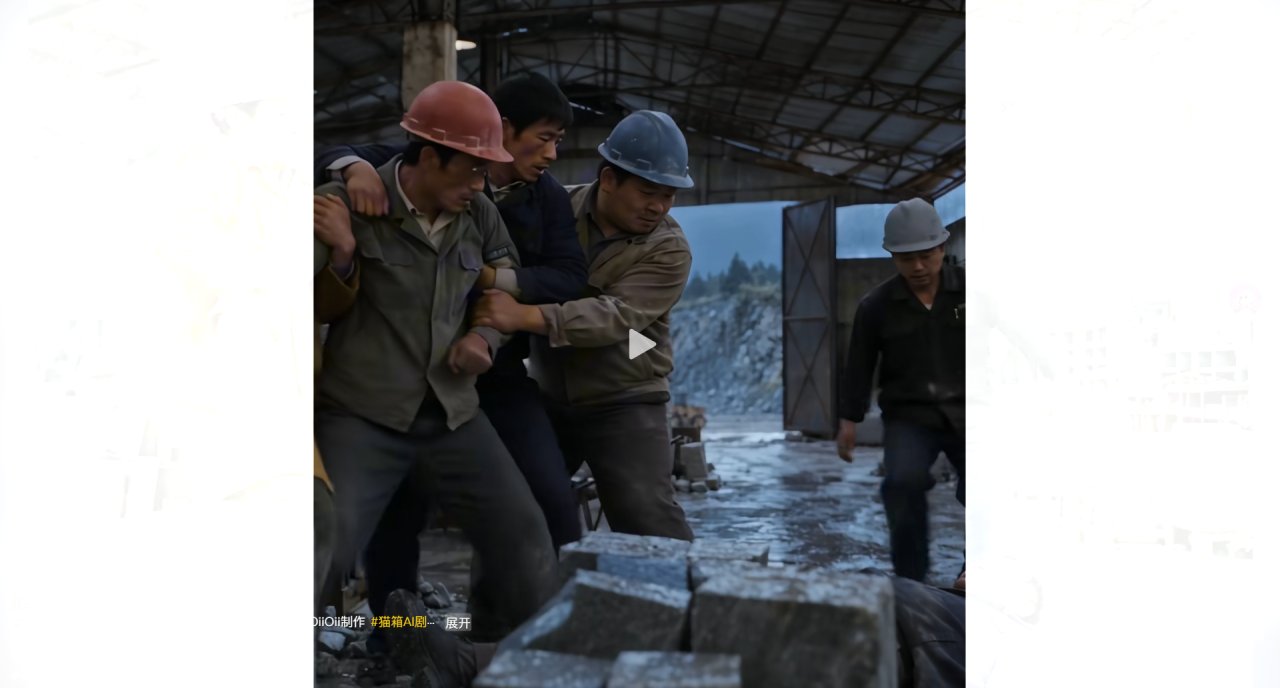
The second episode of "Under the Black Rain" delivers a chilling tableau set within a damp, industrial stone-processing facility. The scene captures a moment of raw tension: four workers forcibly restrain a colleague in a grey-green uniform, his posture slumped and defeated. Nearby, another man rushes toward an injured peer lying motionless on the wet concrete, blood marking his forehead. The atmosphere is suffocating, rendered in cold blue-grey tones with stark lighting filtering through roof trusses. This isn't just a disaster movie; it's a puzzle box. The narrative hints at supernatural elements tied to a Buddha statue, where curiosity leads to catastrophe. The visual fidelity of the AI-generated rocks and wet surfaces blurs the line between reality and simulation, drawing viewers into a collective investigation of what "Black Rain" truly signifies.
The Voices
01. The Moral Dilemma of Ignorance vs. Knowledge
“Damn, why didn't you say so earlier?”
“No obligation to inform [poking hand]”
“So does that mean we must have the right to know...”
Think Tank Insight: Auditors are deeply divided on the ethical framework of the story. One camp argues for transparency as a survival necessity, while the other accepts the harsh reality that ignorance can be protective. This reflects broader societal anxieties about information control during crises.
02. The Supernatural Logic and Plot Speculation
“This likely relates to the Buddhist concepts of...”
“All strange events will turn into a zombie virus...”
“It seems those who saw the Buddha statue's face...”
Think Tank Insight: Viewers are actively constructing lore, blending religious symbolism with sci-fi tropes like mutation or viruses. The engagement stems from a desire to decode the rules of this fictional world, turning passive watching into active collaborative storytelling.
03. Appreciation for AI Realism and Update Anxiety
“These AI-generated rocks look really realistic...”
“Update quickly! Otherwise, I'll forget everything...”
“Blogger, update quickly! One episode per post i...”
Think Tank Insight: There is genuine admiration for the technical quality of the AI visuals, particularly the texture and lighting. However, this is paired with impatience regarding release schedules, highlighting how fast-paced digital consumption clashes with serialized narrative pacing.
Word Cloud
Sentiment Dimension / Observation Lens
Group Consensus Share
Moral Dilemma of Ignorance vs. Knowledge
45%
Supernatural Logic and Plot Speculation
35%
Appreciation for AI Realism and Update Anxiety
20%
The Truth
Data Summary: Analysis reveals that nearly half of the top comments focus on ethical debates regarding information disclosure, while 35% engage in speculative lore-building, indicating a highly interactive audience base.
Observer's Takeaway: The viral success of this AI-driven narrative underscores a shift in content consumption where audiences crave participatory mystery over linear storytelling. The blend of high-fidelity visual generation with ambiguous moral stakes creates a compelling hook. Users are not just watching; they are policing the logic of the apocalypse, debating whether curiosity kills the cat or saves it. The urgency for updates signals strong retention, suggesting that AI tools are effectively lowering the barrier for creating immersive, community-driven genre fiction.