AI Comedy Short Goes Viral: Netizens’ Jokes Outshine the Plot
Published: November 10, 2026 author: yunpoly
The Hook
A recent four-episode compilation of an AI-generated comedy short has sparked a massive online discussion. While the series aims for humor, the comment section has become a hub of creative chaos, with users debating character identities and mocking the absurdity of the content.
The Story
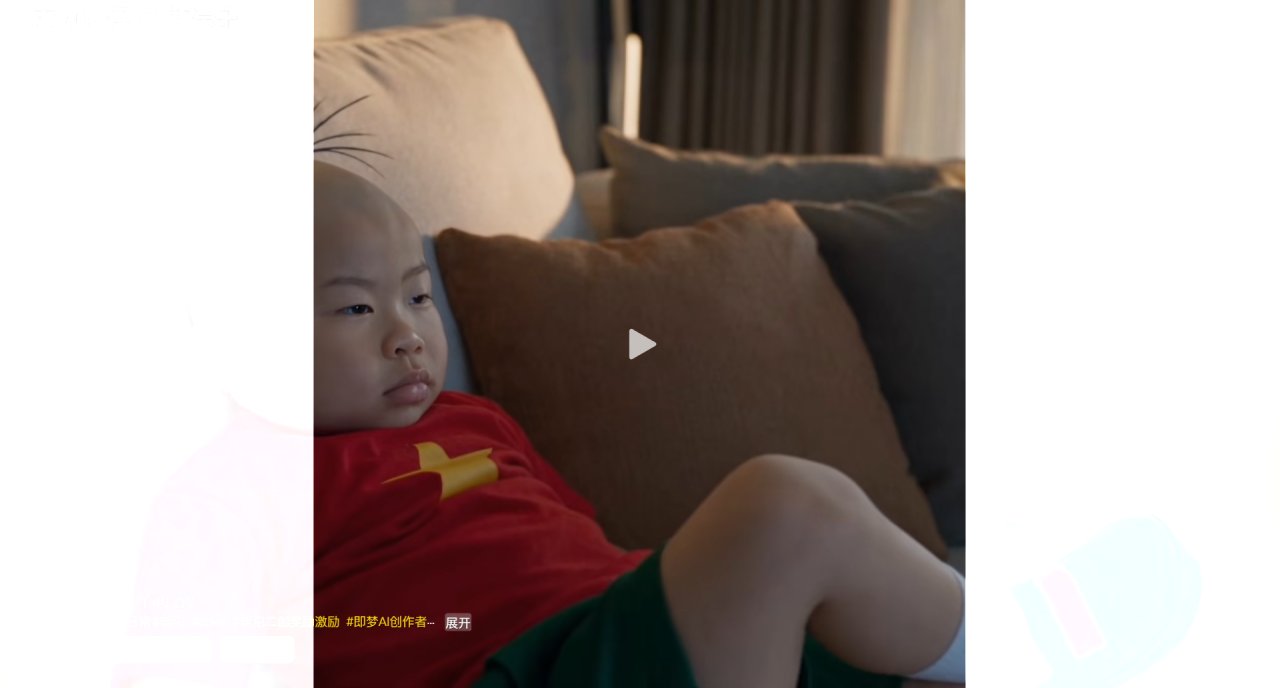
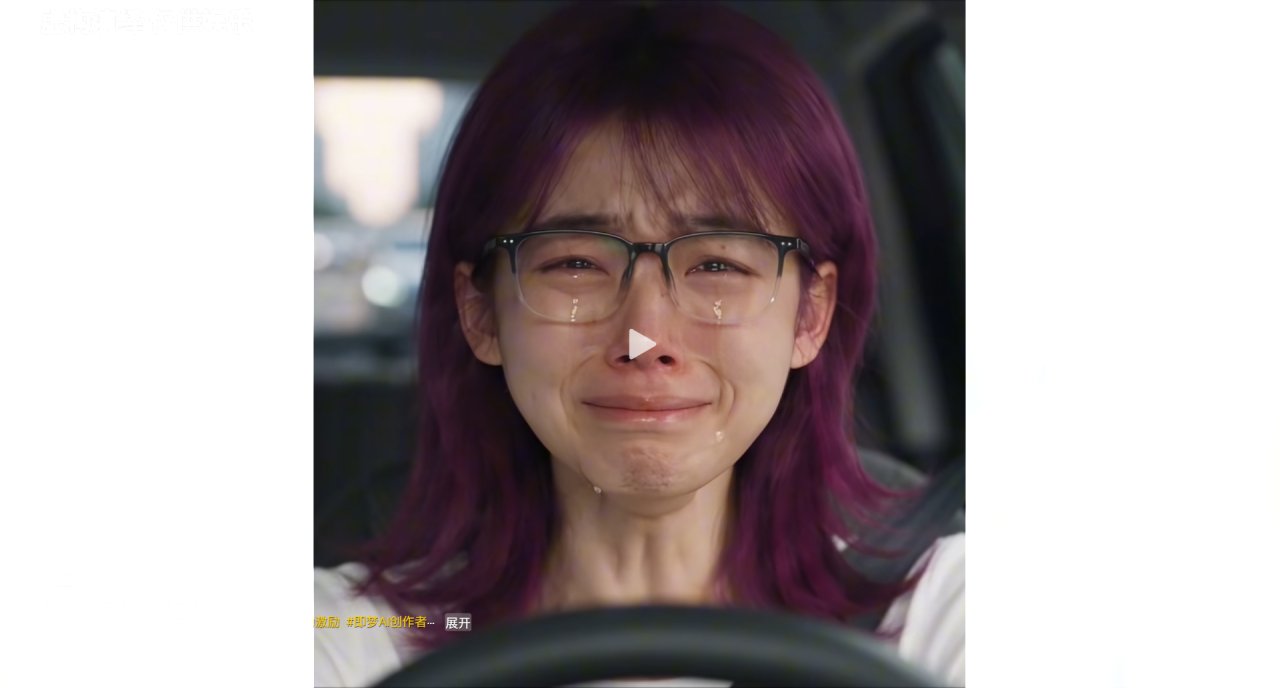
The video in question is a compilation of the first four episodes of a series titled “Piyan Coco,” marketed as a collection of funny daily life scenarios involving a family unit. Despite the comedic label, the visual hook often involves exaggerated emotional scenes, such as a close-up of a female character crying intensely while driving, which contrasts sharply with the intended lighthearted tone. Produced using AI generation tools, the content blurs the line between scripted drama and surreal internet humor.
The core appeal for viewers seems to lie less in the narrative coherence and more in the sheer unpredictability of the AI’s output. Characters appear to shift roles or identities mid-scene, leading to widespread confusion among the audience. This ambiguity has turned the viewing experience into a collaborative puzzle, where fans dissect every frame for hidden meanings or nonsensical glitches, creating a meta-commentary that often overshadows the original intent of the creators.
The Voices
01. Character Identity Confusion
“Who is Black and White Mom? Is there a real-life...?”
“Who is Zhuangzhuang's mom?”
“That's Qin Qiqi.”
Think Tank Insight: Viewers are actively trying to map inconsistent AI-generated personas onto recognizable archetypes. This confusion highlights the current limitations of long-form AI video continuity, turning plot holes into interactive mysteries for the community.
02. Abstract Humor Breakdown
“Can the author even bear to watch what they made...?”
“Who could possibly keep a straight face at this?”
“What is this thing? [Laughing-crying]”
Think Tank Insight: The audience finds humor in the absurdity itself rather than the scripted jokes. This reflects a growing trend where “so bad it’s good” content thrives on communal mockery, with the comments section becoming the primary source of entertainment.
03. Fan-made Character Crossovers
“When Old Fourth sat down there, it blew up my l...”
“Otherwise, you'd really think Tu Tu's dad alone...”
“Still 'Jun Qun' (Group)”
Think Tank Insight: Fans are remixing characters from different viral trends into this new context. This cross-pollination of internet memes demonstrates how digital culture rapidly assimilates new content into existing joke structures, regardless of the original creator’s intent.
Word Cloud
Sentiment Dimension / Observation Lens
Group Consensus Share
Character Identity Confusion
45%
Abstract Humor Breakdown
35%
Fan-made Character Crossovers
20%
The Truth
Data Summary: The comment section is dominated by inquiries about character identities (45%) and expressions of disbelief at the content’s quality (35%), with a smaller but significant portion engaging in meme crossovers (20%).
Observer's Takeaway: The viral success of this AI-generated short underscores a shift in digital consumption where the boundary between content and commentary is dissolving. Audiences are no longer passive recipients; they are active participants who derive joy from decoding inconsistencies and crafting their own narratives around flawed AI outputs. The collective mood is one of amused skepticism, where the “failure” of the AI to maintain logical consistency becomes the very feature that drives engagement. This phenomenon suggests that in the era of generative media, human creativity in interpreting machine-generated absurdity may be more valuable than the polished output itself.