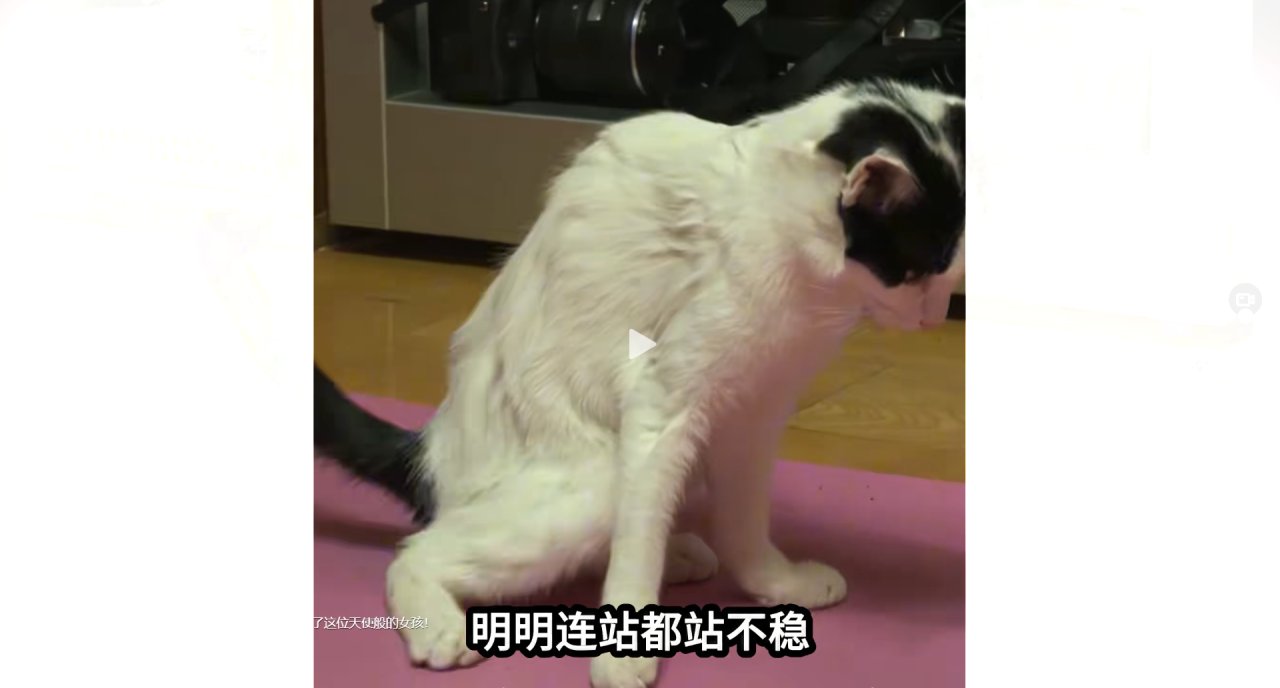
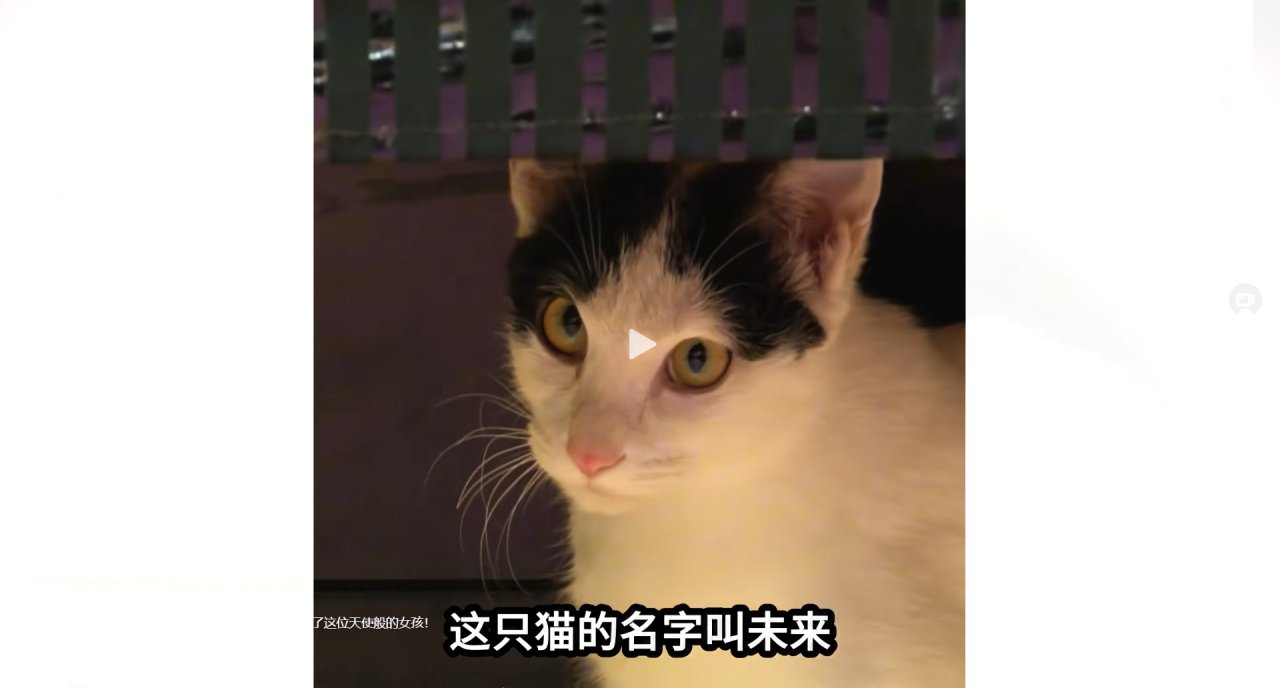
The video paused on a black-and-white cat sitting on rough pavement at night. Its amber eyes looked sideways, not at the camera, but into the dark beyond the green fence. The caption read, “This cat’s name is Future.” In the comments, people wrote about how their hearts broke for the animal that had been dropped so many times it learned to flinch. One parent asked if the BGM was too sad. Another said they cried because the kindness shown felt rare.
It made me think about what we don’t see when we look at something small or sick. We see the behavior—the cowering, the alertness—but we miss the biology underneath. When I held my phone up to scan a drop of water from the kitchen sink later that evening, I wasn’t looking for cats. I was looking for the invisible life that shares our spaces.
What the Eye Misses
You can’t see them with your naked eye, which is why they’re easy to ignore. On a standard slide in Wwai, a single bacterium like *Escherichia coli* appears as a faint, rod-shaped gray smudge against a lighter background. It doesn’t move with purpose; it drifts in Brownian motion, jostled by water molecules you also can’t see. Why does it look like that? Because light has a wavelength limit. Objects smaller than about 200 nanometers blur together unless you use special staining or high-resolution simulation. The app shows this clearly: without contrast enhancement, the cell wall is nearly transparent. You only notice the shape once the software highlights the boundary. It’s a reminder that absence of evidence isn’t evidence of absence.
Three Questions Parents Ask
When I showed this to a neighbor who’d seen the same cat video, she had three immediate worries. First, “Is this real science?” She meant, is it accurate enough to trust. I told her the models are based on published microscopy data, but it’s a simulation—it teaches pattern recognition, not lab technique. Second, “Will my kid just play games?” Maybe. But the tutor asks questions like, “Why did that cluster disappear when you zoomed out?” If the child ignores the prompt, the next step
