The Hook
A recent video featuring a cat undergoing chemotherapy sparked intense debate. Viewers oscillated between empathy for the animal's suffering and dark humor regarding its constipation, revealing complex attitudes toward pet health, environmental toxins, and life’s fragility.
The Story
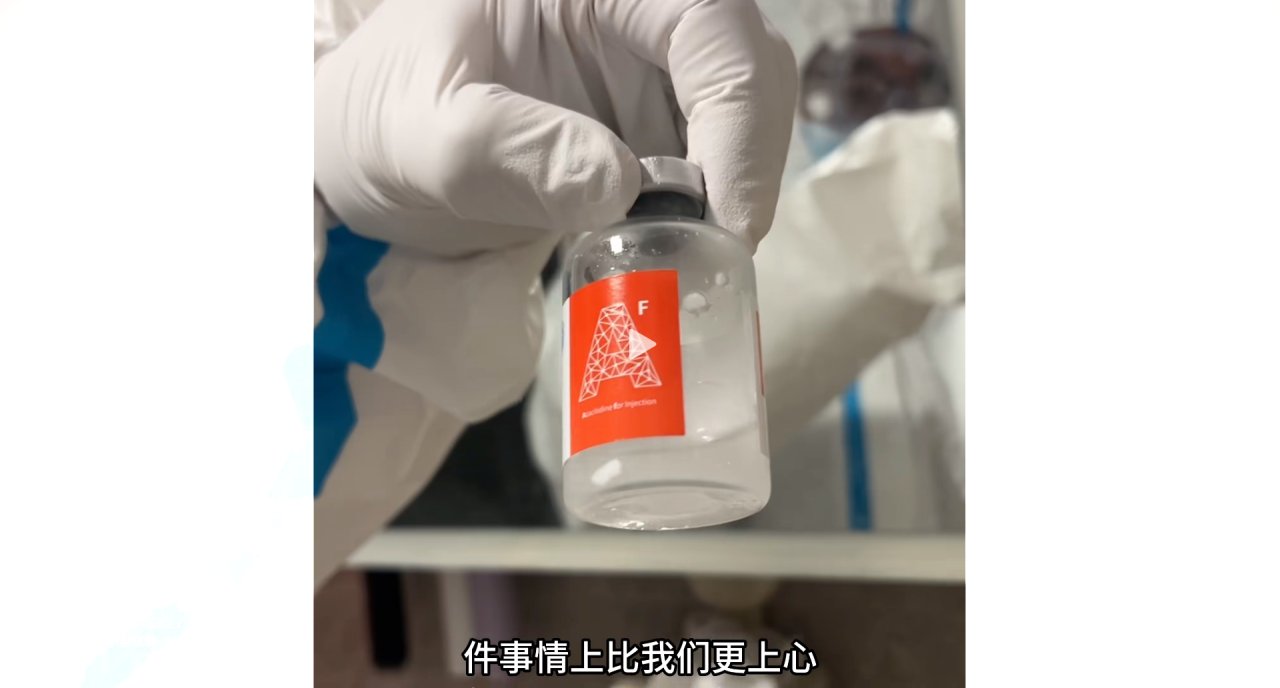
The footage presents a stark contrast between clinical precision and emotional turmoil. In the foreground, a gloved hand carefully handles a vial labeled for injection, likely containing chemotherapy agents or supportive care medication. The background features a person in full protective gear, suggesting a sterile environment typical of specialized veterinary oncology units. This visual setup underscores the severity of the condition affecting "Tai-ge," a kitten diagnosed with Myelodysplastic Syndromes (MDS) and subsequent anemia.
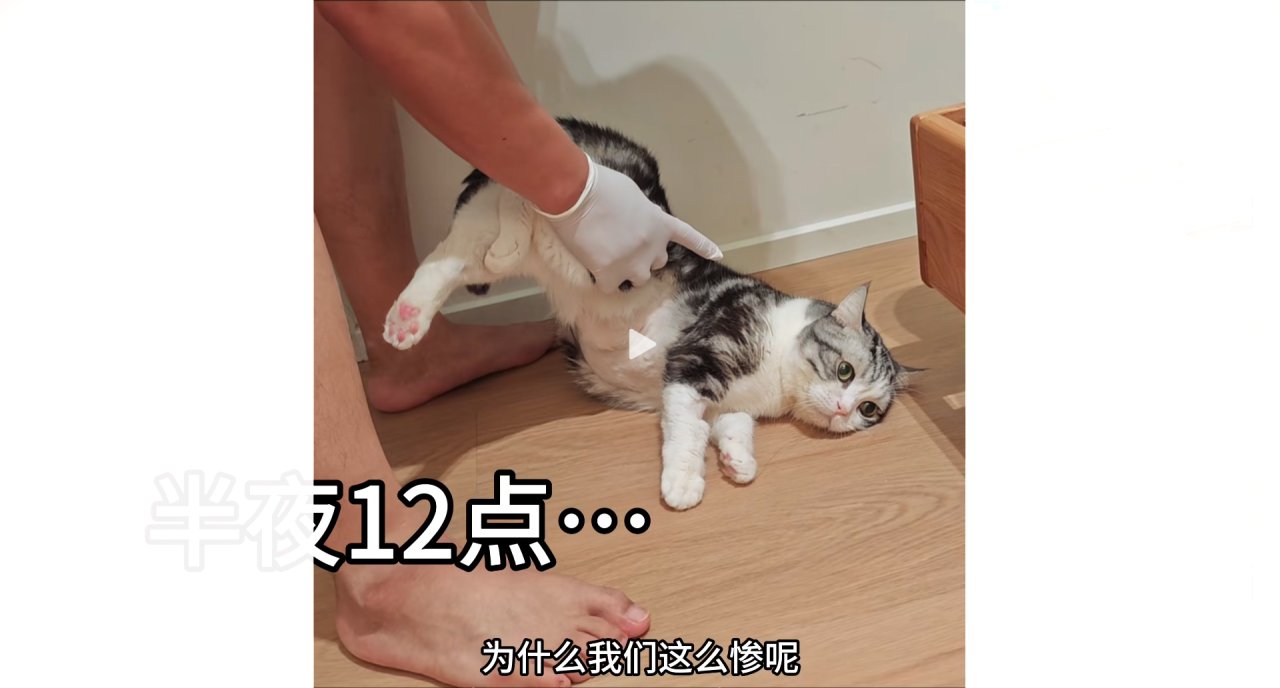
However, the narrative tension arises from the juxtaposition of this grim medical reality with the lighter, albeit grotesque, details shared by the owner. The video highlights the side effects of treatment, specifically severe constipation. The audio captures the kitten’s vocalizations during bowel movements, which became an unexpected focal point for viewers. While the medical context is serious—hinting at potential formaldehyde exposure or other environmental causes—the public reaction quickly shifted to dissecting the physical comedy of the situation. The scene serves as a microcosm of modern pet ownership, where animals are treated as family members, yet their bodily functions and illnesses become subjects of public consumption and debate.
The Voices
01. Environmental Anxiety and Health Risks
“It is indeed recommended to check if room formaldehyde levels are high.”
“How long after the new house renovation did you move in?”
Think Tank Insight: The community exhibits a heightened awareness of environmental hazards affecting pets. Comments frequently link MDS and leukemia to home renovations and chemical exposure, reflecting a broader societal anxiety about invisible toxins in living spaces and their impact on vulnerable beings.