
Do Americans know we're shooting American TV now? — Under a 3.47-million-like short drama, the top comment isn't praise
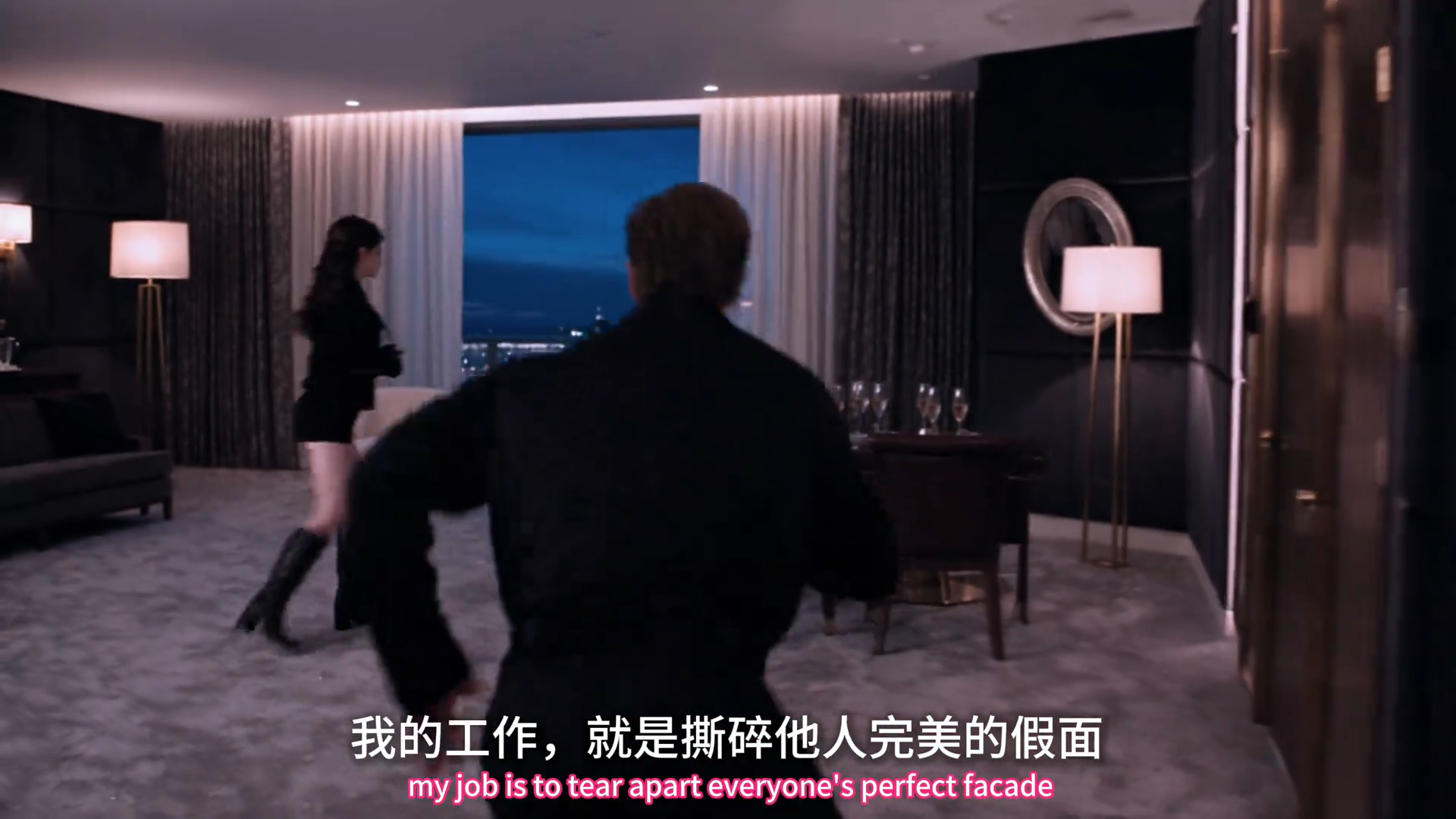
Open episode one of *Shame* and you walk into a very familiar American high school: corridors, lockers, cheerleaders, two people exchanging a look at the foot of a staircase. A private investigator and a campus golden boy run on parallel tracks. By the end of the episode the relationships are still unopened, but the hook has already been thrown. It was generated by a Chinese team using Jimeng, and it has 3.47 million likes. The third-hottest comment is not an explanation of the plot. It is the author's own blanket reply to being copied.
The top comment, with 1,016 likes, is one line: "Do Americans know we're shooting American TV now?" The joke isn't mockery. It's recognition — this crowd knows the grammar so well they can build one from scratch. AI assembles the symbols neatly: the light in the corridor, the bleachers, the creases in the uniforms. All correct. But an assembled set has no root. It's a backdrop. You know it's acting; you just don't know why it's here.
What people actually argue about isn't "does it look American." It's "where's episode two." Five of the top ten comments are a single character: *dūn* — squatting, i.e. waiting. One writes "squatting (for total ruin)," another "squatting for the American-TV agent," another counts the days: "os: it's been five days, episode two can come out now, right?" Someone else leaves a self-mocking line: "I sat down for a binge, swiped right, and got nothing but empty sorrow."
That is the most expensive data in this business. A like means "I finished it." A *dūn* means "I owe you one more open." The first can be bought with ad spend. The second can only be earned by the episode itself — you have to make viewers believe the person left unexplained is still alive, that the thing left unsaid has a next page. "Empty sorrow" is precisely the right phrase: he waited for a series and received one episode. A five-minute episode that makes people wait five days isn't running on image quality. It's running on credit.
That reply is worth more attention than the plot. The author writes that a fellow creator borrowed material without crediting the source; he doesn't much mind, but he'd like a note. "Many beginners start by imitating," he says — if the intent is to learn, he can understand and be generous; otherwise he'll defend his rights. That a single reply outranks every plot discussion tells you it matters more to him than whether this episode was good.