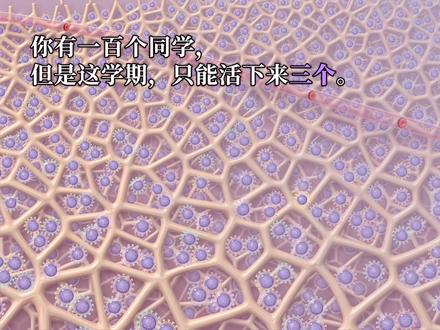
A science video anthropomorphizing the immune system is going viral: "If You Were a T Cell" — born straight into an exam with a 97% failure rate. In flu season, when your child asks "how do white blood cells fight viruses?", what's your answer? With over 1,400 likes behind one comment, this video proves the point: learning about the microscopic world starts with a good story.
How Do You Explain a 97% Mortality Exam to a Child?
The video turns T cell "boot camp" into an exam: T cells are trained in the thymus, and those that fail to recognize the body's own cells — or react too aggressively — are eliminated. According to the video's telling, the "mortality rate" of this exam runs as high as 97%. That tension is exactly why it took off.
The top comment (1,434 likes) reads: "Macrophages every day: eat eat eat, swallow swallow swallow, chew chew chew." Another with 728 likes: "Macrophages: well, might as well eat first." And a 1,200-like one simply says: "Actually moved to tears. Well done, T cell."
**The takeaway: audiences remember knowledge through characters, not terminology.**
Why Macrophages "At the Buffet" Make Good Science
Anthropomorphizing immune cells has always been debated in science communication, but the numbers side with this video: a 384-like comment calls it "actually pretty epic — basically a hot-blooded anime (rexue fan, 热血番)", and a 200-like one jokes about "watching the macrophage eat at the buffet next door".
Personification is not dumbing down; it translates an invisible microscopic world into experience a child already has: exams, meals, charges, teammates. A child falls in love with the characters first, and only then retains the hard knowledge behind them — thymic selection, innate immunity, cell types. Per the comment section, many parents finished explaining the immune system's division of labor precisely because their child laughed first.
This ordering — interest before structure — keeps proving itself in science for kids. Look at the logic of China's "Learning by Doing" pilot: no added written exams, tolerance for failure, and students finding questions in real-world scenes (per Outlook, November 10, 2026). Personified science content shares the same underlying judgment: **only what people want to watch again can actually teach.**
