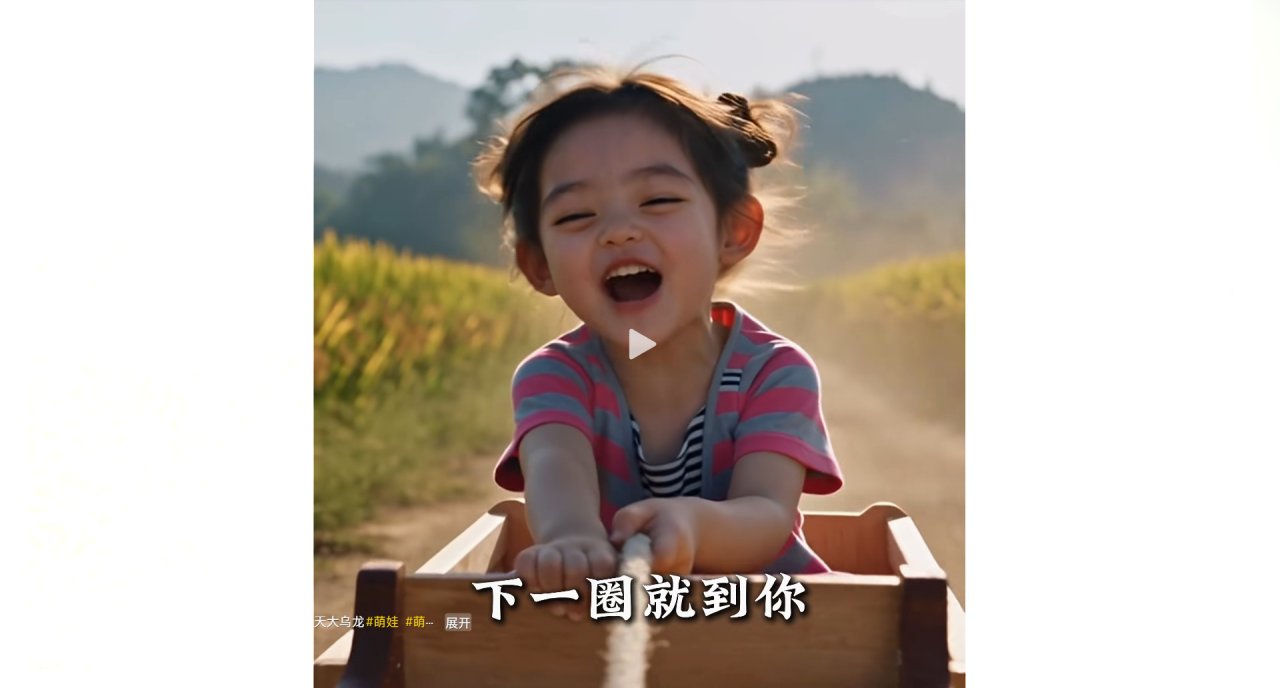
She dragged the small gray dog along, eyes wide with panic, convinced that every second of hesitation cost her grandmother’s life. They scrubbed floors, carried boxes, and ran errands until their little legs trembled. The goal was simple: earn enough money to buy medicine for what she believed was a fatal illness.
But when they finally rushed home, breathless and proud, the truth hit them like a bucket of cold water. It wasn’t pneumonia. It wasn’t heart failure. It was just a common cold. The entire frantic effort, the sweat, the desperate hope—all of it had been for nothing.
A Misunderstanding That Feels Real
This episode from *Xiao Xi and Mantou* captures a specific kind of comedy that short-drama apps have mastered: the «care makes one chaotic» trope. The protagonist’s love is so intense it blinds her to logic. She doesn’t check symptoms; she assumes the worst because she fears losing the person she loves most.
The humor isn’t in the mistake itself, but in the disproportion between her effort and the reality. She treated a sniffle like a crisis. This resonates because many viewers recognize this pattern in their own lives—over-preparing, over-worrying, and acting on fear rather than facts.
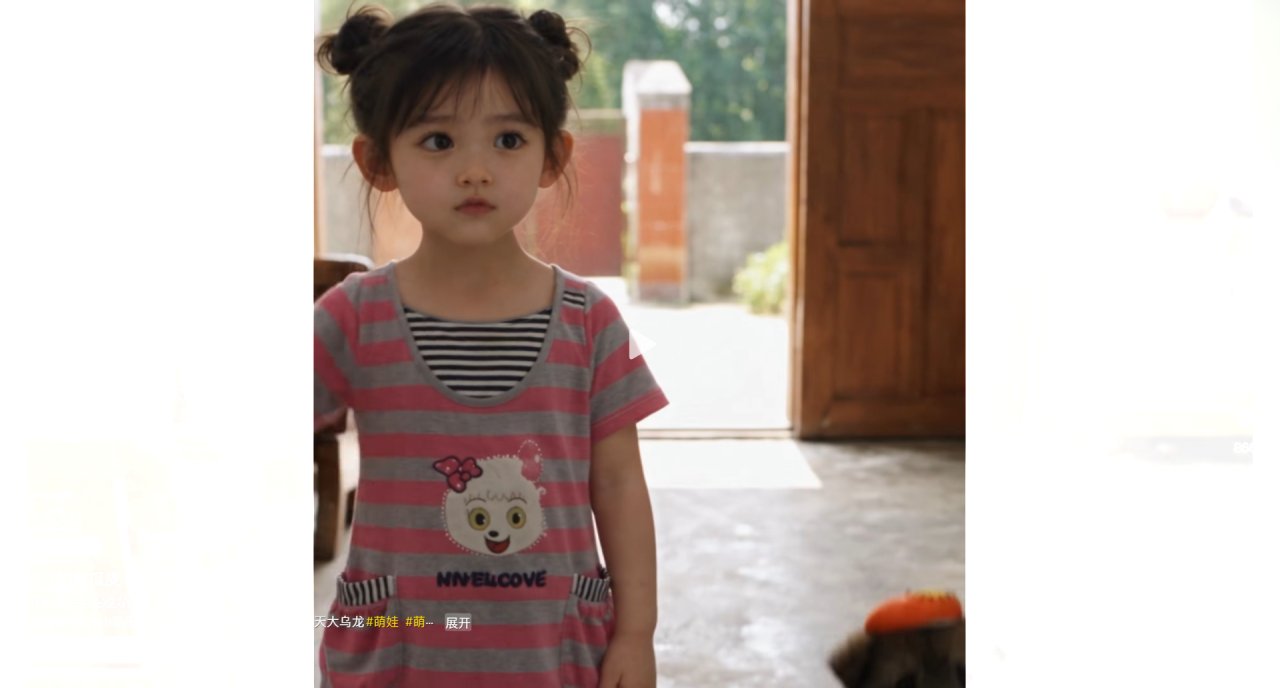
Why We Love the Puppy
Mantou, the small gray dog, steals the show not through dialogue, but through presence. When she scratches her head or tilts it in confusion, the audience melts. Comments flooded with praise for the dog’s expressions, noting how the AI animation captured subtle shifts in mood.
"Ahhh! The dog scratching its head is so cute!"
"These small gray dogs are the cutest!"
The dog acts as an emotional anchor. While the girl panics, the dog remains calm, creating a visual contrast that amplifies the comedy. Viewers aren’t just watching a plot; they’re bonding with a character who represents unconditional companionship without judgment.
Emotional facet / observation dimension | Group consensus share ---|--- Cute Moments of Mantou (the Puppy) | 30% Childhood Memories and Emotional Resonance | 45% Healing and Stress Relief Feelings | 25%
Echoes of Childhood
For many, this story triggers a nostalgic ache. It reminds them of times when they misunderstood adult problems, trying to solve them with childish tools. One commenter noted, > "If a person truly had such a childhood..." implying that such pure, misguided efforts are rare treasures.