The Hook
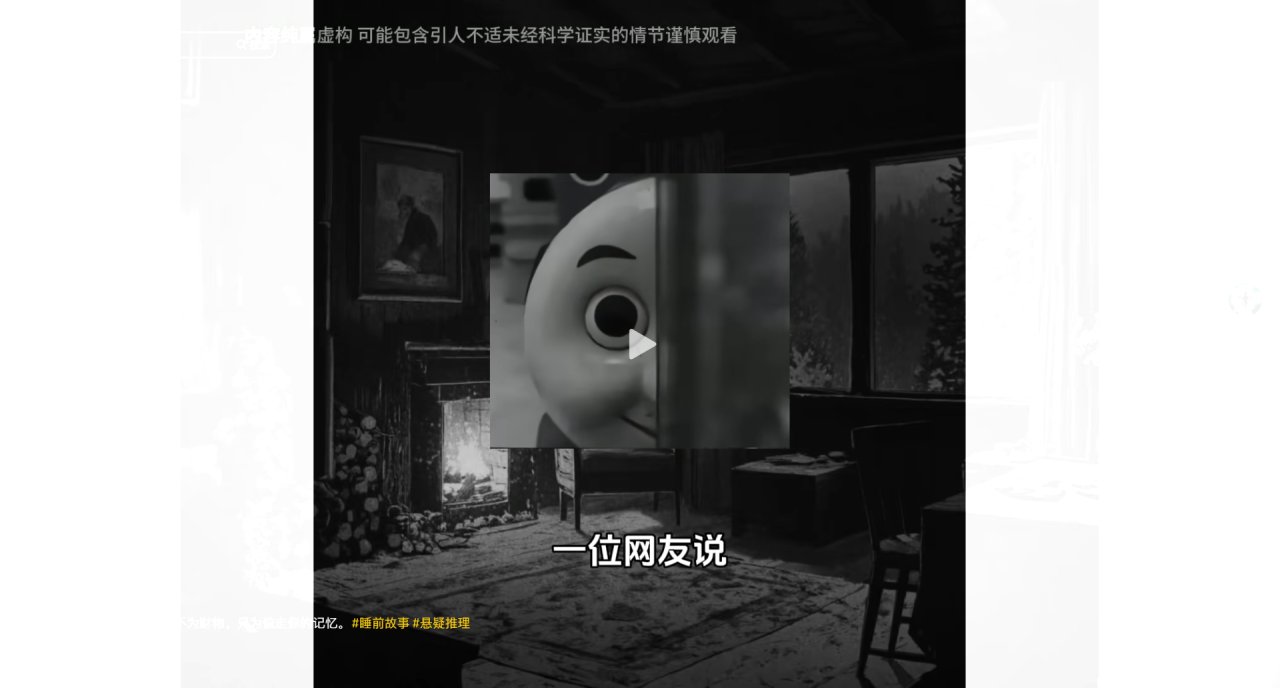
A suspenseful narrative about memory theft meets a jarring visual twist. Viewers find themselves terrified not by the plot, but by the surreal intrusion of pixelated meme faces into their horror experience.
The Story
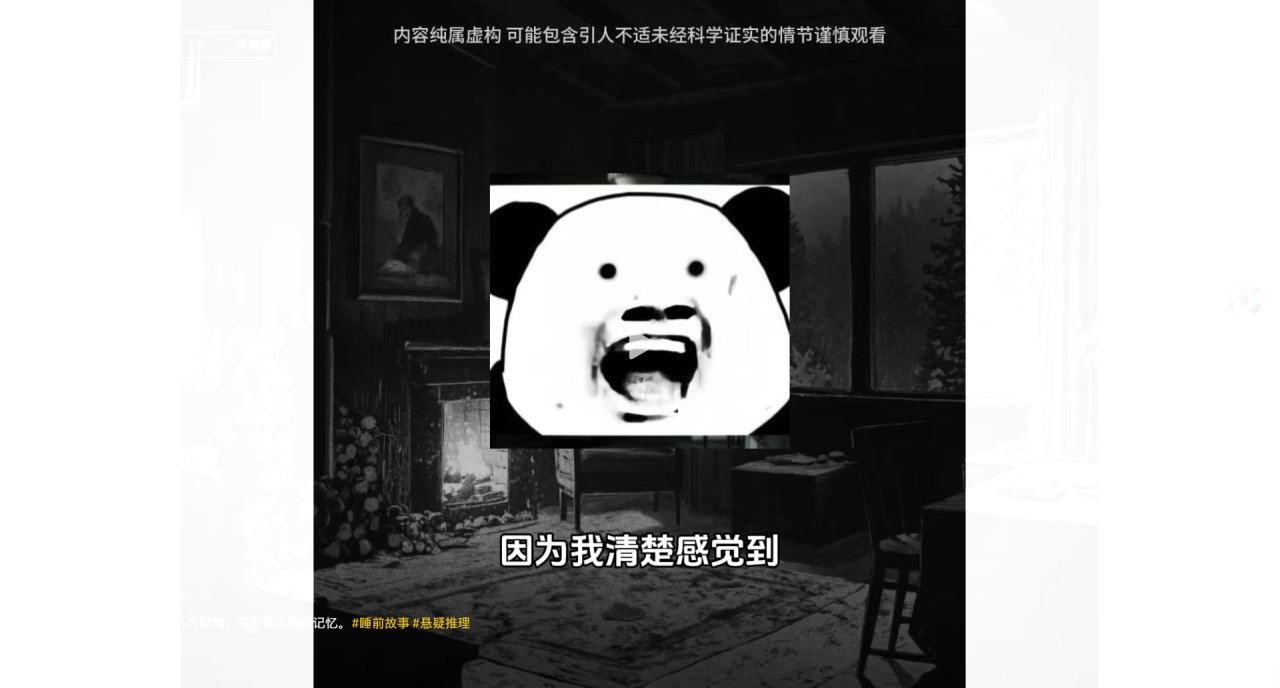
The video presents a classic setup for a supernatural thriller: a dimly lit, atmospheric room with a flickering fireplace and shadows dancing against old walls. The narrative hook is potent—a burglar who steals memories rather than valuables. However, the traditional tension is violently disrupted by a massive, high-contrast panda-head meme superimposed over the center of the frame. This expression of exaggerated shock clashes absurdly with the eerie background, creating a dissonant mix of dread and comedy. The creator’s intent seems to be psychological unease, yet the audience’s reaction pivots entirely toward the unexpected humor and terror induced by this digital glitch aesthetic.
The Voices
01. The Meme as the True Monster
“Story scariness: 15% Meme scariness: 200%”
“I wasn't scared initially. But seeing these memes made me jump.”
“The scariest part of this video is just those faces.”
Think Tank Insight: This phenomenon highlights "uncanny valley" fatigue in digital media. Audiences are desensitized to standard horror tropes but remain vulnerable to abrupt, low-resolution visual intrusions that break immersion and trigger primal startle responses through sheer absurdity.
02. Audio Atmosphere Overpowers Narrative
“Actually, it's the memes and music that are the real scare.”
“Music scariness: 100% Story scariness: 1000%”
“What scared me wasn't the events, but the memes... and the sound.”
Think Tank Insight: Sound design remains the most effective tool for emotional manipulation in short-form content. Users recognize that auditory cues create the baseline anxiety, which the visual memes then exploit, proving that technical execution often outweighs script quality in engagement metrics.
03. Collective Coping Through Humor
“Kids, don't be afraid, come here”
“Just watching, hoping to wash away any bad luck”