The Hook
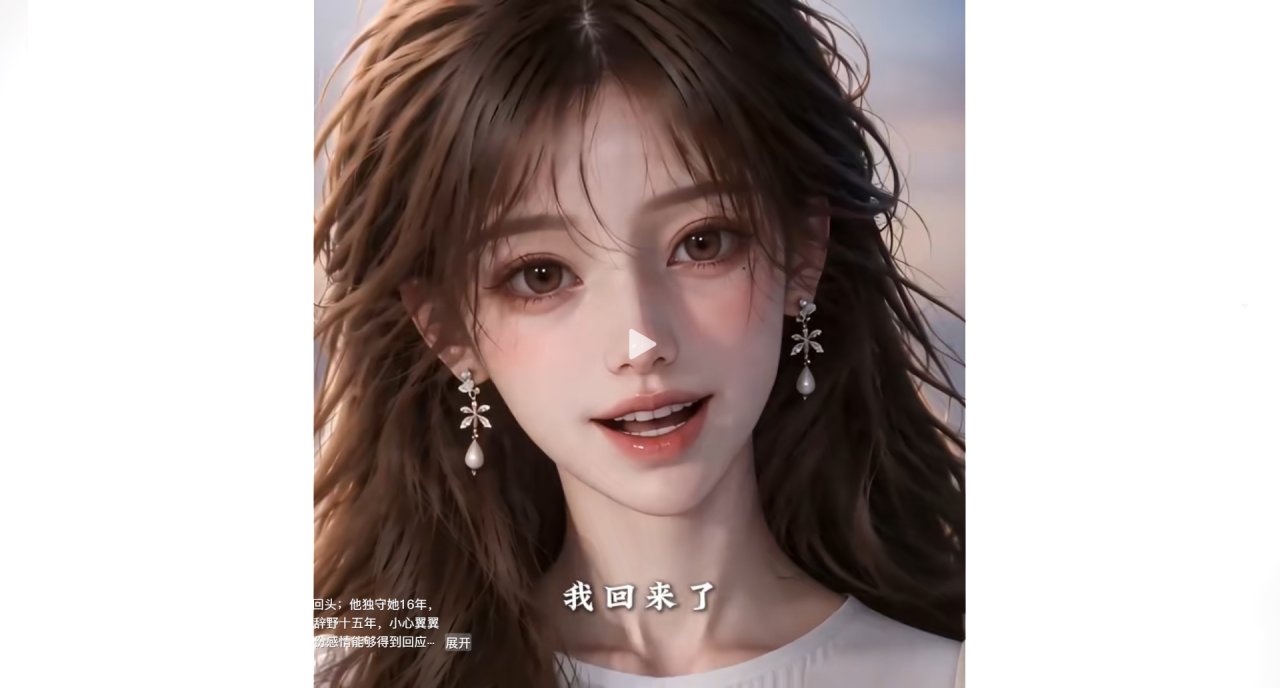
A male lead’s reincarnation transforms fifteen years of silent, unrequited love into sixteen years of haunting regret. Now reborn with memory intact, he breaks all social norms to claim his muse, creating a high-stakes romantic drama that captivates audiences with its intense emotional payoff.
The Story
The narrative centers on a profound reversal of fate. In the previous life, Xu Muwan loved Fu Ciye silently for fifteen years, hiding her affection in diaries and seven peace talismans, never daring to hope for reciprocation. Her death revealed the depth of his hidden care, leaving him to mourn her for sixteen years until his own passing.
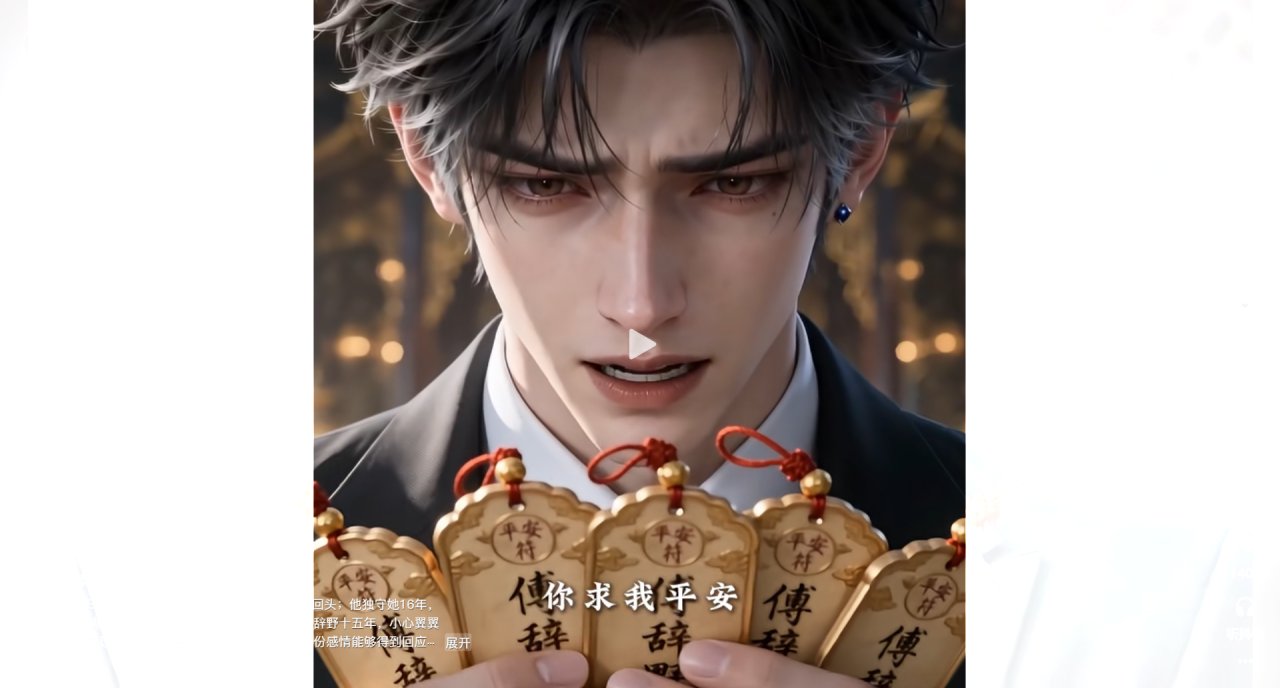
Reborn in 2023, Fu Ciye is no longer the distant figure she idolized from afar. He rushes through snow to confirm her existence, publicly dissolving an arranged engagement to clear the path for their future. The visual storytelling highlights this transformation: a close-up of the male lead, dressed in sharp black attire, holding golden talismans inscribed with his name. His amber eyes, marked by a tear mole, convey a mix of obsession and tenderness. The scene captures the moment he realizes, “You prayed for my safety,” bridging the gap between her past devotion and his present redemption. This dynamic shifts the power balance, as the once-bashful heroine faces a suitor who is aggressively protective and emotionally available, challenging her self-doubt with unwavering certainty.
The Voices
01. The Appeal of Male Agency in Romance
“Finally, I've seen a drama where the male lead actually does something.”
“Do men like this really exist in real life?”
“This is exactly the type I love.”
Think Tank Insight: Audiences are fatigued by passive protagonists. The overwhelming praise for the male lead’s proactive behavior reflects a desire for agency in romance narratives. Viewers crave characters who actively dismantle obstacles rather than waiting for fate, signaling a shift towards empowerment-driven romantic tropes.
02. Emotional Catharsis and Heartbreak
“I'm breaking down; I feel such intense pain too...”
“In mutual love, if one dies, the survivor's life...”
“Are there any really heartbreaking short dramas...”
Think Tank Insight: The strong reaction to the backstory’s tragedy indicates that emotional pain serves as a catalyst for engagement. Fans seek catharsis through shared sorrow, using the fictional heartbreak to process real-life anxieties about loss and the fragility of connection, validating the genre’s role as an emotional outlet.