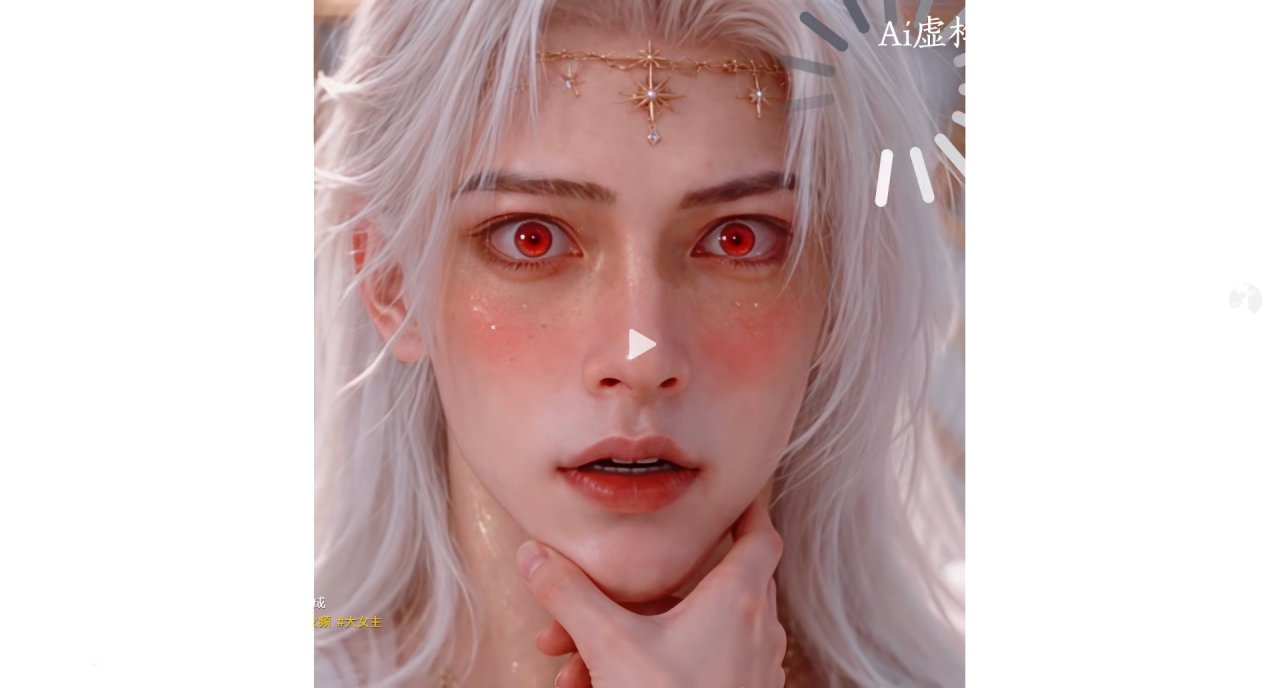
The screen flickers. A generated face appears, smooth and flawless in a way that real skin never is. The protagonist stands before a choice: kiss the man with the waist chain or walk away to chase wealth. The algorithm offers six different paths. It does not care which one you pick.
But the audience does. They are not watching for the plot twist. They are watching for the permission to be greedy. The tension here isn't between two characters. It is between the clean, logical structure of AI storytelling and the messy, contradictory desires of human viewers who want it all.
The Hunger for More
In this interactive drama, the system prompts a decision. The comments section erupts not with analysis of the script, but with raw, unfiltered longing. One viewer types, 「Got it. When I see a hot guy, I kiss him first.」 Another screams, 「Touching abs and kissing—what a win!」
This is the core conflict of modern short-form consumption. We are told to choose our own adventure, yet we resent the limitation of choice. The highest-rated sentiment isn't about narrative coherence. It is about accumulation. 「Can't I choose them all? [System crash]?」 asks one user, highlighting the absurdity of having to select just one romantic outcome when the visual feast includes multiple attractive options.
The desire for money is equally potent, often intertwined with romance. 「RMB! RMB! My voice is hoarse from shouting!」 writes another. This isn't satire. It is a confession. In a world where love feels uncertain, currency feels solid. The comment 「God of Wealth」 appears repeatedly, a shorthand for the fantasy of being chosen by fate *and* fortune simultaneously.
| Emotional facet / observation dimension | Group consensus share |
|---|---|
| Simping and Active Pursuit | 35% |
| God of Wealth / Money Supremacy | 30% |
| Pure Love Warriors / Reluctance to Clear the Game | 25% |

The Horror of Swiping Right
There is a darker undertone to these enthusiastic requests. The speed at which decisions must be made creates anxiety. 「Swiping right is basically a horror movie,」 notes a commenter. The pressure to optimize your romantic outcome in seconds mirrors the exhaustion of modern dating apps.