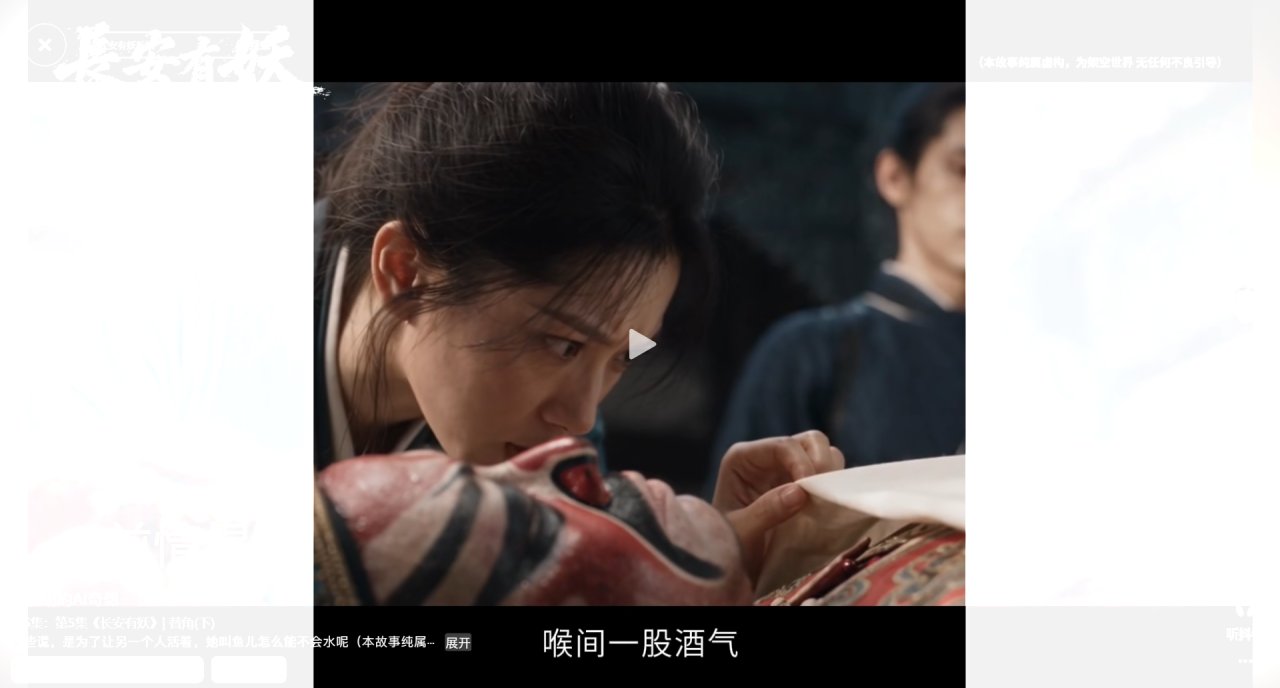
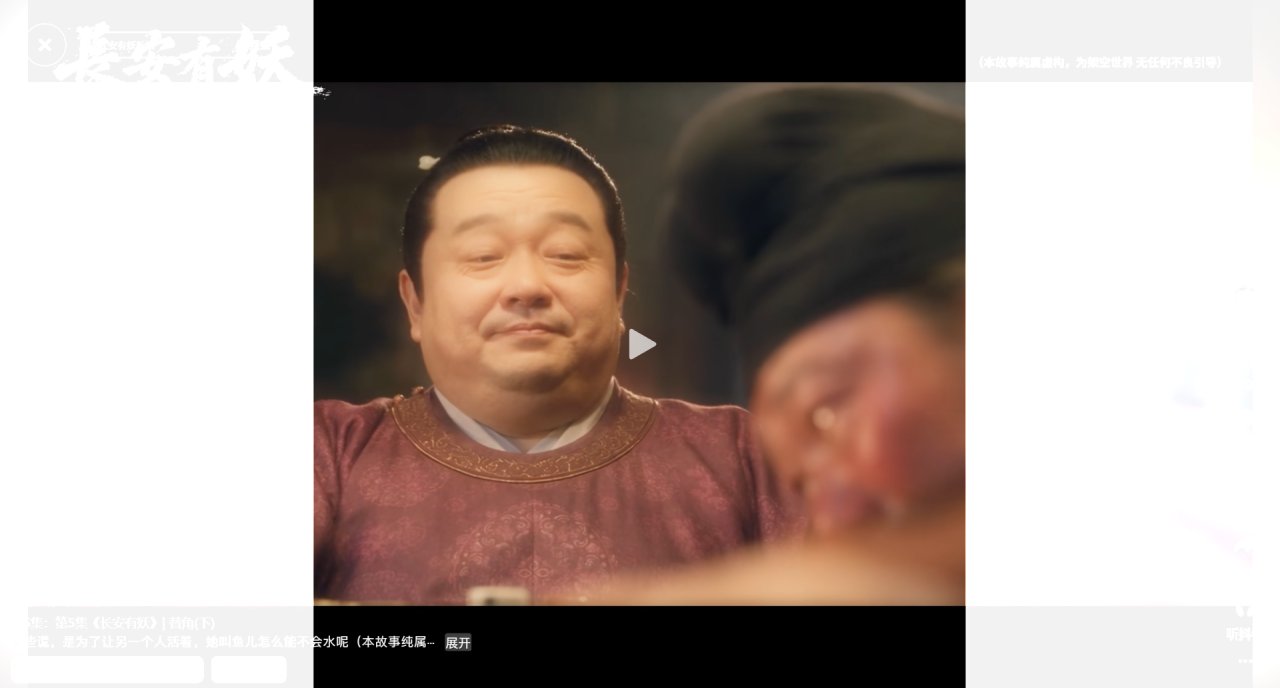
A single walnut sits in the palm of a man dressed in dark purple, his expression caught between amusement and scrutiny. Across from him, a figure bows their head, hidden behind the blur of a black cap, accepting a silence that feels heavier than any spoken threat.
This is not just a scene; it is a transaction of survival. The candlelight flickers against warm brown shadows, illuminating the gold embroidery on the man's collar while leaving the other person’s face entirely unseen. In this dim room, power is not shouted—it is handed over, piece by piece, like a rough nut passed to someone who must pretend they are hungry.
The Weight of Unspoken Truths
The tension here relies on what isn't said. The man with the walnut offers a token—perhaps food, perhaps proof, perhaps a trap. His eyes narrow slightly, a look that suggests he knows exactly how much pressure the bowed figure can withstand before breaking.
Viewers immediately grasp the stakes: this is a game where one wrong move means disappearance. The visual language is precise. The shallow depth of field forces us to focus on the hand and the face, ignoring the rest of the world. It creates an intimacy that is uncomfortable, as if we are eavesdropping on a conspiracy that could end badly for the person standing still.
Voices from the Dark
The audience reacts not just to the plot, but to the texture of the fear. Comments reveal a deep engagement with the moral ambiguity of the characters:
- 「Will the young man taking the blame be rescued?」 - 「The law shows no mercy, but warmth exists among...」 - 「Actually, people who took concubines in ancient...」
These reactions highlight a fascination with the cost of protection. One viewer notes, 「I've always wondered why gambling debts are pai...」, suggesting that the financial or social debt implied in the scene resonates with real-world anxieties about owing something you cannot pay back. The consensus is clear: the drama works because it makes the viewer feel the weight of the secret being kept.
| Emotional facet / observation dimension | Group consensus share |
|---|---|
| Urging Updates and Anxious Emotions | 40% |
| Plot Speculation and Discussion | 35% |
| Episode Quality and Texture | 25% |
Why We Watch the Silence
There is a sharp disagreement in the comments regarding the pacing versus the payoff. Some users complain, 「Can you update faster? [crying] The longer the ...」, expressing frustration at the cliffhanger nature of these short episodes. Others counter this impatience with appreciation for the craft: 「Since it's a one-person production, quality mus...」 and 「Looks great, hope the blogger continues to upda...」