Fiancée's Betrayal, Dante's Inferno* is a 68-episode soldier-revenge drama with about 131 million views that has been climbing the weekly trending charts again — it cracked the top fifteen of the most recent week's gainers while older shows around it cooled off. The premise is a returning-soldier nightmare played at full volume. **Dante Bosch spent three years in the Marine Raiders on a mission so classified he could not tell his own family where he was. He comes home to a wedding he expects and finds instead: his fiancée Lilith is pregnant, the father is his brother Virgil, and his savings are gone.
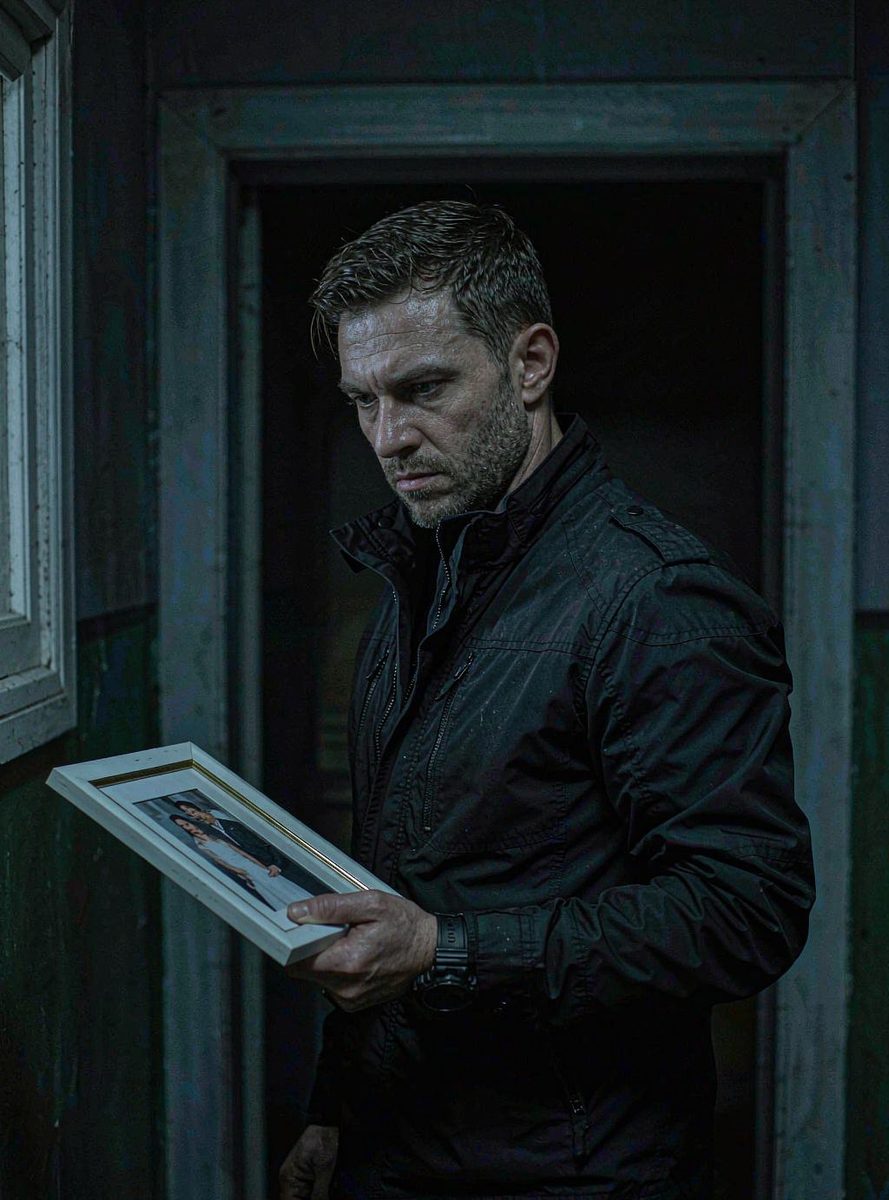
The first act is engineered to make you furious
The show stacks the injustice with real discipline. It is not just the affair. Dante comes home having saved his country and saved his money, planning to reveal his true rank and give Lilith the world — there is a Medal of Honor ceremony in his head. Instead: the engagement is a ruin, the bank account is emptied by his own brother, and his parents, who should be the one safe place left, take Virgil's side. Every episode of the first act adds a humiliation, and the show makes sure you feel each one before anything turns.
What keeps it from being just noise is that Dante does not strike back immediately. He is a disciplined man, and the show uses that discipline as a suspense device. He sees everything. He says almost nothing. The people around him read a quiet, uncomplaining soldier as a pushover — his own parents included — and the audience spends those early episodes watching people badly misread the most dangerous person in the room. That gap between what the family thinks they know and what Dante actually is carries the whole season.
The wedding scene is the payoff everyone is there for
The title promises an inferno, and the show delivers it at the worst possible venue: his brother's wedding. Dante is the best man. The bride is his ex-fiancée. The guests pity him, rumors are already circulating — planted, as it turns out, by Virgil himself — and the family has been pressuring him to sign over his house. And then Dante stands up to give a speech, and the speech becomes a screening. The wedding gift is a video that exposes Virgil's lies in front of everyone who matters, including the rumor mill, including the money, including the parents who chose the wrong son.
It is one of the most satisfying public reckonings the format has produced this year, and the show earns it honestly: every element of the reveal was planted in the first half, so when the video plays, the payoff is a receipt, not a twist. And the family's reaction — regret, denial, the slow dawn that they picked the wrong brother at every turn — begins the long collapse the title promised. This is the beginning of their downfall, not the end of it, and the back half collects the debts scene by scene.
text-decoration-style:initial;text-decoration-thickness:initial;text-indent:0px;text-transform:none;white-space:normal;widows:2;word-spacing:0px;">The romance is a subplot that quietly fixes the formula
Here is the part I did not expect: the best writing in the show belongs to the second-chance romance. Trish Burgess, a CEO from a family with serious connections, meets Dante when he stops a robbery and saves her life — and she becomes his refuge, not his rebound. The show is unusually patient with her. She does not chase, does not rush him, and the story explicitly notes that she waited for him to love her wholeheartedly before anything moved. After fifty episodes of a family that took everything from him, watching a stranger extend trust without demanding a performance in return is the emotional center of the back half.
It also reframes the genre. Plenty of betrayal shorts are pure spite machines — the revenge is the story, the heroine is a trophy. This one is closer to a family drama with a war hero at its center: the revenge settles the past, the romance builds the future, and the show gives both enough room that neither feels like filler.
Why it is resurfacing on the charts now
The numbers explain the second life. All 68 episodes are out, the view counter sits around 131 million, and the show posted nearly five million new views in the most recent tracked week — enough to rank among the fastest-growing dramas on the board while newer releases burned bright and faded. That is the signature of a catalog title with real staying power: it grows steadily on word of mouth instead of banner placement, and the fans keep pointing new viewers at episodes two and sixty-eight, the two most-liked episodes of the run, which happen to be the setup and the payoff of the wedding reveal.
Who should press play
If you want a romance-first drama, this is not it — the love story matters, but the family reckoning is the spine. If you want the returning-soldier revenge formula executed without wasted scenes, with a hero who underestimates nothing and a villain who never once deserves the grace he receives, this is one of the cleanest versions available right now. Watch it for the wedding speech, stay for Trish, and enjoy the specific pleasure of watching proud parents slowly understand how badly they chose.
One warning: the first act is deliberately humiliating, and some viewers will want to skip ahead. Do not. The video receipt at the wedding only works because you sat through every theft first.

When you want a war hero who settles every score, open Reeleasy and browse the shelf — the receipts always get read eventually.