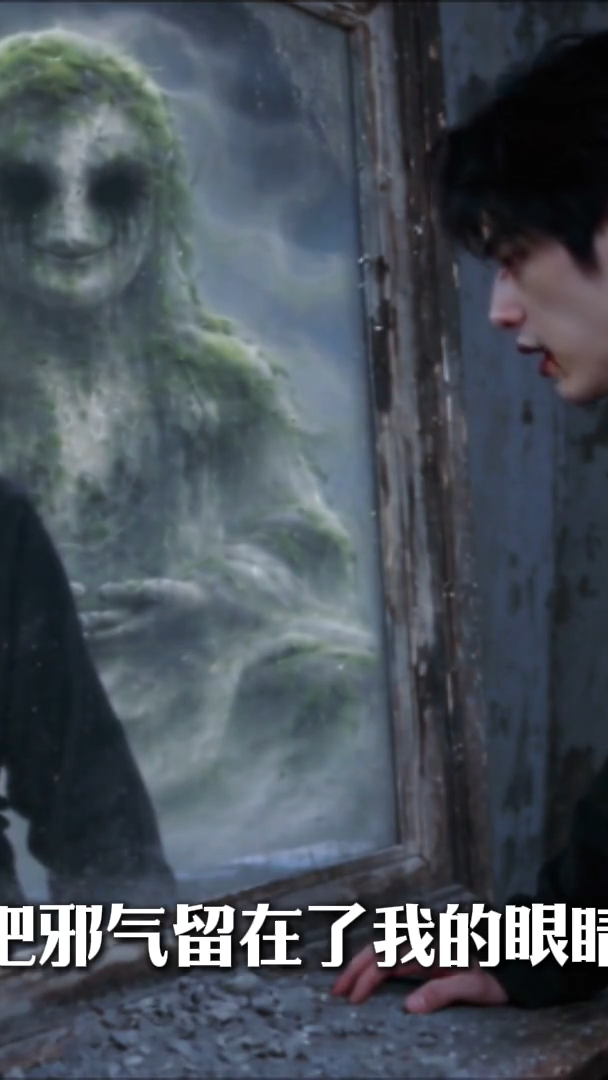
Episode 15 of Xiao Dao Shi ("The Little Taoist"), an AI-made suspense serial, sends its young hero up a mountain alone to find the truth. Open the comment section and you'll notice something odd: the two hottest comments weren't written by viewers. They were written by the creator. The first — "Friends, next episode drops here. Stayed up all night to get this out for you" — has more than 2,200 likes; the second, a plea for recommendations and support, has over 660. The top comment from an actual viewer is a tease: "This Taoist's cultivation is way too low — he walks straight into danger like it's nothing" (hen gan qu song — "daring enough to go deliver himself"), nearly 400 likes, and the creator liked it back. Right behind it: "I thought he was a hidden master — turns out he's a xiao karami" (karami, internet slang for "small fry"), with 200-plus likes.
These two clusters of numbers sketch what AI serial dramas have become: the audience isn't following just the show anymore — it's following the person staying up all night to update it. Read alone, "stayed up all night" sounds like a pleasantry; holding the top spot in the whole comment section, it functions as an admission the audience made with their likes: this person's updates are part of my own routine. A serialized drama's hook hangs half at the end of an episode and half in the comment section. And that top comment carries 600-plus replies — an update announcement with a few hundred floors under it means viewers treat the creator's comment section as the clubroom, checking in, nudging, chatting, waiting. One viewer even wrote, "Creator, please take care of your health — if you haven't slept, get up and update soon," with over 100 likes. Less a demand than concern for the act of updating itself. One "up all night" from the creator, one "take care" from the audience: a serialized drama's emotional ledger gets written exactly like this, entry by entry.
The teasing does the same job. "Cultivation too low, walks into danger anyway" and "can't you call for backup when you're losing?" (yao ren — internet slang for summoning your crew) look like complaints about a weak protagonist, but they're participation: viewers are deploying troops for the hero, sparring with the plot. Watching the