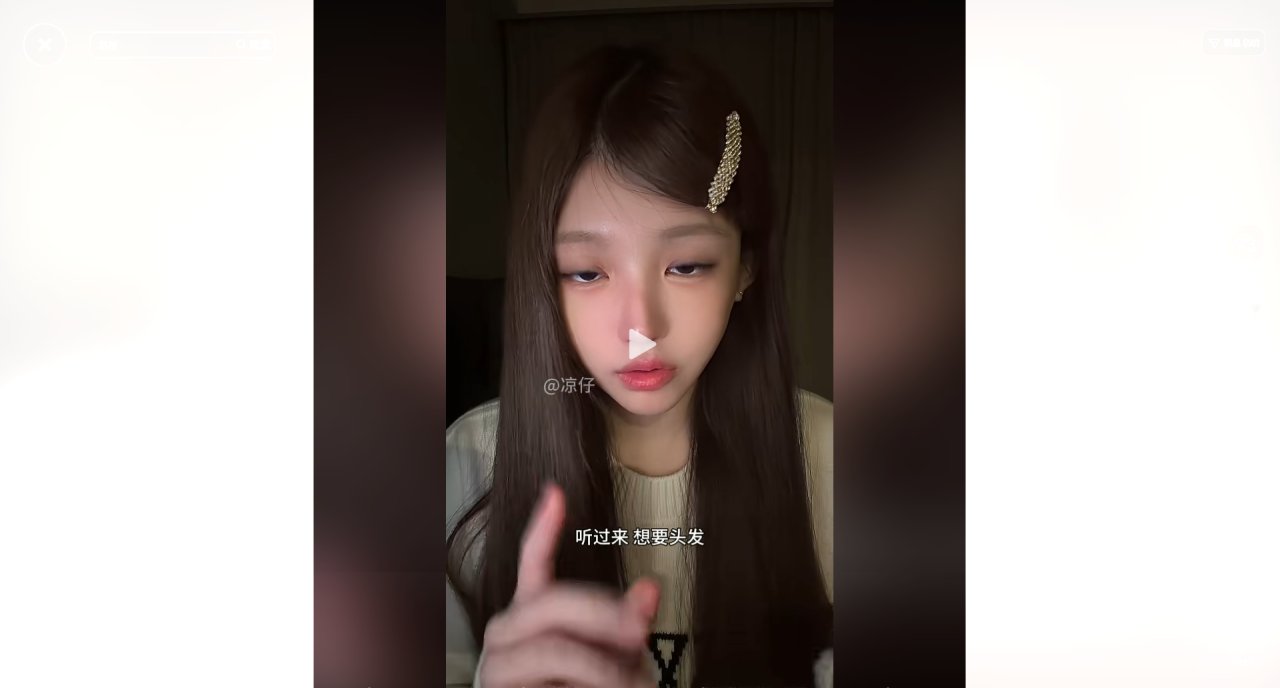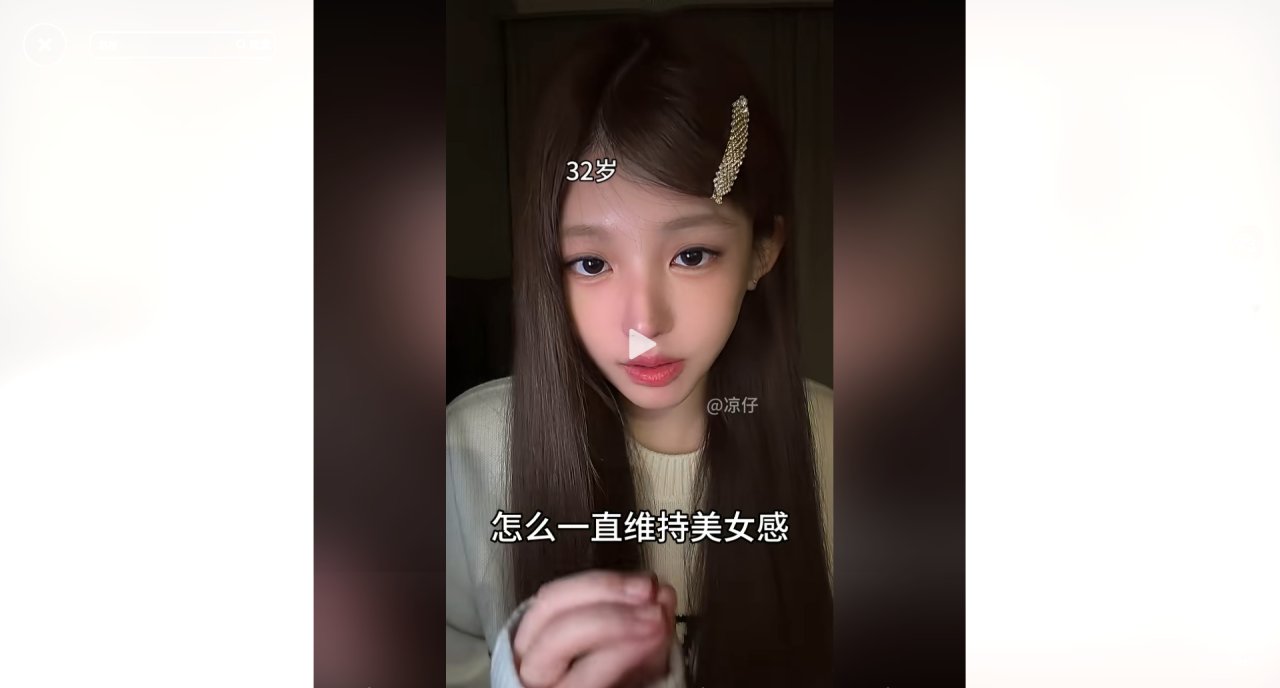
You scroll past a video titled *8 Ways to Boost Your Beauty Vibe*, and for a second, you think: maybe I can just see what this looks like on me. The creator talks about fluffy hair, natural body scent, and clean brows as "atmosphere" rather than hard features. But you hesitate. You worry that if your hair is oily or your face shape is different, these tips won't work. Or worse, you think you need to spend money on specific shampoos and perfumes before you even know if the style suits you.
This is where many people get stuck. They want the result but dread the trial-and-error cost. What if the "plastic glove wash method" mentioned in the tutorial doesn't fix your thinning hair? What if the peach-scented mist clashes with your skin chemistry? Instead of guessing, there is a way to visualize the vibe first.
Why atmosphere beats perfection
The core idea in these beauty tutorials is not about changing your bone structure. It is about polish. The video suggests simple steps: using a plastic glove to lather shampoo better, mixing conditioner and oil in a bottle for a quick rinse, or brushing lashes at the root for brighter eyes.
But comments reveal the real anxiety. One user says, "I feel like hair really just comes down to genetics." Another asks, "Step one is losing weight. I can't do it." These doubts are valid. If you have fine, flat hair, will the "S-shaped bangs" actually hold? If you sleep on your side, will posture corrections help? Before buying expensive treatments, you might want to see how the *idea* of the look translates to your actual photo.
How to test the vibe without spending a cent
Imagine uploading a casual selfie to deepdraw. You pick a template focused on soft lighting and natural textures. Three seconds later, you get an image-to-image result. It isn't a fake portrait; it is a preview of how certain styling choices—like smoother hair texture or defined brows—might alter your overall impression.
This helps answer the question: "Do I look more 'polished' with this hairstyle concept?" You can compare the original and the generated version side by side. In the original, your hair might look flat due to lighting. In the processed version, the AI enhances the volume suggested by the template. You aren't pretending; you are evaluating potential. If the generated look feels forced, you know that specific style isn't for you. If it feels natural, you have a clear target for your next haircut or makeup session.