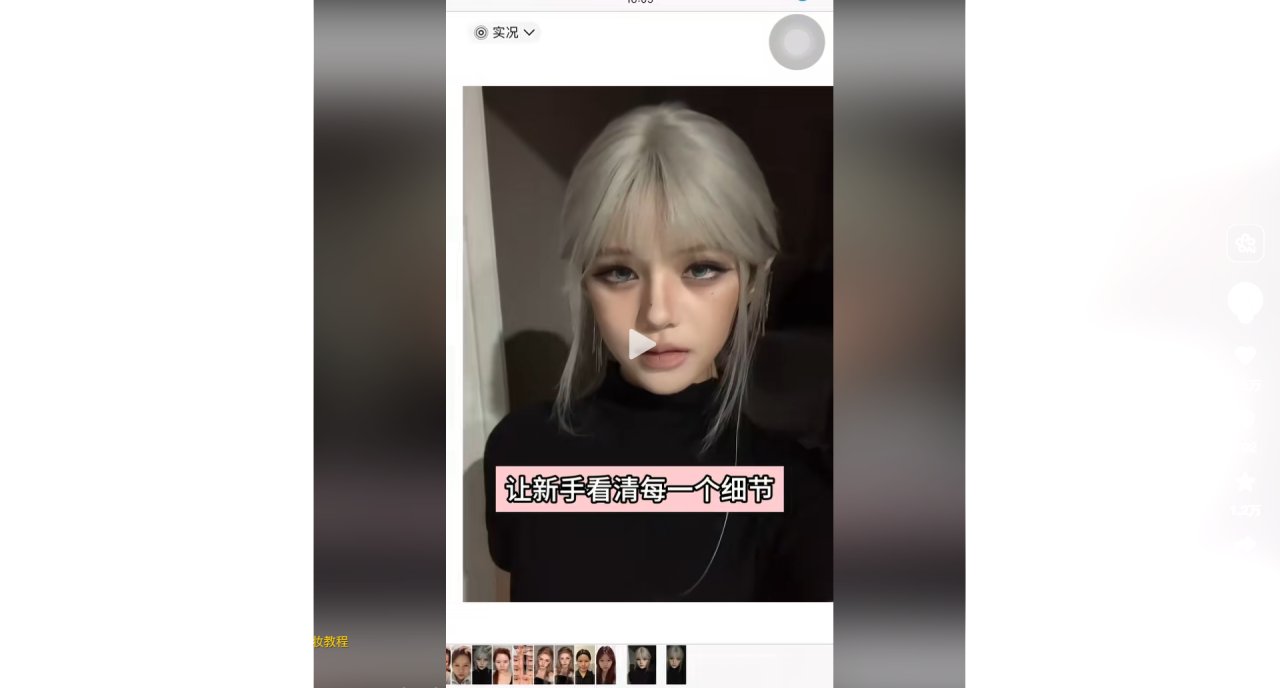
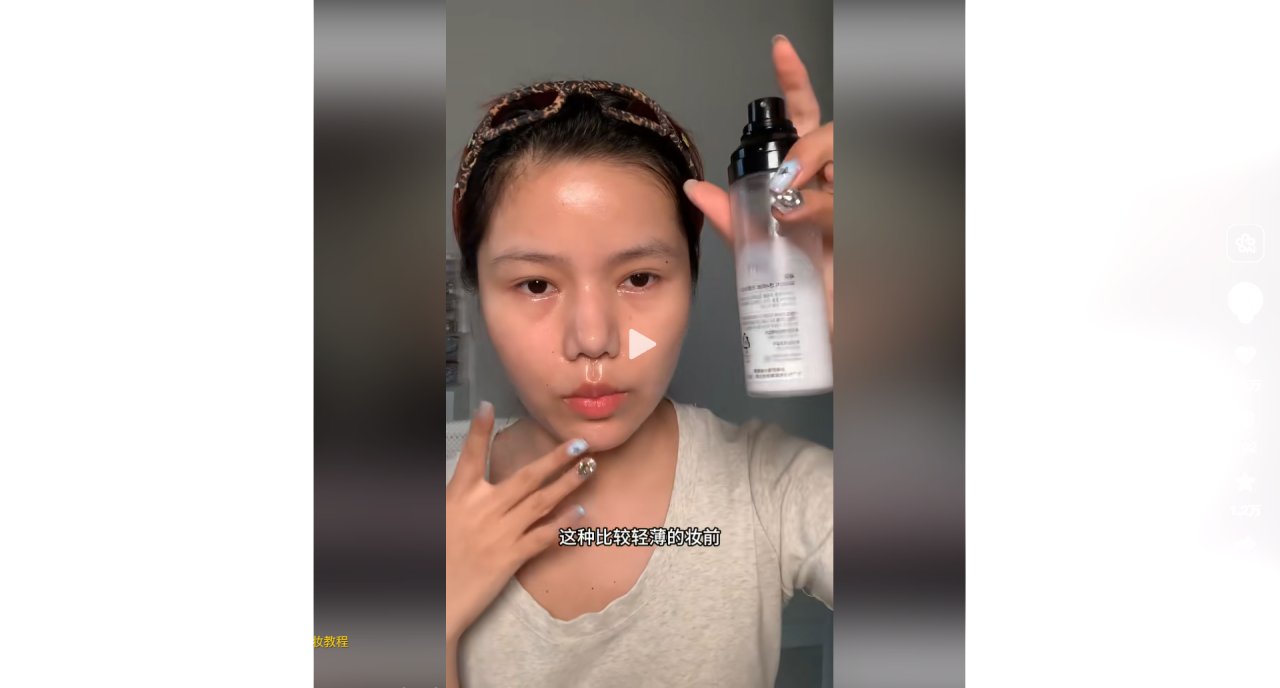
You watch a tutorial for the Korean-style "wilting" makeup, where the focus is on a clear, natural look that suits wide faces and puffy eyes. The creator explains how to use light earth tones to reduce swelling and how to draw inner eyeliner with a blade brush for a smoky effect.
You pause the video. You do not own a blade brush. You do not have the steady hand to apply concealer to the lower lid to create the "lower three whites" effect. You just want to see what this aesthetic looks like on your face without spending an hour failing at it.
The Barrier of Tools
People often think they need professional makeup skills or expensive tools to replicate these specific looks. They assume they must learn color theory for the cheekbone contouring or practice the exact angle for the nose shadow "fold".
But you do not need to master the technique to understand the result. You can test the visual impact instantly. If the style swap does not suit your features, you lose nothing but a few seconds. This removes the fear of wasting products or time before you even start.
Testing the Look
I opened deepdraw and selected a template from the library that matched the soft, melancholic vibe described in the tutorial. I uploaded a selfie where my eyes looked slightly tired and my cheeks were full.
The tool applied the image-to-image processing. It did not try to paint over my skin texture with fake perfection. Instead, it adjusted the lighting and shading to mimic the "liquid highlighter" effect on the forehead and brow bone mentioned in the guide.
What you do | What you see ---|--- Pick a soft-focus template | A preview with diffused edges Upload a casual photo | The system maps facial contours Wait three seconds | An image with subtle shadowing changes