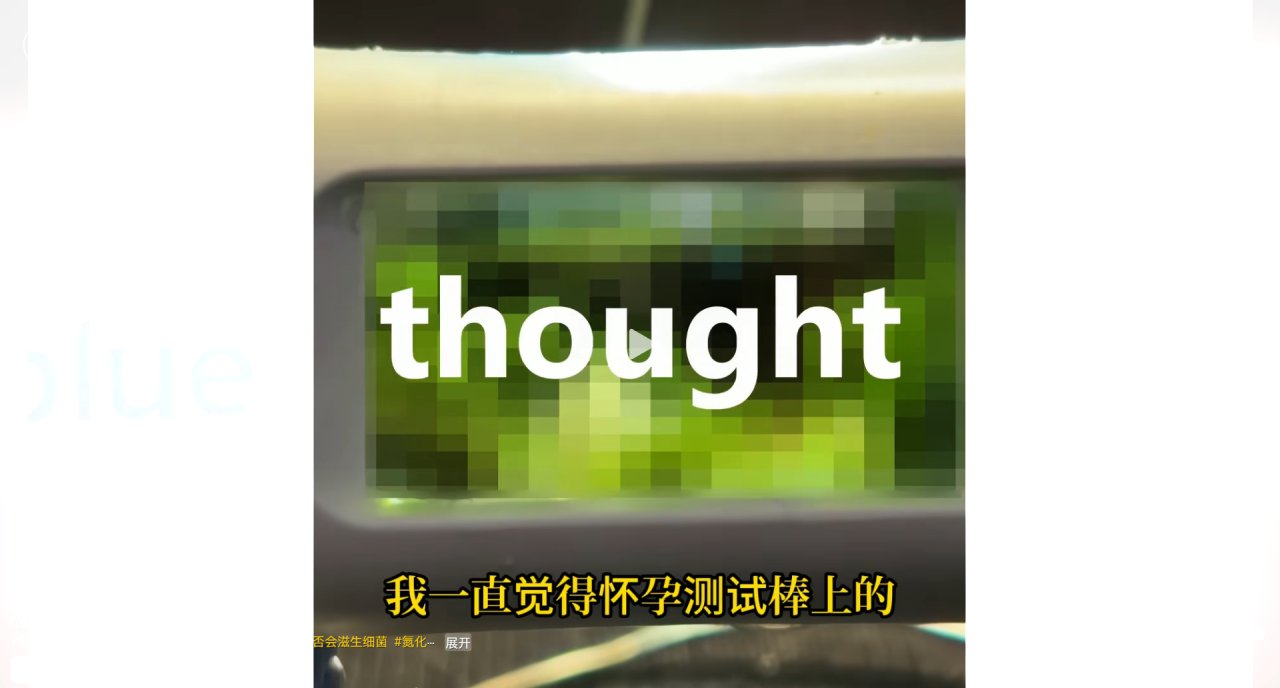
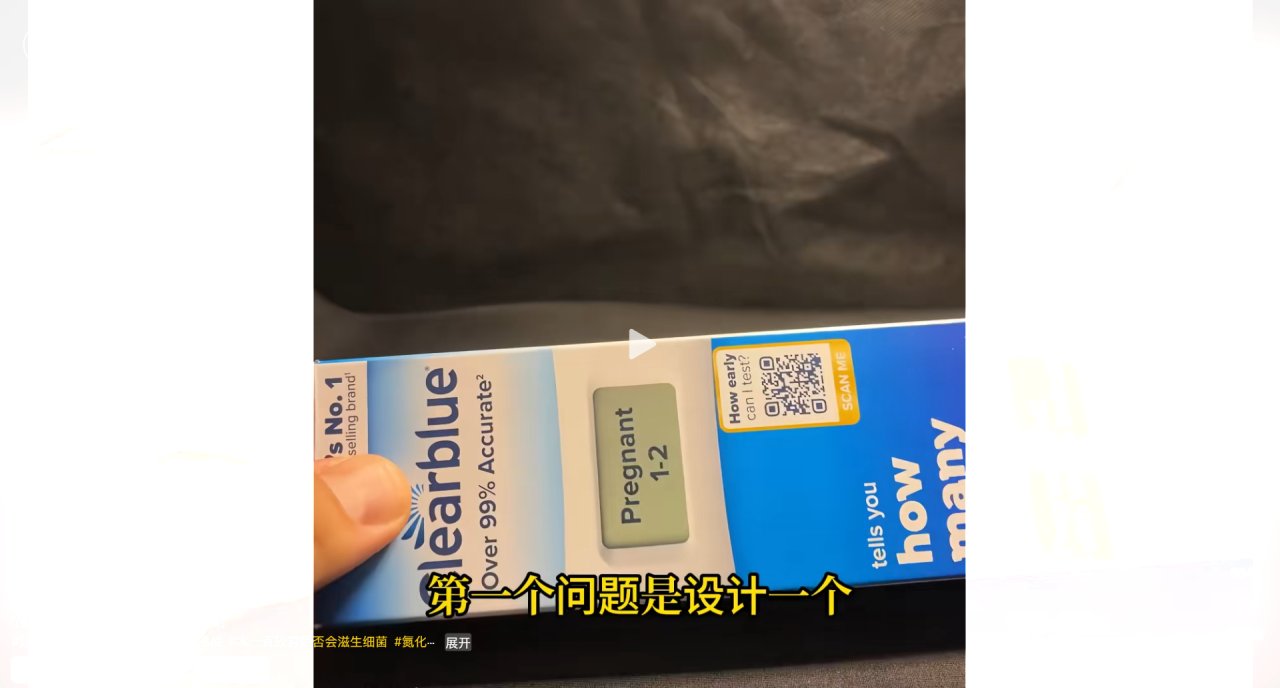
The video stops on a frame that looks like a still life from a very strange dream. In the dim light, against a backdrop of wrinkled dark fabric, a hand holds a Clearblue pregnancy test box. The packaging is clean, white and blue, promising accuracy. But the title floating above it reads “I built an aquarium on a pregnancy test.” It’s Episode 67. The creator has turned a private medical object into a stage for something else entirely.
There’s no glassware here, no chemicals, no fragile slides to break. Just a phone screen and a kid’s curiosity. The scene invites you to look closer at what happens when ordinary objects meet microscopic life. One commenter asked if water left sitting there would grow bacteria. Another worried about the paper towels absorbing microorganisms. These aren’t just jokes; they’re real questions about how we see the invisible world around us.
The questions don’t line up
A child watching this doesn’t ask things in order. They jump. “Wait, did a guy get pregnant?” comes before “Is this scientific?” Then later, “Why does it feel creepy?” The confusion isn’t a failure of understanding; it’s part of the process. When you’re looking at a pregnancy test used as an aquarium, your brain tries to reconcile the symbol (birth) with the function (water holding life).
The comments reflect this tug-of-war. Some people say, “It’s really cool. Water nurtures life.” Others click a despairing gaze emoji and type, “I’m speechless.” There’s humor, too—“Predicting dancing raccoons”—but underneath it all is a genuine hesitation. Is this science? Is it art? Is it just weird? The kid doesn’t care about the category. They care about what’s moving in the water.
Seeing the unseen
This is where Wwai fits in. It’s not about replacing a lab class or pretending a phone is a microscope. It’s about simulation. On the app, a kid can open a digitized specimen slide and zoom in until the blur resolves into shapes. If they ask, “What is that green thing?” the AI tutor stays beside them. It explains what it sees, but it also admits when it doesn’t know. Sometimes the answer is just, “Let’s look at another sample.”
In the video, the creator mentions designing an ecosystem. In reality, standing water does breed microbes. You can’t see them with your naked eye because they are smaller than the wavelength of visible light required to resolve them individually. But under magnification, they move. They divide. They consume. Wwai lets a family explore that layer without needing a drop of pond water on a slide. It’s a safe space to ask, “Are these alive?” and watch the answer unfold on screen.