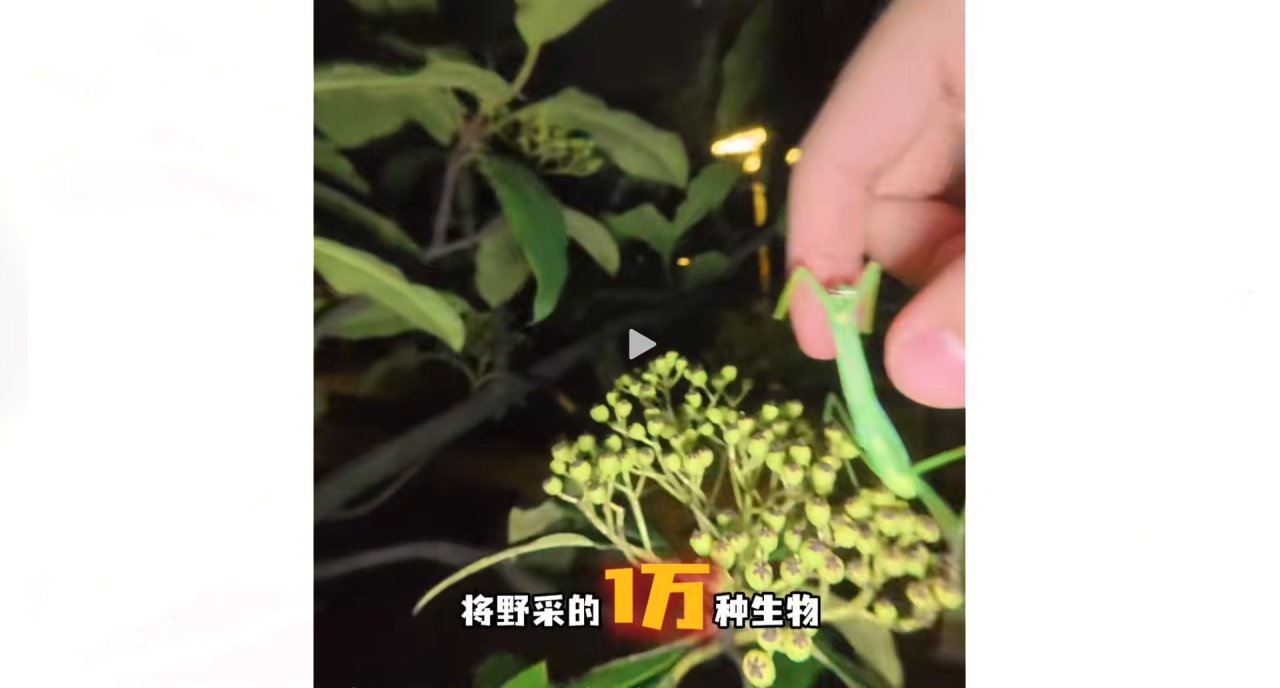
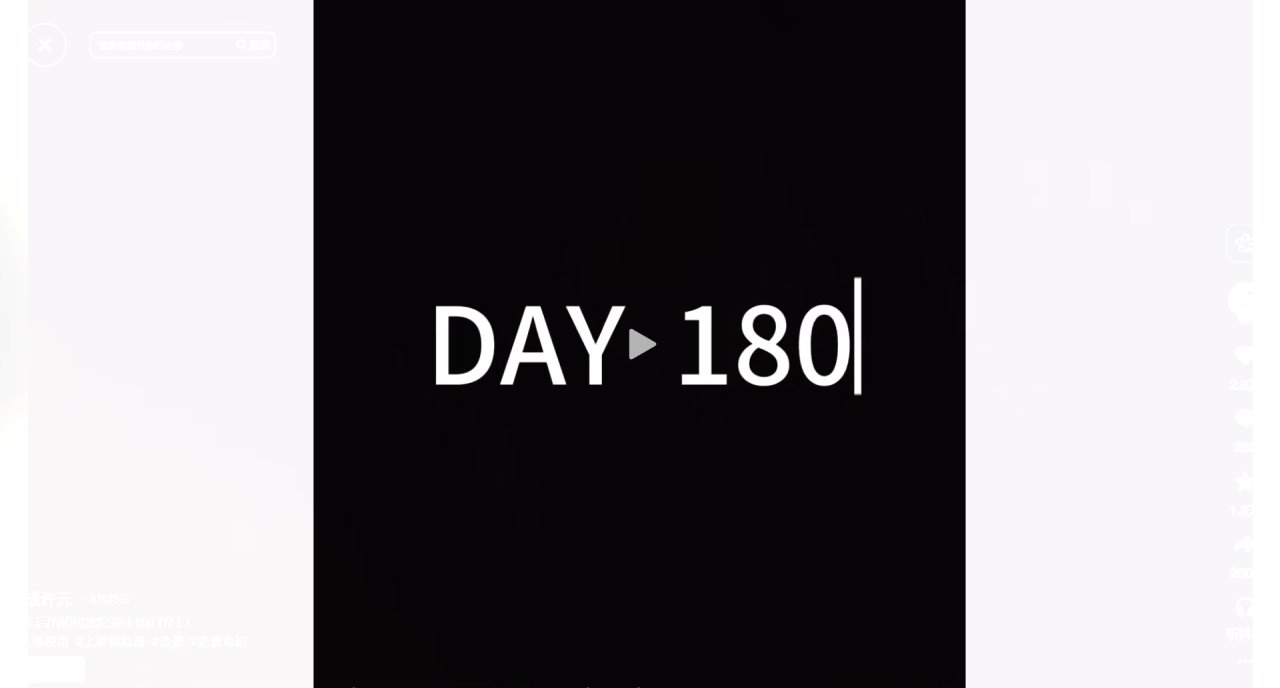
The screen is black, save for a single line of white text centered in the void. It reads “DAY 180,” with a thin vertical cursor blinking after the zero. There are no images, no sounds, just that counter ticking up in silence. Below it, a caption promises that in half a year, the simulator will welcome its king. The comment section buzzes with speculation about crocodiles and mantises, but the image itself holds still. It’s a pause before the event, a breath held by thousands of viewers waiting to see what grows when you seal a tank and walk away.
This isn’t just about watching bugs eat each other. It’s about the tension of an ecosystem balancing itself without human intervention. When you look at that black screen, you’re seeing the weight of time. Six months of invisible work. Microbes breaking down waste, plants adjusting to light, predators waiting for prey. The “king” mentioned in the caption isn’t a creature you can buy or breed; it’s a state of equilibrium. And getting there requires patience that most kids—and adults—don’t think they have.
What happens in the dark
We tend to think of science as something loud. Explosions, bright colors, immediate results. But biology is often quiet. In a sealed terrarium, or even a jar with a damp paper towel, things happen that you can’t see with your naked eye. You might notice a leaf turning yellow, but you won’t see the fungal hyphae threading through the soil, recycling nutrients back into the roots. You won’t see the bacteria colonizing the glass walls until they form a biofilm thick enough to fog the view.
That’s where the gap lies. We see the outcome—the dead fly, the new sprout—but we miss the process. The cursor on Day 180 blinks because the system is running. It’s not stopped. It’s working in the gray areas, in the microscopic spaces between what is visible and what is vital. A child staring at a phone screen might feel bored by the lack of action, but the boredom is actually a lesson in pacing. Real ecosystems don’t perform for us. They just persist.
Seeing the unseen
When my son first opened Wwai, he didn’t want to wait. He wanted to see the “king” immediately. He tapped the screen, expecting a video to start. Instead, he got a prompt: *What do you think is happening inside this closed system?* He shrugged and said, “Nothing.” That was his starting point. From there, the app’s AI tutor didn’t correct him. It asked him to zoom in on a simulated slide of pond water.
He saw moving shapes. Not clear animals, just wiggles. “Are those worms?” he asked. The tutor explained that at that magnification, he was likely looking at protozoa, single-celled organisms that use cilia to swim. He couldn’t believe one cell could move like that. Then he asked if they ate anything. The tutor showed him a simulation of a paramecium engulfing a bacterium. It wasn’t a lecture; it was a visual answer to his question. He spent twenty minutes just watching cells eat other cells. He wasn’t learning facts; he was watching behavior. And he realized that “nothing” was actually “everything.”
The fear of germs vs. the joy of discovery
Parents often hesitate here. I hear it in the comments and in conversations at school pickup. Three worries come up repeatedly. First, *“Is this safe? Do I need to worry about parasites?”* Second, *“Will this replace real science class?”* Third, *“Is it just another screen distraction?”*