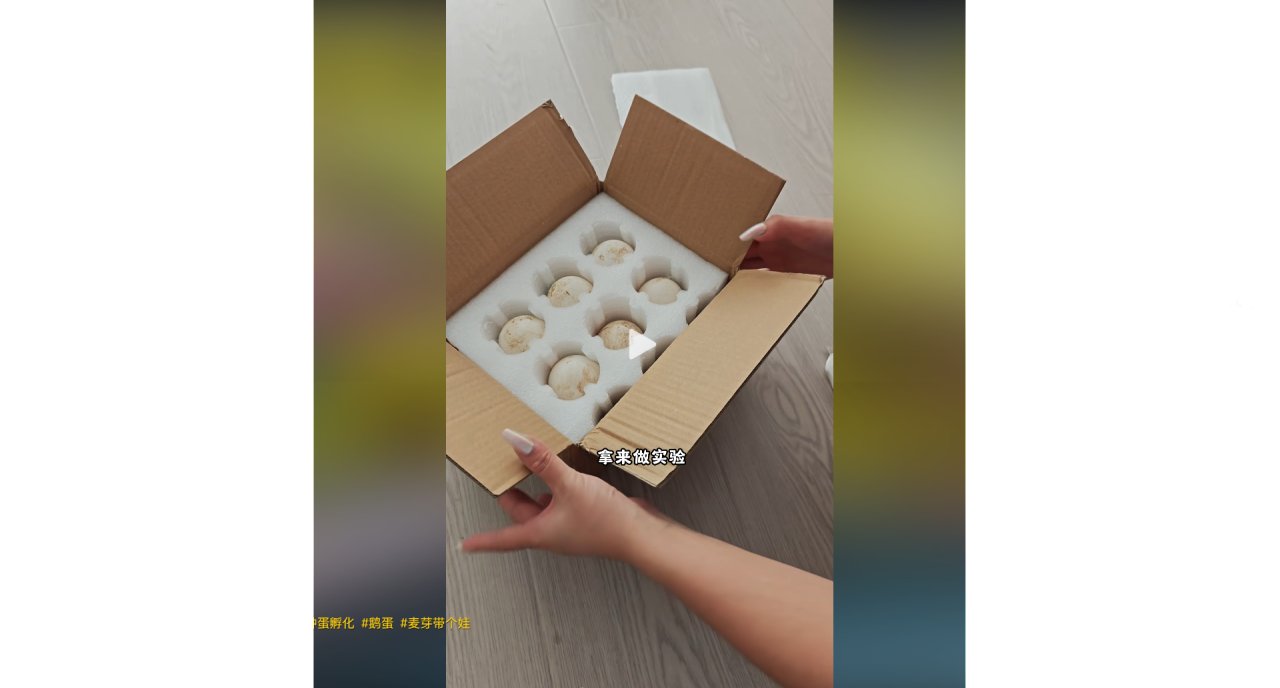
The cardboard box sat open on the light wood floor, its four flaps folded back like a cross. Inside, nestled in white foam cups, were six goose eggs. They weren’t clean. Brown speckles and smudges of dirt marked their creamy shells. A pair of hands with pale manicured nails held the edges of the box, tilting it slightly toward the camera. The caption read “Taking them for an experiment.” It was a quiet moment, just before the incubation began. There was no fanfare, just the anticipation of something alive waiting to happen.
The Math Doesn't Add Up
The video claimed these Wulong geese could lay 210 eggs a year. That number hung in the comments section like a challenge. One parent asked, “Geese lay only one egg every two days, yet 210?” Another pointed out that if they really laid that many, they’d be raising them themselves. The skepticism wasn’t about the science; it was about the sales pitch. Parents know when a claim feels too good to be true. They aren’t looking for magic breeds. They’re looking for honesty about what’s possible. If the bird lays one egg every other day, the math is simple: you don’t get 210 without some serious explanation or exaggeration.
Don’t wipe the shell
A comment warned, “Don’t wipe the eggs! Especially if they are wet.” This is where the real learning starts. The dirt on those shells isn’t just mess. It’s part of the biological story. The cuticle protects the embryo inside from bacteria entering through the pores. When a kid sees those brown spots, they might want to scrub them away. But leaving them alone teaches respect for the structure as it is. It’s a small act of restraint that mirrors larger scientific habits: observe first, intervene second.
Seeing Without Breaking
This is where Wwai comes in. Instead of risking a fragile glass slide or a broken shell, the child opens the app on their phone. The AI tutor walks them through the digital specimen library. They can look at the microscopic structure of a feather barbule or the cellular layers of a leaf without touching anything. The tutor doesn’t give answers upfront. It asks questions. “What do you see here?” “Why does this pattern repeat?” The child follows the prompts, zooming in on high-resolution images that show details invisible to the naked eye. It’s not a replacement for a lab class. It’s a place to practice looking closely, safely, and repeatedly.
Hatching Isn't Guaranteed
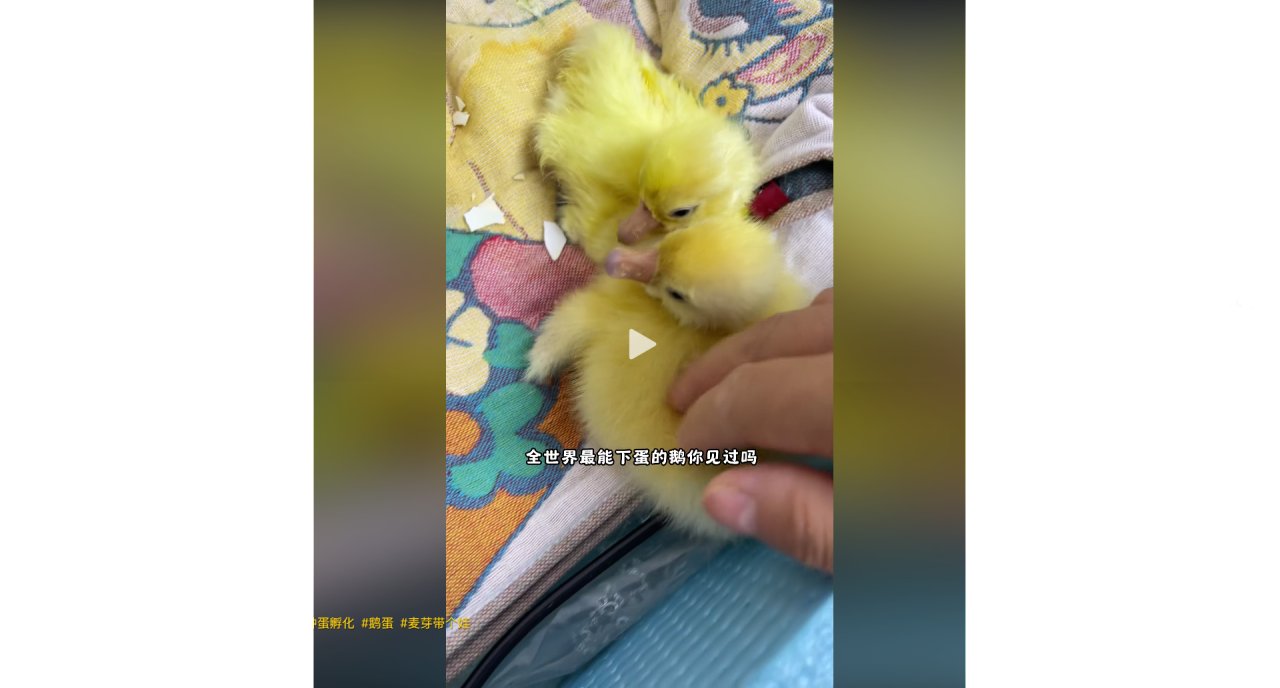
The comments revealed the emotional toll of failure. “I tried incubating three times and failed to hatch,” one user wrote. Another said, “Good news: two survived. Bad news: both are males.” These aren’t complaints; they’re data points. Science involves things going wrong. A kid who expects instant success will be disappointed. A kid who understands that hatching depends on temperature, humidity, and turning frequency learns resilience. The joy isn’t in the outcome. It’s in the process of checking, adjusting, and waiting. The app allows for simulation—what happens if the temperature drops? What if the egg isn’t turned? These scenarios let kids test hypotheses without losing a living creature.
Questions Come Out of Order
Real curiosity isn’t linear. In the comment thread, one person asked, “Who is the father of these little ones?” Another jumped to, “Can we use water to incubate eggs?” Then someone else noted, “Looking at the heads of these two goslings...” The questions bounce around. They don’t follow a textbook chapter order. That’s how kids think. They latch onto what confuses them. Is it the breed? The method? The sex determination? An educational tool needs to handle that chaos. It shouldn’t force a sequence. It should follow the lead of the question being asked.
What It Takes vs. What You Get
What it takes
What the kid gets
Patience to wait for results
Understanding that biology has timelines
Attention to detail (like not wiping shells)
Habit of careful observation
Acceptance of failed attempts
Resilience when experiments don’t work
The input isn’t money or time spent driving to a museum. It’s mental engagement. The output isn’t a grade. It’s a way of seeing the world that accounts for complexity. When a child looks at a dirty egg and thinks about the bacteria on the surface, they’re doing science. When they wonder why a goose lays fewer eggs than advertised, they’re doing critical thinking. These skills transfer to everything else they touch.
The Gap Between Expectation and Reality
There’s a distance between the promise of “world’s best layer” and the reality of a few speckled eggs in a box. For adults, that gap is cynicism. For kids, it’s a puzzle. Why the difference? How do we find out? The unglamorous stuff—dirt, failed hatches, confusing numbers—is where the actual learning lives. It’s not pretty. It’s not fast. But it’s real.
The hands lifted the box again. The eggs stayed still. The next step wasn’t visible yet.