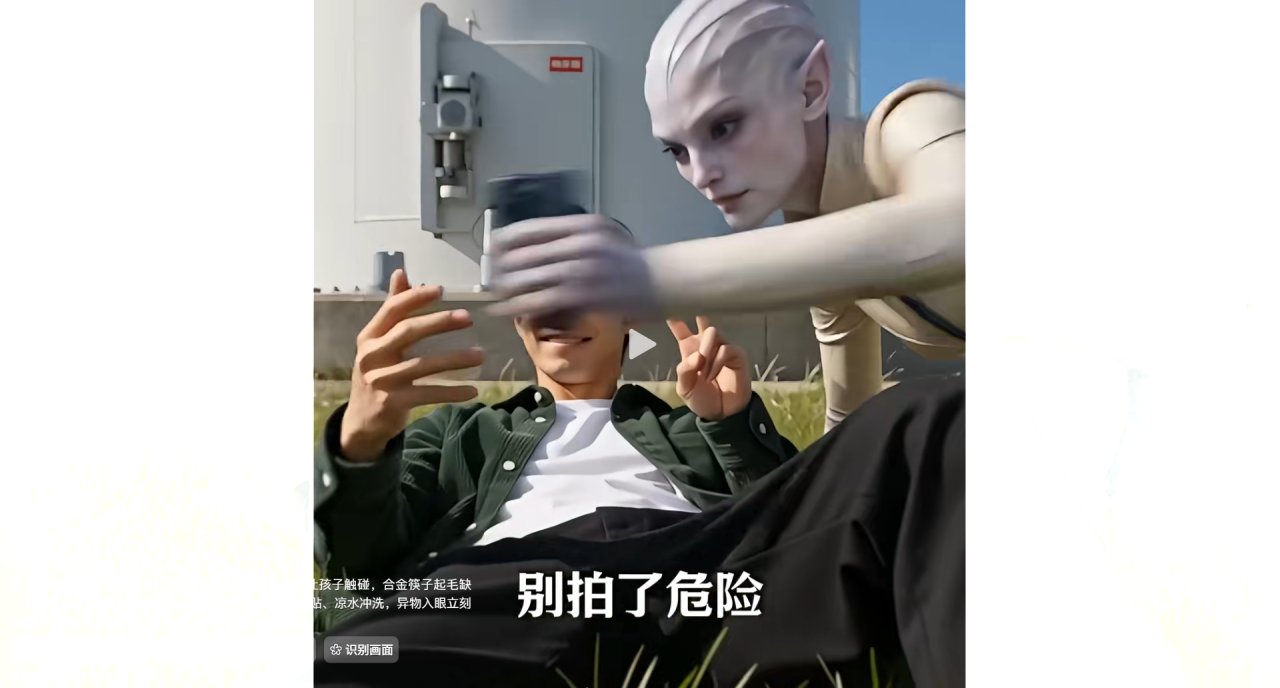
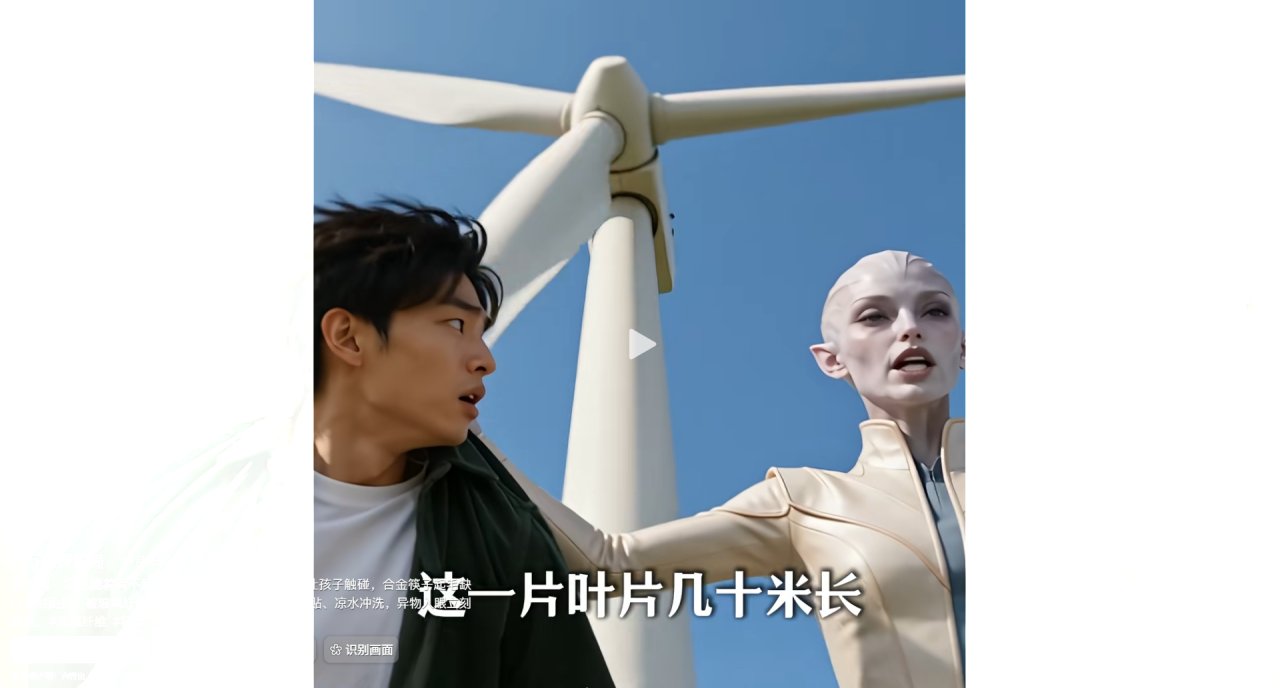
The video shows a clear blue sky and a massive white wind turbine, its blades stretching out with red tips. A young man stands there, mouth slightly open, looking at an AI-generated alien character who is gesturing toward the machine. The caption reads, “This single blade is tens of meters long.” It’s a scene designed to impress, but for many parents watching on their phones, it triggers a different kind of attention. They aren’t just seeing renewable energy; they’re thinking about the material that holds those giant structures together.
What the Comments Reveal
Underneath that polished visual, the comment section tells a rougher story. One person writes, “I touched asbestos tiles when I was young. That itch is real, the pain is real, and not seen.” Another shares a memory from over thirty years ago: “I once sat on a chair outside a pharmacy while...” and trails off, implying the fiberglass splinters that got stuck in their hand. There’s a mix of nostalgia and anxiety here. People talk about old rural roofs, fishing rods, and helmets. One user notes, “Don't be too anxious. Only aged materials shed fibers,” while another worries, “Places like this basically won't see much development.”
The fear isn’t always about the turbine itself. It’s about the invisible shards that might be lurking in everyday objects. When a child plays near construction sites or handles certain toys, the risk of getting a tiny, sharp fragment lodged in skin is a tangible concern. The comments highlight a specific sensation: the sting that lingers after you’ve already moved on. It’s not dramatic, but it’s persistent. And it raises a question about what we know versus what we can actually see with our naked eyes.
Seeing the Unseen
Fiberglass is made of extremely fine strands of glass. To the eye, a finished product looks smooth and solid. But under magnification, those surfaces are often covered in microscopic shards that can break off. This is why the naked eye misses them until it’s too late. You don’t see the needle; you only feel the prick later.
When a kid asks why something feels rough even though it looks clean, they are hitting on a fundamental principle of materials science. The surface area-to-volume ratio changes everything. What seems safe at arm's length can be hazardous at close contact. Understanding this mechanism helps explain why safety guidelines insist on gloves for handling insulation or why fire blankets need careful storage away from curious hands.
Exploring Without Risk
This is where Wwai comes into the picture. It doesn’t replace the need for caution, but it offers a way to look without touching. A parent might watch their child open the app and select a digitized specimen slide of a fiber bundle. The AI tutor walks them through the structure, pointing out how the strands weave together. The kid zooms in, following the prompts step by step. The tutor explains what is visible, admits when it doesn’t have the answer, and keeps the question going. It turns the abstract fear of “invisible stings” into a concrete observation of structure. The child checks the conclusion themselves, building a mental model of why the material behaves the way it does.
Safe Handling Tips
If you do encounter fiberglass splinters, the advice from health sources is clear: do not rub the area. Rubbing pushes the fragments deeper. Instead, use tape to lift them out or rinse with cool water. If an object gets into the eye, seek medical help immediately. These steps are simple, but knowing *why* they work—because the fibers are brittle and sharp—makes them easier to remember.
For families doing science at home, the unglamorous stuff matters most. Checking the alloy chopsticks for nicks, ensuring the ironing cloth for Perler beads (which may contain similar synthetic fibers) is intact, and keeping kids away from damaged insulation. It’s not about scaring them; it’s about giving them the tools to recognize hazards before they become injuries.
One commenter recalled, “Kids back then were really hard to kill.” That sentiment carries weight. We weren’t taught to respect the material, just to endure the result. Now, having a simulation that lets a child inspect a fiber up close, without the physical risk, bridges that gap. It allows curiosity to proceed safely. The alien in the video gestures toward the turbine, but the real lesson is inside the phone screen, waiting for the next question.