The eel in the glass tank didn't grow much, but it stayed put
Published: November 20, 2026 author: Meka
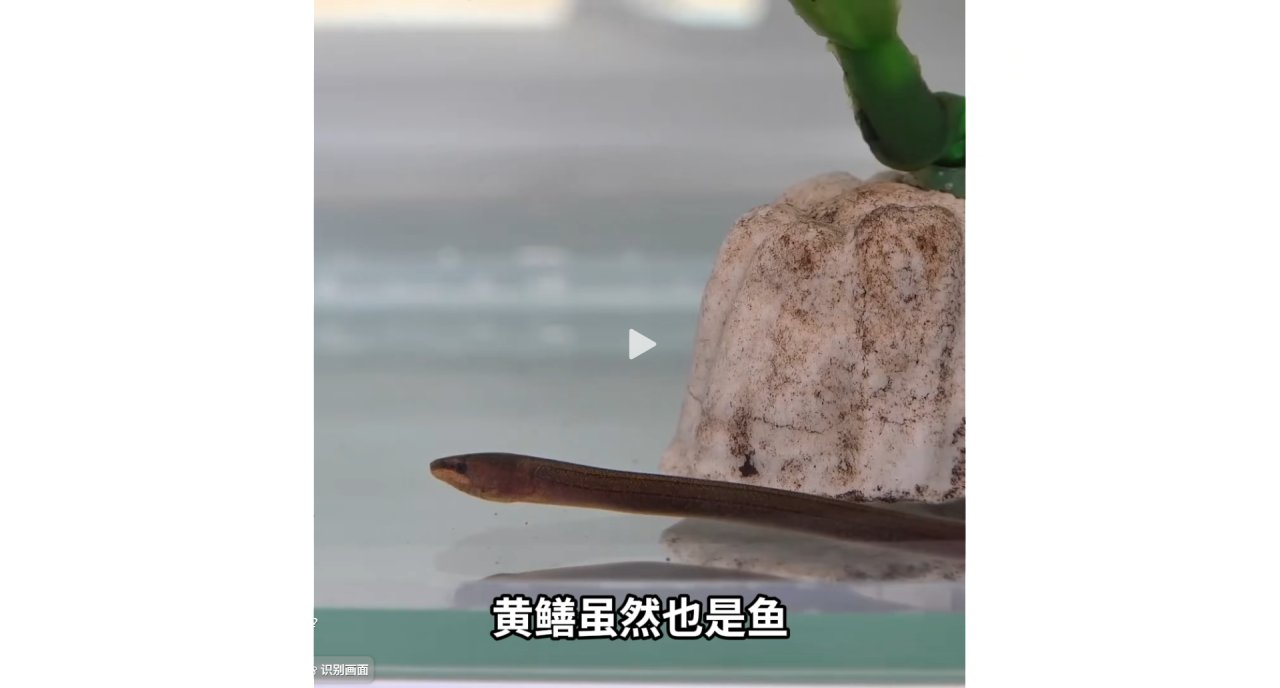
There’s a screenshot circulating that stops you mid-scroll. It shows a ricefield eel (*Monopterus albus*) lying on the smooth bottom of a clear tank, its brownish-yellow body stretched out like a thin, flexible rope. The background is a soft, blurred gray, making the animal look suspended in quiet space. A single green plant stem rises from a textured, beige decoration behind it, providing the only vertical break in the horizontal line of the fish.
The caption reads: “Episode 89: What did the little ricefield eel I caught last year turn into?” One year has passed. The eel hasn’t become a monster. It hasn’t vanished. It just lies there, calm, with one small black eye clearly visible against the pale substrate. There’s no struggle, no aggression. Just presence.
Slow growth, fast assumptions
Parents and hobbyists alike often expect nature to perform on our schedule. We think if we feed it, it grows big. If we wait a year, it should be impressive. But the comments section under that video tells a different story. “Wow, rice eels grow so slowly? They're only this...” one user writes. Another adds, “I kept one rice eel for three years, feeding it... still small.”
This gap between expectation and reality is where curiosity usually dies—or where it begins. Adults tend to judge an organism by its utility or its speed. Is it food? Is it growing fast enough to justify the effort? Kids, however, are often more interested in the state of being. Why is it lying flat? Why doesn’t it move when I tap the glass?
The questions don't follow logic
When a child looks at that same tank, they don’t start with “how long until dinner.” They start with confusion. “That’s damn well a snake!” someone else argues in the comments. Then another asks, “Do rice eels give birth to live young or lay eggs?” And right after, without waiting for an answer: “Why weren’t those two little catfish raised together?”
Real questioning is messy. It jumps from taxonomy to reproduction to social behavior in three seconds. It doesn’t care about the syllabus. It cares about what is actually on the screen. The kid sees a thin brown line and thinks *snake*. Then they see the eye and think *fish*. Then they wonder where the babies went. These aren’t mistakes. They’re the raw material of observation.
Seeing without touching
This is where Wwai comes in, not as a replacement for the real thing, but as a way to hold the question steady. On a phone screen, high-resolution digitized slides allow a child to zoom into the texture of the eel’s skin or the structure of a water droplet without breaking the surface tension. The AI tutor walks them through what they’re seeing. It doesn’t lecture. It follows the kid’s lead.
If the child asks, “Is it sleeping?”, the tutor might point out the lack of movement and suggest looking at the gill cover. If the child asks, “Why is it yellow?”, the app can show pigment cells in a simulated view. Sometimes, the tutor admits it doesn’t know, prompting the child to check the library again. The goal isn’t to finish the lesson quickly. It’s to keep the question alive long enough to find the next clue.
What it takes | What the kid gets ---|--- Patience with slow answers | Confidence in asking odd questions Time spent staring at a screen | A habit of checking details before concluding No fragile glassware | Freedom to zoom in on things that might hurt
Mud, memory, and missed connections
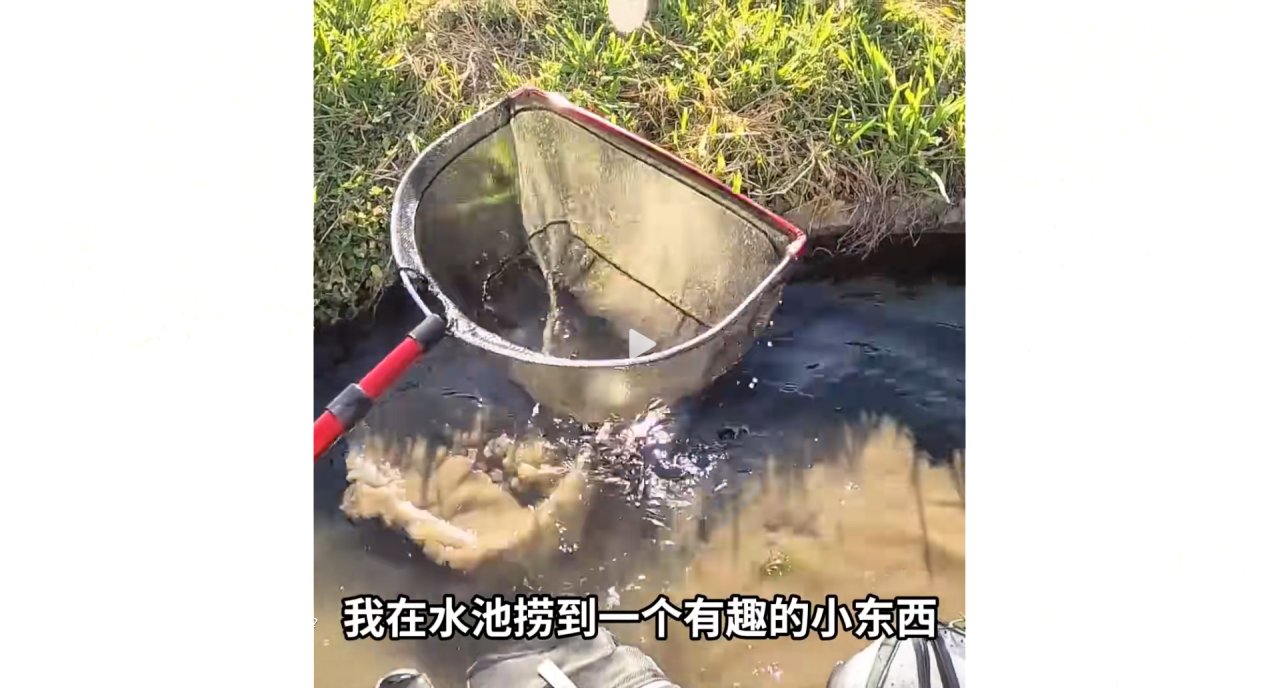
Some adults remember catching these animals in rural fields. “Growing up in rural areas, when...” one comment trails off, likely recalling the mud, the smell, the thrill of the catch. Others miss that connection entirely. “I thought they grew up eating mud,” says one confused viewer.
The distance between those memories and a suburban kitchen table is real. Not every family lives near a creek. Not every kid gets to pull an eel from the dirt. But science doesn’t require a muddy boot. It requires attention. When a child watches the eel lie still, they are learning that some things don’t change fast. That patience is part of observation. That a small, brown line on a white background is worth looking at twice.
The eel in the tank hasn’t grown much in a year. But the person watching it might have learned how to look closer.