The Silver Flash in a Palm and the Question That Followed
Published: November 18, 2026 author: Meka
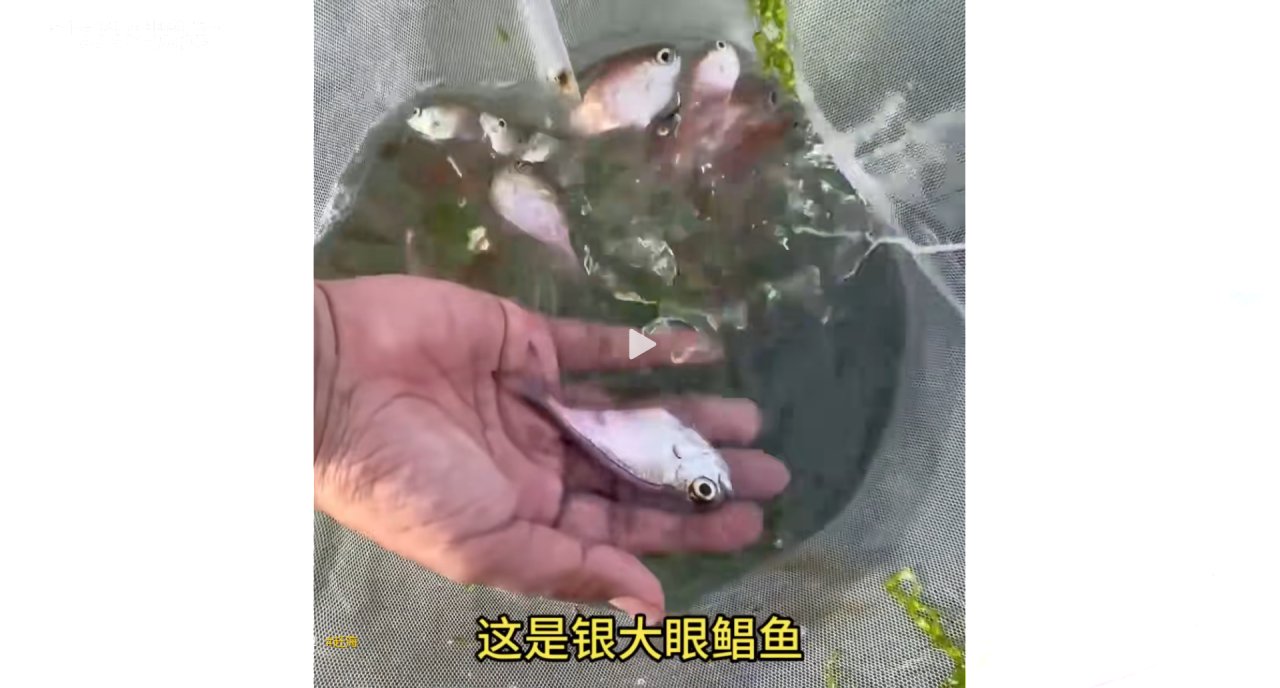
A hand, dark with sun and work, opens flat against the gray sky. In the center of the palm sits a small fish, its body compressed sideways like a coin, shimmering in a bright, metallic silver. But it’s the eye that stops you—a black orb, disproportionately large for such a tiny head, staring out with an intensity that feels almost human. Behind the hand, a red-rimmed net dips into cloudy water, holding more of these same creatures, their silvery flanks half-hidden by green strands of algae. The caption on the screen reads “This is a silver bigeye trevally,” but the moment isn’t about the name. It’s about the pause before the next question.
The kid watching this doesn’t ask what it tastes like. He asks why the eye is so big. He asks if he can see the scales up close. He asks where they live when the tide goes out. These aren’t questions a parent needs to answer from memory. They’re prompts waiting for a tool that lets the child look without needing a boat, a license, or a trip to the coast.
Why the Eye Looks Like That
In the video, the fish is held in daylight, yet its eye remains vast and black. This isn’t just aesthetic; it’s a mechanism for survival in dim, turbid waters. Big eyes gather more light, allowing the predator—or prey—to spot movement in low visibility. The naked eye sees a shiny fish. A microscope, even a digital one, reveals the texture of the scales and the structure of the eye itself. You don’t need to explain rod cells and cone cells to a seven-year-old. You just need to let them zoom in until the smooth surface becomes a landscape of ridges and gaps. When the kid sees the detail, the “why” answers itself through observation.
What Parents Actually Worry About
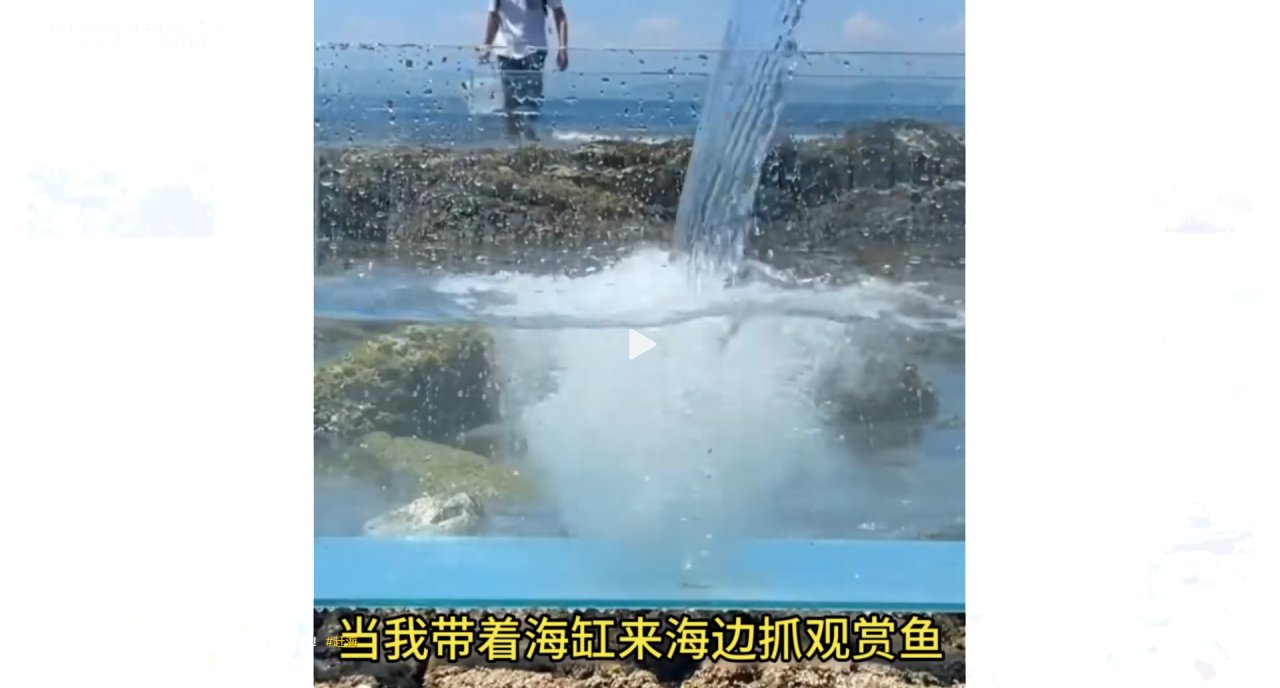
The comments section under that video is a mix of envy and caution. One thread screams, “Where are you picking them up? I’ll catch some...” Another warns, “Please don’t damage the coral reefs.” There’s a fear that curiosity leads to depletion, or that trying to replicate this at home means buying fragile glass slides and dangerous chemicals.
But here’s the distinction: the worry is about *taking* from nature, not *looking* at it. Using a simulation app removes the extraction entirely. No nets, no corals moved, no live specimens stressed. The hesitation parents feel—“Is this real science?” or “Will they just play with it?”—is answered by the interface. It’s not a game with points; it’s a lens with limits. If the kid wants to know if the fish has teeth, they have to navigate the slide library to find a specimen that shows it. The effort is cognitive, not physical.
Opening the Lens
Wwai sits on the phone, not as a toy, but as a bridge. The kid opens the app himself. He doesn’t need help logging in or navigating menus. He selects a digitized slide from the library—maybe a drop of pond water, maybe a slice of leaf—and the AI tutor appears. It doesn’t lecture. It asks, “What do you see moving?” When the kid points to a blur, the tutor zooms in, stabilizing the image, and says, “That looks like a paramecium. Watch how it spins.” Sometimes the kid asks something the tutor can’t answer immediately, and it admits it, suggesting a related slide instead. The interaction is messy, iterative, and driven by the child’s gaze, not a curriculum.
The Blind Box of the Backyard
One commenter called beachcombing “like opening a blind box.” That feeling of unpredictable discovery is hard to manufacture indoors. But you can simulate the surprise. Try this: take a leaf from your yard, wet it slightly, and place it under the app’s high-resolution mode. Or scrape a bit of dust from a bookshelf. The app renders the microscopic world with enough clarity to show fungi spores or mite legs.
It’s not the same as standing in the surf, holding a silver fish with huge eyes. But it’s safe. It’s immediate. And it keeps the question alive: *What else is there?* The kid checks the conclusion, swipes to the next slide, and the loop continues. The distance between the ocean and the living room shrinks, not because the app claims to replace the sea, but because it teaches the eye to look closer at what’s already there.