Fengqi Weiyue* (凤起微月, The Wind Rises at Midnight Moon) finally reached the platform on November 17 — filmed in 2024, shelved for two years — and within a day it was sitting fifth on the platform's micro-drama playback index. The premise sounds like standard transmigration fluff. The execution is not, because of one decision: **when the modern heroine realizes the second lead will destroy her, her first move is not to fight for the male lead's heart. It is to file for divorce, and then try to set her husband up with her rival.
The heroine argues like an engineer
Feng Weiyue is a space-research team leader whose experiment throws her, a colleague, and her supervisor into the northern dynasty of a costume world. She wakes up as the daughter of the Grand Tutor's house, in the bed of Prince Rong, already branded a lovesick fool. A lesser script would have her prove her innocence. This one has her do an actuarial calculation: the original owner's reputation is unrecoverable, the marriage is a liability, and the cheapest path to survival is exit — so she drafts the andi, proposes separation, and starts matchmaking her husband with the second lead as severance logistics.
That logic-forward voice is the show's engine and its joke. She doesn't beg, she doesn't cry; she weighs interests and moves. Watching a cold, guarded prince realize that his "crazy" wife is the only person in the palace playing strategy instead of sentiment is the arc that carries the first ten episodes. The genre calls this a chase plot, but it plays closer to an audit: every time he tests her, she answers with a spreadsheet, and his composure slips a little more.
Two years on a shelf, and it mostly shows in the good way
The two-year delay was the big question mark — shelf-worn productions usually arrive with dated grading and stiff blocking. The surprise is that the visual side holds: real sets instead of green-screen interiors, night scenes with actual light sources, and a horizontal format that gives fights and palace corridors room to breathe. The pacing is the cost. The first two episodes carry the world-building load — crossing, identity, the motive for divorce — and viewers conditioned to a hook every five seconds will feel the drag. Give it three episodes before judging.
The show also plants a proper mystery under the romance. A masked figure runs an intelligence operation called Xingzhao Pavilion; the figure's silhouette matches the heroine in the prince's memories; a throne-room scene in the trailers suggests masked assassins with their own agenda. Whether the script pays this off will decide whether the drama is a pretty romance with one good idea or a show worth arguing about — thirty-two episodes is enough rope for either.
The male lead is standard and knows it
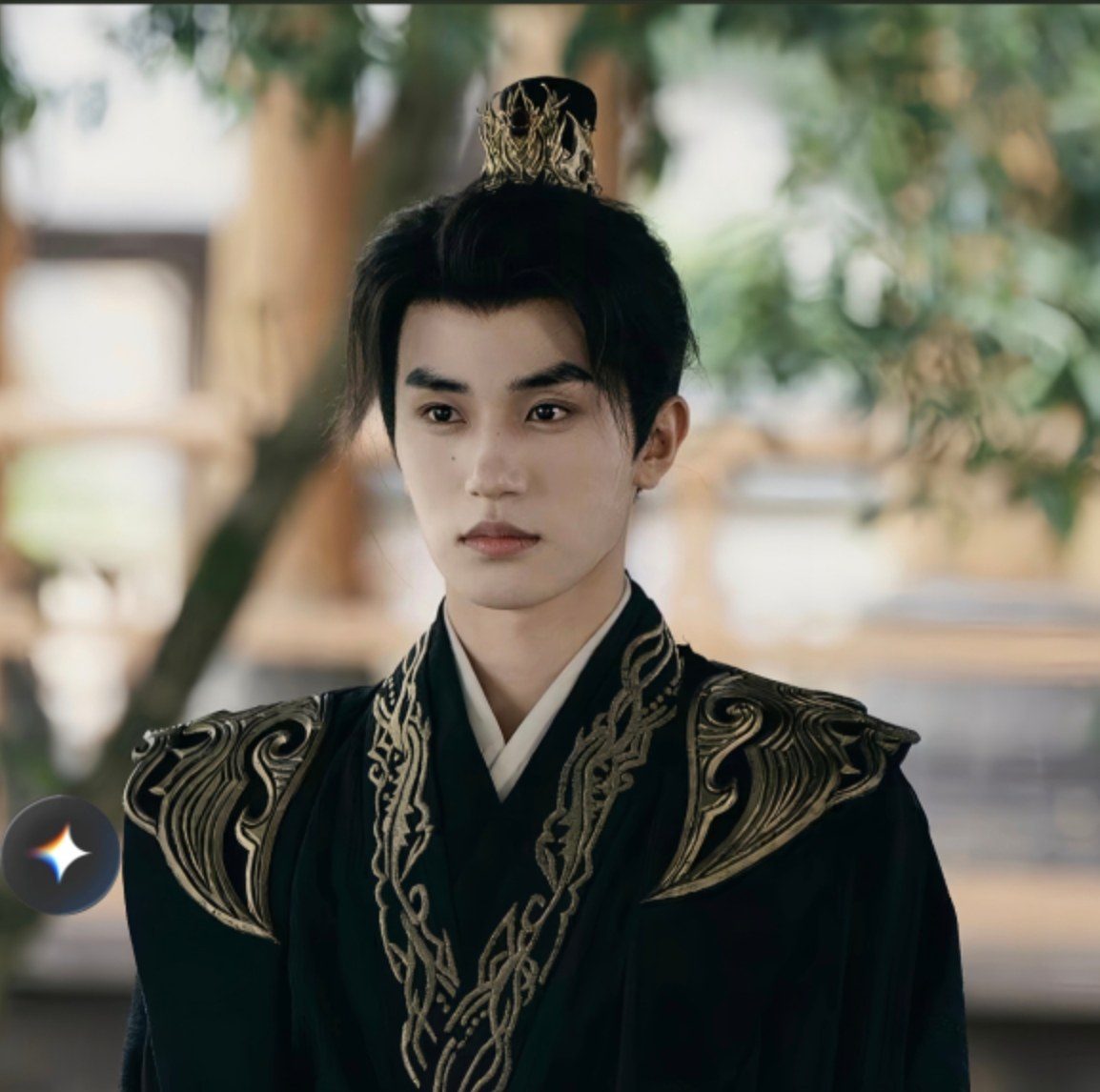
Prince Rong — cold, guarded, secretly soft — is the genre's most-worn mold, and the performance does not renovate it. What makes the pairing work is purely the contrast: a heroine who treats emotion as a variable to control against a hero whose entire arc is learning that being loved by this particular woman is worth losing control for. If that sentence sounds like your genre, you will get exactly that, executed cleanly, with a scene-stealing mid-series run where his jealousy of her *own plan* becomes the comedy engine.
One honest warning about tone: the promotion sells "power intrigue," and the palace politics in the early episodes are garnish. The main dish is the marriage. Go in for the couple and the heroine's brain; go in for court warfare and you will spend ten episodes waiting.
The matchmaking subplot deserves its own note, because it is the joke that keeps the marriage plot honest. Every scheme she runs to pair the prince with her rival backfires into evidence that he only has eyes for his wife, and the show mines the escalation without letting the heroine look foolish — her plans fail for external reasons, her analysis stays correct, and the comedy comes from the gap between her ledger and reality. It is a genuinely clever inversion of the jealousy plot the genre usually runs on vibes.
Verdict for the weekend
This is the best-fit pick of the current batch for viewers who are tired of heroines whose survival strategy is being adored. The divorce-first premise is genuinely funny and genuinely character-driven, the production looks better than its shelf history suggests, and the pending mystery gives it somewhere to go after the marriage plot resolves. Thirty-two episodes, two per day, finishing at month-end — the binge decision can wait, but the first six episodes are worth starting tonight just to watch a woman solve a palace with project management.
When you want a heroine who out-thinks the palace instead of out-crying it, open Reeleasy and browse — new arrivals land every day.